

How Subway's Meat Slicers Totally Backfired On The Brand
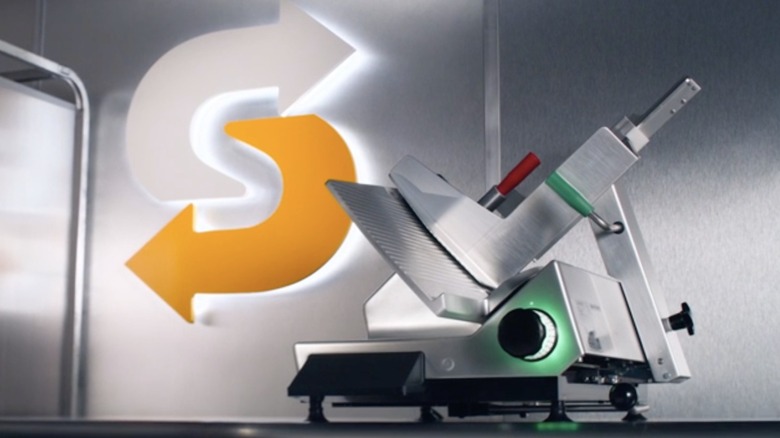
"Don't fix what isn't broken" — that's the age-old adage Subway really should have listened to before installing deli slicers in its stores. Instead, the sandwich chain opted to solve a non-problem by installing them in 20,000 Subway locations nationwide. The company believed that, by quietly rolling out freshly sliced meat across all of its U.S. stores, they'd help draw in more customers. But, not long after the meat slicers were first implemented in 2023, reports started coming out about the inefficiency of the machines, resulting in a completely indifferent customer experience that put more burden on its employees.
After implementing the machines, Subway employees reported that the meat slicers were hard to clean and took up space. The slicers disrupted the smooth workflow that employees were used to. The slicers only increased employees' overall work load, as they had to manually slice the meats — a task that took time, which the store owners inevitably had to pay for. Stores also have run into the problem of food waste, which inevitably happens when meat gets sliced in-store. One Redditor pointed out that Subway was just "pushing the work from the factories onto the employees."
Despite the high expectations, sandwich sales still haven't gone up. In fact, Subway's sales woes are now pushing the chain to focus on digital deals instead.
Subway is standing by its meat slicers, despite the disappointing results
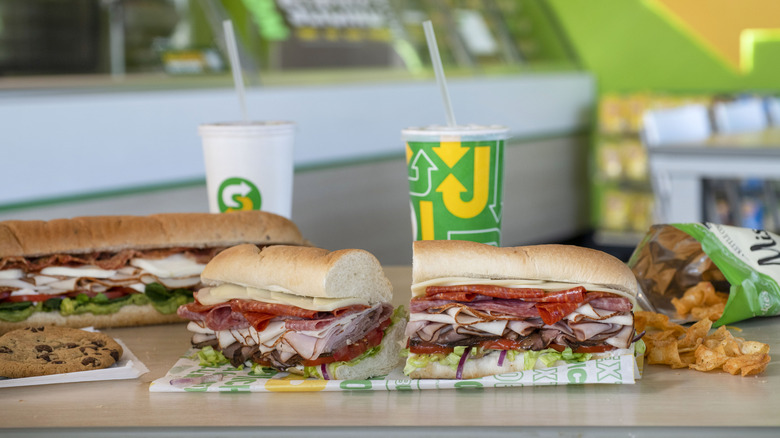
Subway invested a lot of time and money into the rollout of meat slicers. The overall cost was a hefty $80 million, and the project took two years to come together. Knowing that, it makes sense that Subway will likely stand by its decision for some time to come, despite the pickle that it puts the employees in. At the time of the rollout, Subway management emphasized how the meat slicers will lead to more profit and less expenditure in the long run. But another reason for the new equipment might be trying to keep up with competitors, most of which were already slicing the deli meat on-site.
As for the freshness, people don't seem all too concerned about where their meat is sliced. Plus, Subway has no general rule about when the meat should be sliced — some locations slice all the meats for the day every single morning, while others do it during evening prep two days in advance. Certain stores allegedly even slice the meat three to four days ahead of time, which most customers wouldn't really consider fresh. Deli meat goes bad more quickly than packaged meat, which places a heavier responsibility on the employees to pay attention to food safety and ensure the "freshly sliced" meat isn't sitting around for too long.