

What Happens When You Whip Crème Fraîche?
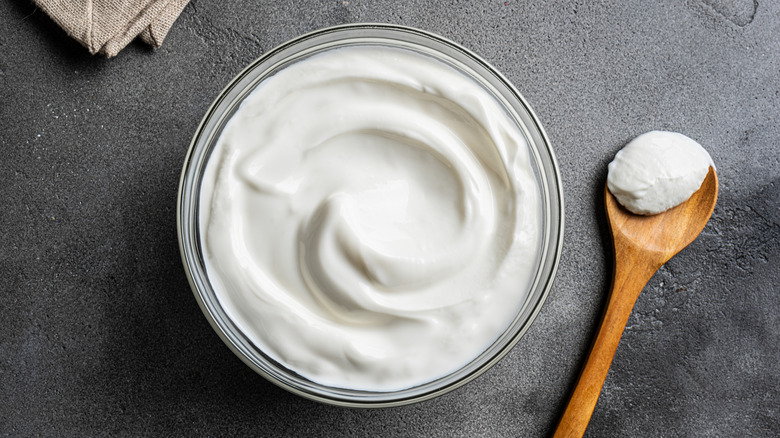
There's a little kitchen trick that looks like a magic act: You take something already silky and spoonable, whisk it briefly, and it becomes a cloud with staying power. At first glance, you might expect it to behave exactly like the familiar, feather-light whipped cream that melts away if left too long. The texture is different — a touch denser, a little tangier — and that difference is the clue that something useful (and pleasantly stubborn) is happening under the whisk.
When you learn what that starting ingredient is, the surprise makes sense: Crème fraîche, a cultured cream with higher fat and lower water content than sour cream, behaves differently when aerated. Whipping crème fraîche lightens it and incorporates air, but because it begins thicker and contains a different balance of fat, proteins, and acidity, the resulting foam is less ephemeral than straight whipped heavy cream. In practical terms, it keeps its shape longer and resists collapsing or weeping in the fridge, making it perfect for use on cakes, pies, and other desserts.
If you want a topping that looks freshly whipped hours after assembly, crème fraîche is a serious candidate. It won't become as pillowy-light as pure whipped cream, but that slightly denser body is probably why chefs sometimes turn to it for finishing desserts that need to travel, sit under lights, or withstand a room that isn't perfectly cool. For a lighter mouthfeel without sacrificing resilience, you can also fold whipped crème fraîche into whipped cream, but on its own, it's already a naturally stabilizing option.
Why it holds up (and how to use it)
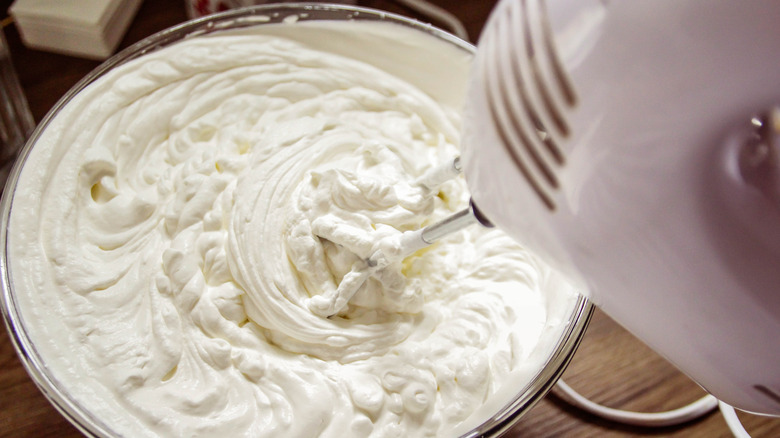
The science behind the stability is straightforward: Whipped foams are held together by a network of fat globules and proteins that trap air. If that network is weak or there's too much free water, the foam collapses and releases liquid. Crème fraîche starts with a higher fat ratio and has been cultured, which changes the protein and water interactions compared with plain heavy cream. Those differences help maintain the foam's structure longer (making it great as a dip at the dinner table). In short, it's inherently more forgiving.
Culinary practice supports the science. Many cooks recommend adding a spoonful or two of crème fraîche (or a little sour cream) to whipped cream to stabilize it, or using crème fraîche as the whipped component when you need longevity. It's also prized because it tolerates warmth better than straight cream: Crème fraîche can be used in hot sauces without curdling, and that heat tolerance echoes its robustness as a whipped topping. And the best part is you can make your own homemade version of crème fraîche.
Crème fraîche's tang and texture make it both a flavor and functional upgrade to ordinary whipped cream. Use it when you want a topping that looks and tastes fresh well after plating — it's a small switch that keeps desserts presentable and delicious when time or temperature aren't perfectly on your side.