

Chefs Agree That Chicken Wings Are The Best Part For Making Stock — Here Are Their Tips
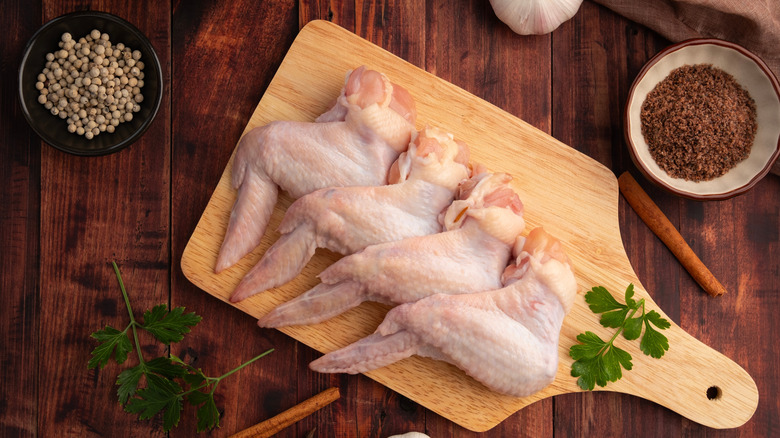
Chicken wings aren't just for game day anymore. They're a secret weapon for building rich, flavorful stock. Thanks to their perfect mixture of meat, bone, and collagen, wings bring everything you need to a pot of chicken stock (which is not the same as chicken broth). We asked several chefs what they thought about using chicken wings to make chicken stock, and we learned that most chefs are on board with it. However, some prefer other parts of the chicken, and others just want to add a few other chicken parts to balance out their stock and give it the flavor they are aiming for.
Derek Piva, Executive Chef at The Restaurant at Tu Tu' Tun, told Tasting Table, "Chicken wings are excellent — full of cartilage and connective tissue for gelatin, plus enough meat for real flavor," he explained. "I also like using backs and feet for maximum body. The goal is to balance bony parts with some meat to avoid a stock that's too thin or overly gelatinous without flavor."
He's not alone in that opinion either, and Chef Lexi Stahr from Lucky Charlie took it a step further when she admitted, "My friends will make fun of me if we get happy hour wings because I will literally bring a container for the bones and make sure everyone contributes." She also agreed on chicken feet and backs for her chicken stock preferences and added chicken necks, saying, "Chicken neck is so delicious and underrated."
What chefs add to chicken wings to make good broth
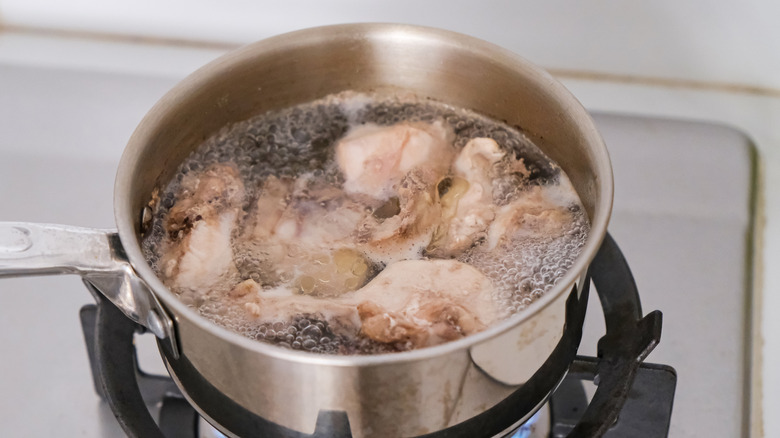
Using chicken wings to make chicken broth is generally a good move, but most of the chefs who weighed in on this method made it clear that they use other parts of the chicken. Chef Grayson Altenburg, from Chef de Cuisine, also enjoys using chicken feet in his chicken stock. When asked about chicken wings, he said, "Chicken wings make a great broth, especially when roasted for a darker broth." He continued, "The con is that they tend to be very fatty and require a lot of skimming to separate out the fat after the cooking process. For a better broth made with chicken wings, I would include the chicken feet; they have a ton of collagen that adds an amazing viscous texture to the finished product."
Ji Hye Kim, the chef and owner of Miss Kim and Little Kim, agrees. She said, "Chicken wings are great for making stock with lots of collagen. And it's convenient–easy to find in stores and makes a quick and delicious chicken stock. If I'm looking for thick, rich chicken stock, then I'd go for chicken feet!"
Emir Dupeyron, co-owner of Dolores, said chicken wings wouldn't be his first choice. Instead, he suggested, "Think more chicken feet and neck bones and gizzards. Those will add a lot of flavor to the stock."
When to use cooked chicken wings and when to use raw in chicken stock
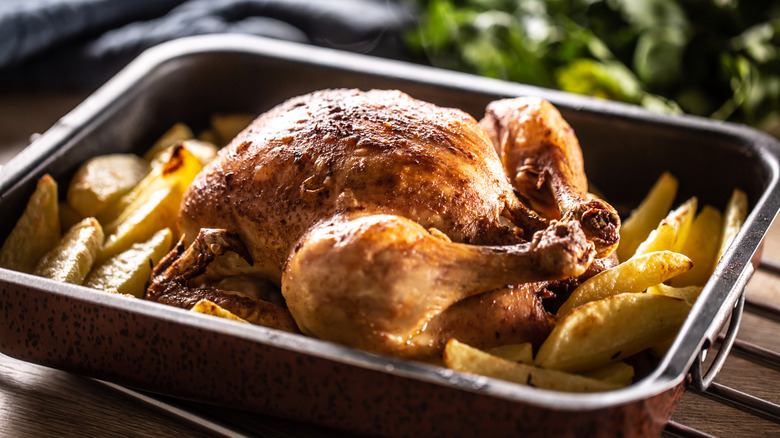
Each chef was also asked whether they use raw chicken or cook it to make chicken broth. Their answers were pretty consistent, as it depends on what kind of stock you are trying to make, and it's worth noting that broth from a roasted chicken makes for the perfect chicken noodle soup base.
Chef Piva explained, "Raw bones give a cleaner, lighter stock. Cooked bones (from a roasted or rotisserie chicken) give deeper, more caramelized notes. I often combine both for complexity. Including a bit of meat on the bones always improves richness and umami."
Chef Kim said, "I prefer to start my stock with raw chicken because of its clean flavor." Then, she admitted, "I've used the carcass of Costco roasted chicken many times. When I do make chicken stock from the carcass of roasted chicken, I do not add extra meat for the stock."
Chef Stahr is also in the camp that uses both raw and roasted in the same broth. She explained, "My favorite stock is roasted chicken necks, and I'll throw in some raw wings. Perfect every time."
It sounds like there really is no right or wrong answer to whether we should use chicken wings to make broth, and if the chicken should be raw or cooked. Ultimately, it depends on the end product that you're looking to create.