

Telltale Signs Your Sunflower Seeds Have Gone Bad
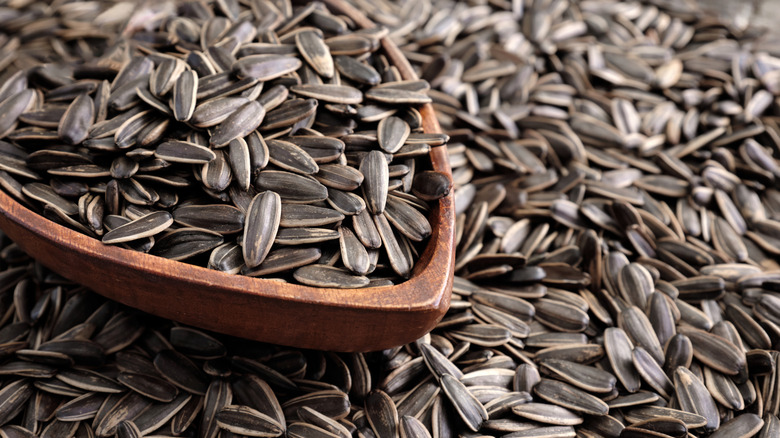
Sunflower seeds may look hardy, but like all nuts and seeds, they're rich in oils that eventually go rancid. When those oils break down, the signs are hard to miss. The most obvious clue is flavor, as you'll notice bitter, sour, or sharp-tasting seeds instead of the pleasantly nutty ones, meaning the oils have oxidized. Texture can also shift, and what should feel firm and crunchy may seem soft, chewy, or unusually dry. Sometimes the change is immediate, as soon as you bite in, while other times it creeps up as the rancid bouquet opens, a miasma of a lingering aftertaste.
Smell offers another warning sign. Fresh sunflower seeds are a great way to add protein, and have a mild, nutty aroma, while rancid ones smell off, paint-like, or reminiscent of putty. Visually, discolored kernels or seeds clumped together with a greasy film are additional indicators. And if you notice mold, off-white fuzz, or an acrid odor, it's best to discard the entire batch immediately.
Knowing these cues matters because rancid oils aren't only gross-tasting, but they also lose their nutritional value and may irritate the digestive system. A handful of off-tasting seeds won't usually make you sick, but if you can't digest them, they're not providing the protein, vitamin E, and healthy fats that make them worth eating in the first place.
How to store sunflower seeds for longevity
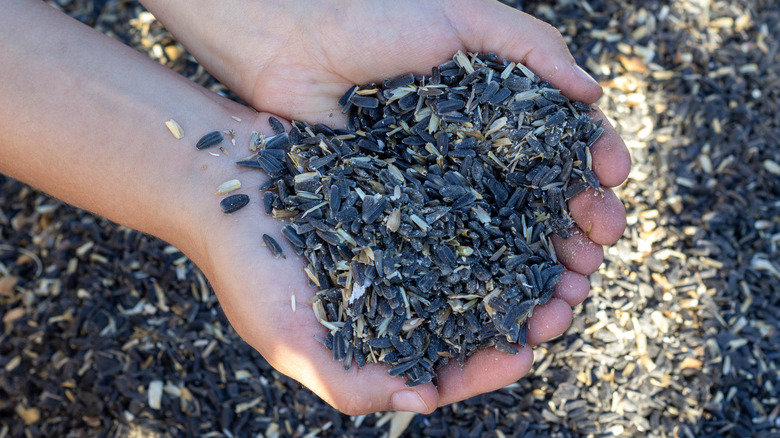
Sunflower seeds have been eaten for centuries across the Americas, where Indigenous communities roasted and ground them as a staple Native American food. Modern eaters still value them as portable protein, but convenience comes with the need for vigilance, especially since commercial packaging often leaves big bags open for weeks at a time. The reason sunflower seeds spoil is due to their composition. Packed with healthy, polyunsaturated fats, they're more delicate than they look. In the shell, they can last a pretty long time. But once they're de-shelled, exposure to oxygen causes those fats to oxidize, producing the sour, bitter notes we recognize as rancidity. Warm temperatures and direct sunlight accelerate the process, which is why seeds left in a clear jar on a sunny shelf won't stay fresh for long.
The best way to extend freshness is simple. Store sunflower seeds in an airtight container in a cool, dark place, or better yet, refrigerate or freeze them. Cold storage slows oxidation dramatically, preserving flavor and nutrients for months. If you buy in bulk, dividing seeds into smaller sealed bags prevents repeated exposure to air and humidity. And once you've secured a fresh batch, there are plenty of ways to use them besides trail mix. Sprinkle toasted sunflower seeds over salads, stir them into yogurt, or blend them into sunflower seed butter as a nut-free spread. Used wisely, they bring crunch, healthy fats, proteins, and minerals, so long as you spot the telltale signs of spoilage before they sneak into your snack.