

8 Absolute Best Hosting Tips We've Learned From Ina Garten

Ina Garten has built her beloved reputation on making entertaining feel effortless, and her hosting advice is as timeless as her signature chambray shirt. Whether she's planning a casual brunch or an intricate dinner party, the Barefoot Contessa has a knack for taking the stress out of hosting while keeping every detail in mind. Over the years, she's shared countless tips (both big and small) that make gatherings look and feel more put together, personal, and, most importantly, enjoyable.
One of the main reasons her advice is always so spot on is her ability to make every guest feel welcome, while still keeping things surprisingly simple behind the scenes. Whether it's the way she sets a table (we'll get into that later), preps the menu, or sets the tone for the gathering, there's a method to the magic that makes even the most ambitious entertaining a bit more achievable. Ahead, we'll spill her absolute best hosting tips that'll turn your next event into one to remember.
Prep simple, no-cook hors d'oeuvres ahead of time
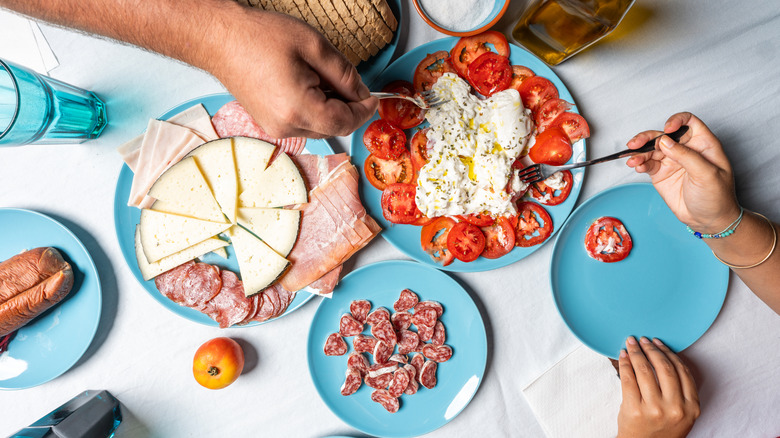
Garten keeps the stress of entertaining to a minimum by prepping no-cook hors d'oeuvres ahead of time, so she can actually enjoy her own party. In a YouTube Short, she explains that when she's hosting friends, she'd rather not be stuck making fussy appetizers. To avoid that, she opts for simple, flavorful bites that pair well with drinks and don't require extra time in the kitchen.
Some of her go-tos are so surprisingly simple, they might surprise you. When it comes to light snacks, she opts for store-bought potato chips. To make them feel more elevated, she likes to present them in a nice bowl. She also loves cashews (which she adds a little sea salt to) as well sa heirloom tomatoes for a pop of color. The trick is picking things that don't need cooking but look thoughtful and fun when you put them out.
The real secret? Presentation and picking things right. As Garten says, "Choose delicious things you can serve as-is, present them in really pretty silver bowls, and everybody is gonna have a really good time, including you."
Do a buffet-style meal so half-eaten dishes of food aren't on the table
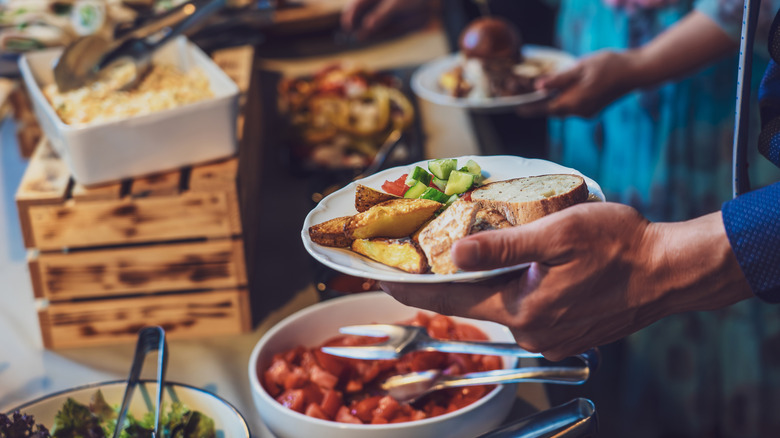
Believe it or not, Garten swears by buffet-style meals when it comes to keeping dinner parties and other gatherings stress-free. "You can do a buffet, which I prefer in general, so you don't have half-eaten dishes of things on the table," she says in a YouTube Short. This will make the table look cleaner, even if the serving station is a little messy. Plus, guests can serve themselves exactly what they want and how much they want, which means you just might have more leftovers after.
However, even though it's self-serve, presentation still matters. As Garten notes, she loves white dishes and simple plates because they let the colors and textures of the food shine, making even the most everyday dishes look more exciting. We'd also suggest laying out the spread in a nice way, perhaps with rows of bowls and platters with little labels if needed, so it makes it easy for guests and keeps the buffet looking thoughtful instead of thrown together.
What's more, buffets actually make the party more fun for everyone, including the host. You're not tied down to passing plates or constantly refilling half-empty dishes, which frees you up to chat, sip a drink, and enjoy the food. It also gives off a more relaxed vibe, where people can take their time, go back for seconds, and try a little bit of everything without feeling rushed.
When making a dessert platter, group items by colors and flavors to make it interesting
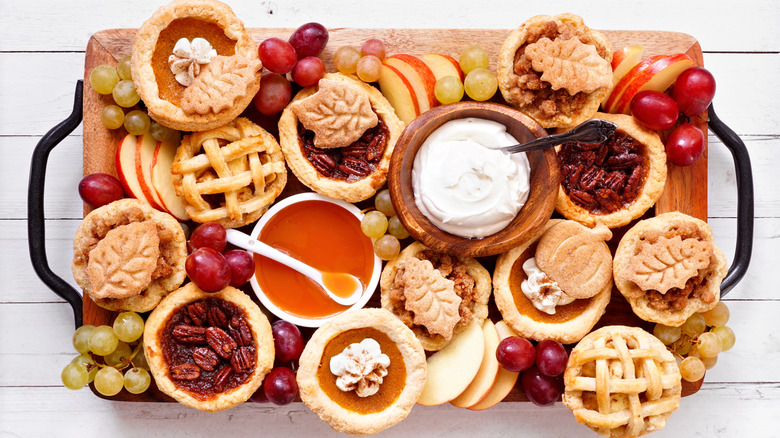
If you're cooking for a group (no matter how big), the last thing you want to do is prepare — and worry about — the dessert. To avoid this, Garten explains during a Today show segment that she focuses on how the desserts are presented rather than how they're made. More often than not, colorful, flavor-packed platters that look fun and thoughtful often require little effort. It's more about how everything comes together on the plate than how complicated it is to make.
One of her favorite tricks? Put bright fruit in the middle. Pile on berries, citrus slices, or any colorful fruit you have on hand. Then, layer cookies, lemon loaves, macaroons, and other little treats around it. The mix of colors, textures, and flavors keeps the platter interesting, and guests can graze on whatever catches their eye.
If you cater food, put it in your own dish
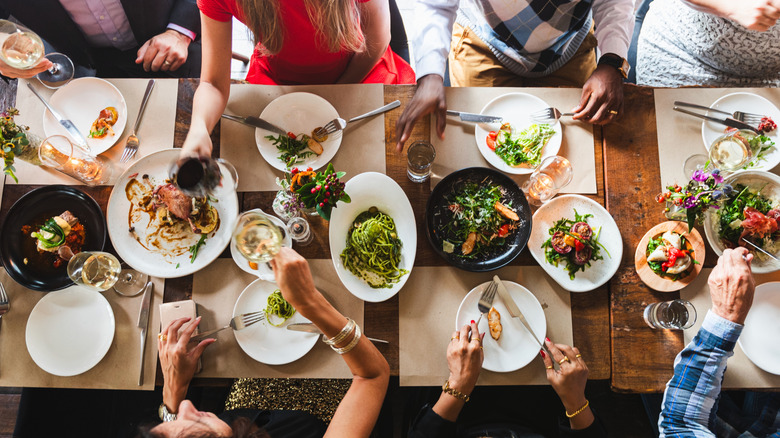
One of Garten's simplest tricks has nothing to do with cooking; it's actually all about presentation. If you order out, she says in this Today Show clip, "Put it in your own dish, so you're not serving it in some carton." It's such a small change, but it can make the whole meal look more polished, even if you didn't spend a second over the stove.
The beauty of this tip is that it works with almost anything — pasta from your favorite Italian spot, sushi rolls from the place down the street, even a store-bought salad. Just transfer it to a pretty platter, bowl, or baking dish, and suddenly it looks like part of a thoughtful spread instead of a takeout night. It also creates a cohesive look on the table, so guests aren't staring at a mix of branded containers and plastic lids.
This is classic Garten: making guests feel special without overcomplicating things. Presentation goes a long way, and swapping a carton for a ceramic dish shows that care went into the meal, even if the cooking came from somewhere else.
Base your menu on your guests
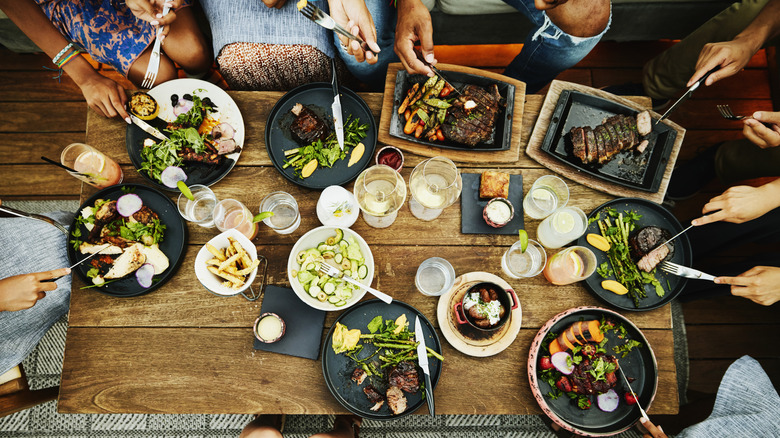
For Garten, the guest list comes before the grocery list. She always starts by thinking about who's coming over and what they actually like to eat. A quick check-in about preferences (whether someone's vegetarian, doesn't eat seafood, or just really loves a certain dish) helps her craft the menu so there's something for everyone.
Even with that personal touch, Garten continues to keep things simple. She'll usually make just a couple of the dishes herself and buy or assemble the rest. This could be along the lines of a roast chicken with a store-bought dessert, or a homemade salad with an artisanal cheese board.
For the most part, a great menu isn't about overcomplicating flavors or trying to impress. It's about balance. By pairing homemade staples with store-bought or take-out additions, you can make a spread that feels thoughtful and totally doable.
Try Ina's four-dish strategy
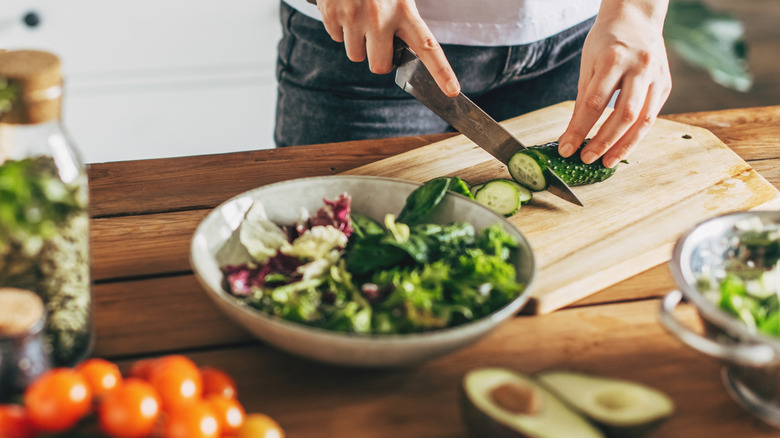
Ina Garten doesn't just think about what's on the menu; she thinks about how each dish will actually get made. Instead of loading herself up with three things that all need to come out of the oven at the same time, she mixes it up, telling Food & Wine, that her dinner party menus have a science behind them.
"I always pick something I can make in advance, something you can put in the oven and forget about it, something that goes on top of the stove, and something that's served at room temperature, so four things don't have to be hot at the same time." Translation? No more dealing with timers (and full chaos) while guests are over.
This way of mixing and matching means she's never scrambling for counter space or juggling too many timers when guests arrive. If a salad is already assembled in the fridge, dessert is pre-plated, and the oven is handling the main course, she can focus on hosting instead of feeling like a short-order cook. As it relates to your dinner parties, try to aim for dishes that are on their own timelines, giving you time to actually step away from the kitchen. Guests still get a table full of beautiful, varied dishes. Plus, it also allows the potential of timing different courses to match the flow of the evening. It's proof that a little planning goes a long way
Stick with what you know
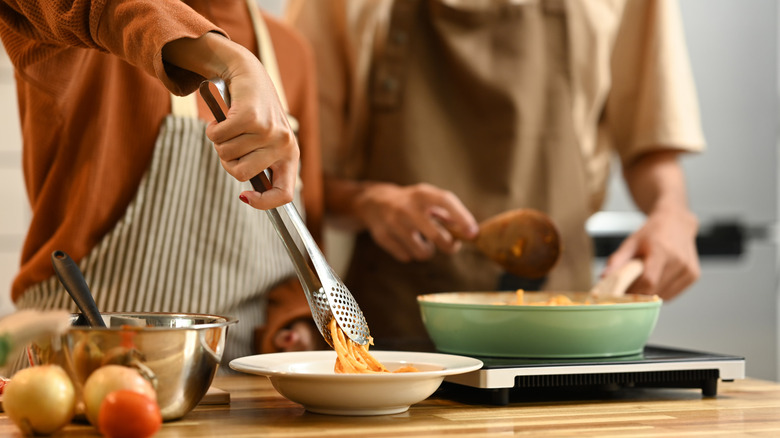
One of Garten's most important dinner party rules? Stick with what you know. "Nobody should ever make a new recipe for guests," she told Esquire in its "What I've Learned" series. For her, hosting isn't the time to experiment. It's the time to bring out tried-and-true dishes that everyone loves.
If you're making something you've cooked a dozen times, you're not worried about whether it's over-seasoned or undercooked. Rather, you're relaxed, you're enjoying the process, and you're free to focus on the people you've invited. Just make something easy that you've made before, and your work here is done. Pro cooks know this well, and it's one of the reasons why Ina Garten tests her recipes tens, sometimes dozens, of times before they make it to print. Think of your dinner party as the publication date for something you've also given significant practice time to. The result will be a dinner party that's far more relaxed than it might be, were you experimenting.
Choose a color theme for the table
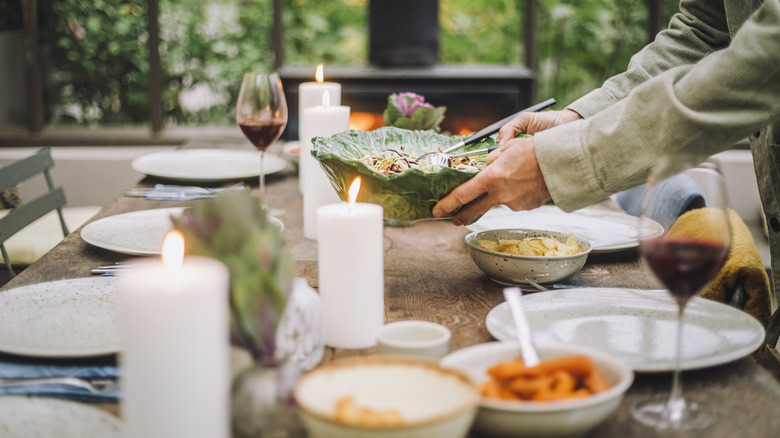
A gorgeous table doesn't have to look like it came straight from a matching set. In fact, Ina Garten shares on her website that the fun is in mixing things up. Her trick is to start with a simple color palette and let that guide the rest. This approach takes the pressure off finding identical sets and lets you use what you already have. Mixing colors, textures, and styles makes the table feel personal and dynamic, while the palette keeps it pulled together.
Color palettes can be implemented in many ways. Perhaps you start with something simple, such as the tablecloth and linens. From their, your cutlery, glasses, serving utensils, and dinnerware may act as complementary accents or contrasting pieces in your overall colorway. If all you have on hand of these aspects are neutral colors, then other avenues for implementing your theme may be to include fresh flower bouquets that match the intention. If it's a fall theme you're after, lining the table centers with hardy winter squash can add bright but seasonally effected tones — browns, yellows, and oranges — that build on the neutral profile. Candles, their holders, and flower vases are also just a few ways to bring the aesthetics in line with the overall motif.