

Why Your Recipe Wants A Cold Whisk (And What It Really Means)
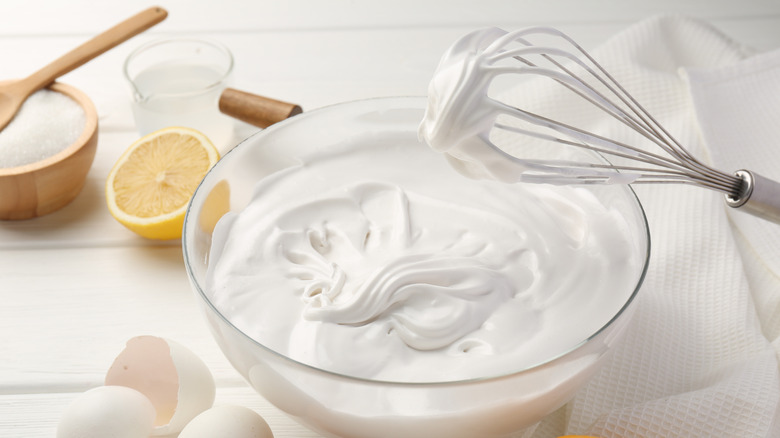
A sumptuous dollop of vanilla-scented whipped cream can take a basic bowl of strawberries into dessert territory. However, to guarantee that your luxurious topping is on point when it comes to texture and body, you should whip it up with a cold whisk as your recipe advises. All you need to do is pop it in the freezer for 15 minutes (along with the bowl) so that the fat molecules inside the cream stay cold, prepping them to hold as much air as possible.
Many recipes that feature cream, such as Chantilly cream, chocolate mousse, and trifles call for a chilled whisk and bowl. You should chill your kitchen tools when making whipped cream and other cream-based desserts because the cold temperature keeps the fat inside the cream solidified. When whipped with a cold whisk, these solidified globules of fat are able to trap and hold the air more effectively, resulting in an aerated mass that's structured and stable. The finished whipped cream or mousse will have a greater volume and richer body too. If you use room temperature cream and utensils that haven't been chilled, your cream simply won't be as voluminous and light.
More reasons to whip cream with a chilled whisk
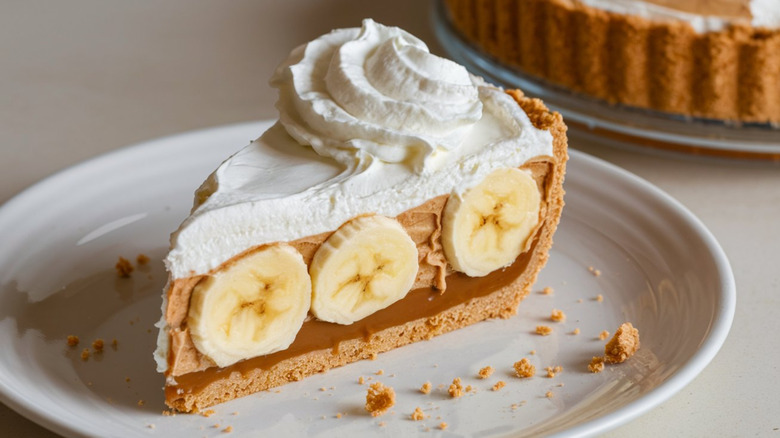
If you're whipping a large quantity of cream in a stand mixer with a whisk attachment, simply chill the bowl and whisk in the freezer in the same way as you'd chill a hand whisk. However, a large metal bowl (that will retain cold temperatures for longer) is equally as good. Indeed, the best method for whipping cream is to whisk it by hand in a large, chilled bowl. This reduces the risk of you accidentally overbeating your cream, which can make it turn grainy.
The reason that overbeaten cream falls flat has to do with the cream's fat content. Whipping cream has a milkfat content of between 30-36%, making it perfect for creating soft, silky, and airy peaks to dollop onto a tres leche cake or sandwich inside a strawberry shortcake. However, if you're after a creamy topping for a pie that is super firm and structured, opt for heavy cream, which has more than 36% milkfat, as it can trap in more air and stay voluminous for longer.
Refrigerating your cream-topped desserts will prevent the fat inside from warming up. If you keep them out on the counter, the cream will eventually deflate and lose its fluffiness. To prevent this from occurring, you can stabilize your cream by whisking in a dash of cornstarch and sugar.