

The One Type Of Water You Should Avoid For Brewing Green Tea

Is it ... seawater? Sewer water?! No, the one type of water you should never use to make green tea is actually distilled water, the seemingly harmless kind you find in gallon jugs at the grocery store. Distilled water is made by boiling water into steam, then condensing it back into liquid. This process strips out virtually all dissolved minerals, such as calcium, magnesium, and bicarbonates. While that makes the water chemically pure, it also makes it taste flat. Those minerals help extract and balance the compounds in tea, giving it body, sweetness, and depth.
When you brew green tea with distilled water, the result can taste dull, thin, or even slightly bitter, since the lack of minerals changes how the tea's amino acids, polyphenols, and caffeine interact. The grassy sweetness you expect may vanish, replaced by something lifeless. Minerals in water bind to certain compounds in tea, softening astringency and highlighting sweetness. Without them, you can end up over-extracting bitter tannins.
This is why high-end tea shops and serious home brewers pay close attention to water chemistry, often aiming for a balance similar to natural spring water. For a better cup, start with fresh, cold water from a clean tap, a good filter, or a bottle of natural spring water. The slight mineral content will make your tea taste fuller and more balanced, especially if you're trying one of these 12 types of Japanese tea.
When water chemistry makes (or breaks) your tea
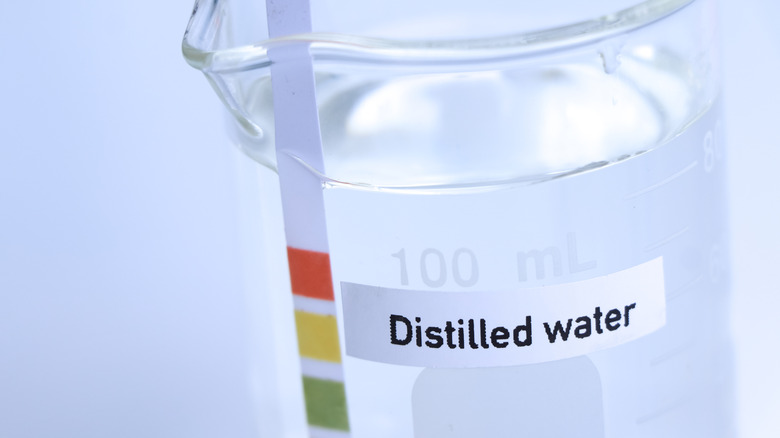
Since water makes up more than 99% of your green tea cup, the slightest change in its composition can make a noticeable difference in flavor. The best brewing water has moderate mineral content; enough to support extraction and mouthfeel, but not so much that it overwhelms the tea's own character.
Filtered tap water is a great choice for most, especially if it removes chlorine or other chemical flavors but leaves calcium and magnesium intact. Bottled spring water can also be excellent, as it naturally contains a balanced mineral profile. Avoid extremes: Distilled water is too stripped down, and heavily mineralized well water can taste chalky or metallic, both of which can interfere with the delicate flavors of green tea.
Tea traditions in Japan and China have long emphasized the quality of water as much as the quality of the leaves. In some cases, tea masters traveled to specific mountain springs for brewing, a practice that exemplifies their understanding that certain waters coax out the most aromatic and balanced flavors. While you don't have to source water from a sacred well, taking a moment to choose water with some mineral presence will give you a better cup every time. Skip the distilled, keep the minerals, and let the green tea leaves do what they do best: unfurl into something nuanced and alive.