

One Simple Trick That Makes Homemade Seafood Stock Taste Richer
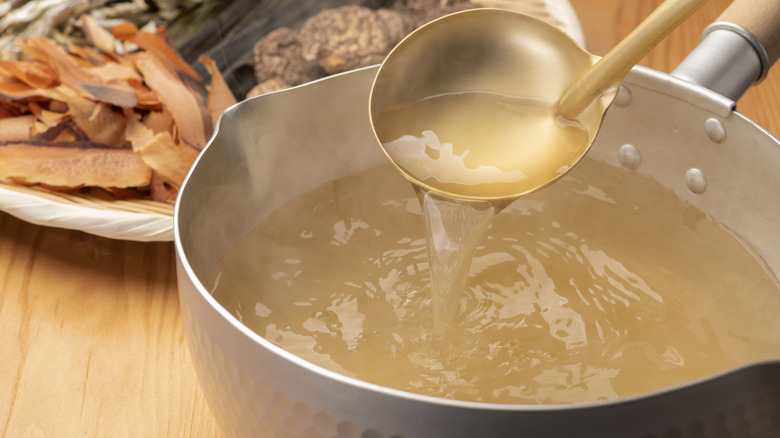
The secret to deeply flavored seafood stock starts before the pot even hits the stove. We're talking about roasting your shells. Whether you have shrimp shells, lobster shells, or crab bodies, a short trip in the oven transforms them from pale and briny to golden and fragrant. The dry heat caramelizes natural sugars in the shells, intensifying their sweetness while coaxing out a rich, toasty depth you just cannot get from boiling them raw.
To do it, spread your shells on a rimmed baking sheet and drizzle them lightly with oil. Roast at 400 degrees Fahrenheit for 10 to 15 minutes, stirring once or twice, until they turn a warm reddish-brown and smell faintly nutty. You don not want them to get charred. Just cook them enough color to deepen their flavor. Once roasted, scrape every bit — shells, juices, and any browned bits stuck to the pan — straight into your stockpot. Add your aromatics, water, and simmer gently. The result is a broth that's not just "seafood-y" but also luxuriously complex, with a layered sweetness that plays beautifully in chowders, risottos, and bisques.
Why roasting makes a difference
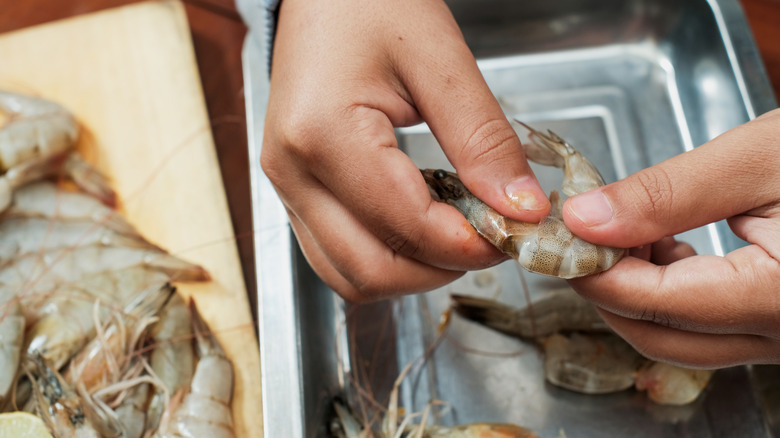
At its core, roasting shells is all about the Maillard reaction — the chemical process where proteins and sugars brown under heat, producing hundreds of aromatic flavor compounds. While seafood shells do not have as much protein as meat, they still contain enough to develop those deep, savory notes when roasted. The oven also helps drive off excess moisture, concentrating their natural flavor before they even hit the simmering stage.
Plus, roasting releases the shell's subtle oils, which lend a rounder mouthfeel to your finished stock. Instead of a light, almost tea-like broth, you will get something richer, silkier, and more aromatic. This technique works for both delicate stocks (like shrimp or scallop) and heartier ones (like lobster or crab). Think of it like toasting spices before grinding — you are simply waking up dormant flavors and giving them more dimension. Stop throwing away your shrimp shells and save them to make a delicious, deep-flavored stock: You'll get a flavor payoff and the satisfaction of repurposing kitchen scraps.