

Here's What Makes Sweet Tea Different From Classic Iced Tea (It's Not Just The Sugar)
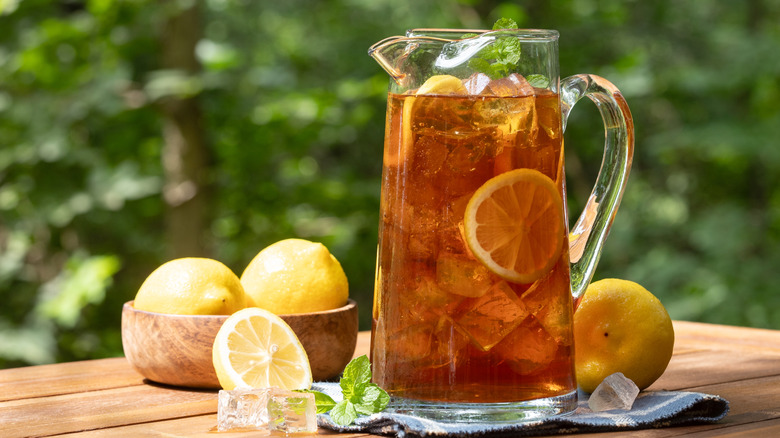
As a born and raised Southerner, I know a thing or two about iced tea — notably that a glass of classic iced tea is definitely not the same as sweet tea. That's true regardless of whether both are sugared up, served with lots of ice in a tall glass, and accompanied by a very long spoon for stirring (yes, there's a specific "tea spoon" for this, and it has nothing to do with a measuring teaspoon).
There's an art to making genuine Southern-style tea, but first it's important to understand the core difference between sweet tea and traditional iced tea. Both sweet tea and traditional iced tea are iced and served cold in any season, omnipresent on most lunch and dinner tables throughout the Southeastern United States, whether at home, in small cafes, or elegant dining establishments.
For folks who love their iced tea sweetened, the pervasive consensus is that the specifically named "sweet tea" is in a category all its own. Sweet tea is the gold standard, and here's the defining factor: Southern‑style sweet tea is not merely iced tea with sugar dumped in afterward. The sugar instead gets added while the tea is still warm, giving it a smooth, integrated sweetness. Waiting until after the liquid is cold to incorporate sugar just can't replicate this effect. The process affects everything from the tea's sweetness level to its bold flavor notes and velvety mouthfeel.
Here's a deeper look at how the sweet-tea magic occurs and why some people still sweeten iced tea after it has cooled.
Sweet by heat: How Southern sweet tea evolves

In Southern tradition, sweet tea comes to life by brewing double‑strength black tea, then stirring in a generous amount of sugar while it is still hot or slightly warm. Some tea-makers remove the pot of tea from the stove before adding sugar, while others insist on letting the sugar bubble, brew, and steep the whole time, right alongside the tea leaves or bags. Regardless, the warmth of the tea makes it easier to stir the sweetener.
Per the laws of chemistry, sugar dissolves more readily in hot water because increased temperature levels boost molecular motion, which in turn helps break apart the sugar crystals. Unlike what occurs when sweetening cold tea, that extra kinetic energy eliminates the grittiness of granulated sugar, meaning more sugar is retained in sweet tea, rather than settling at the bottom of the pitcher.
There's no exact measurement for the sugar, but roughly 1 cup per gallon of brewed tea allows the sugar to fully dissolve, leaving a deep tea flavor and a velvety mouthfeel. Many people advocate dividing the water into two equal portions, initially brewing just half a gallon (8 cups) of water with the tea bags or loose leaves, which creates a super-concentrated base. When reaching the desired strength, stir in the sugar until well-blended, remove the tea bags, transfer to a large pitcher, and add the remaining 8 cups of water.
There you have it: Southern-style sweet tea, ready for icing and sipping.
Sweetened the cold-tea way
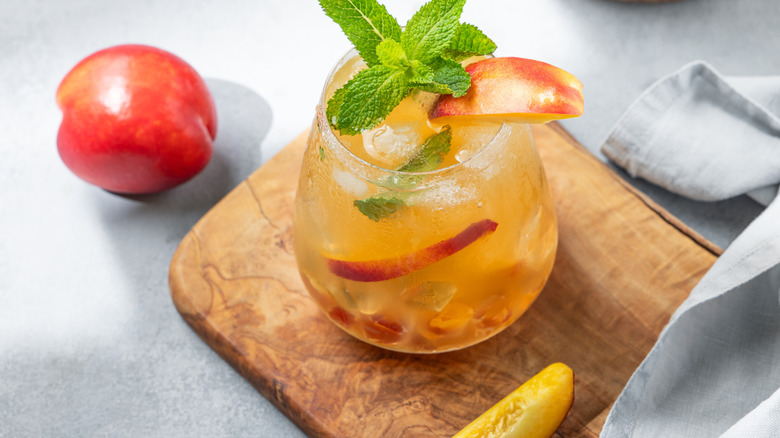
Lest you think all Southerners like their iced tea sweet, that's actually not so. Many family tables hold separate pitchers for sweetened or unsweetened iced tea, though sweet tea fans admittedly outnumber those preferring the natural essence of unaltered classic iced tea. But these scenarios lend credence to the practice of sugaring tea when it is cold: Everyone at the table, or sharing a household refrigerator, can pour individual glasses of iced tea and sweeten (or not) to individual preferences. That is basically what you call "sweetened tea" rather than "sweet tea."
Both are tasty, refreshing, and sweet when desired — but sweetened affords more control after the fact. It also leaves some wiggle room for different types of sweeteners. Some folks may prefer honey, flavored syrups, raw cane sugar, or various natural or artificial options. Just keep in mind the issues with sweetener dissolution and how it affects what lands in your frosty, tinkling glass of chilly iced tea.
If going the unsweetened iced-tea route, consider squeezing in some fresh lemon juice, grated ginger, or sliced peaches. You can also check out our list of ingredients that elevate homemade iced tea or explore a wide variety of store-bought sweet tea brands.
This beverage, along with sweetened iced tea, forms part of a strong cultural identity in Deep South states, serving as a symbol of hospitality and a shared sense of belonging. Southern writers, food historians, and literary figures elevate sweet tea as an indicator of where you are, who you are, and how you live.