

10 Vintage Martha Stewart Cookbooks You Need In Your Collection
We may receive a commission on purchases made from links.
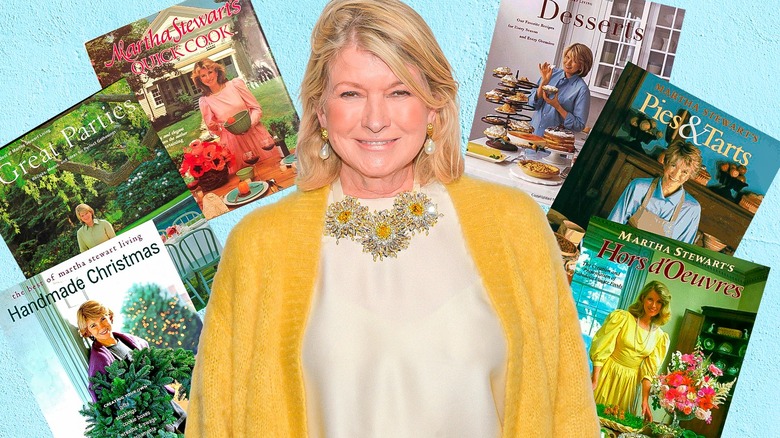
In an era where recipes are just a quick Google search or scroll away, there is something endearing, even quaint, about taking down an old cookbook from the shelf. Even more so if it has Martha Stewart's name on it. Vintage Martha Stewart cookbooks are more than simple recipe logs; they're time capsules, providing a glimpse into household life during the '80s and '90s. Back in time to when entertaining was all about intricately folded napkins, tiered dessert displays, and a centerpiece to match the hors d'oeuvres.
These books are packed with out-of-date advice — picture melon balls in cantaloupes scooped out to hold them, or the tea sandwiches that were the peak of sophistication in their day. There is a certain joy in flipping through shiny pages with kitchen fads that have long passed. But beneath the vintage presentation ideas lie ageless gems, like old-fashioned roast chicken methods, and the sort of baking know-how that stands the test of time.
Having one of these cookbooks is about possessing a slice of cultural history as much as it is about cooking. The pages feature Stewart at the height of her influence, when she was mapping not just meals, but the idea of gracious living. They document the revolution in American entertaining and the food trend cycle. Whether you're a seasoned collector or a curious home cook, adding a vintage Martha Stewart title to your shelves means inheriting both the quirks and the classics. It's a reminder that while culinary fashion changes, the heart of good cooking (and good hosting) never really goes out of style.
1. Entertaining (1982)
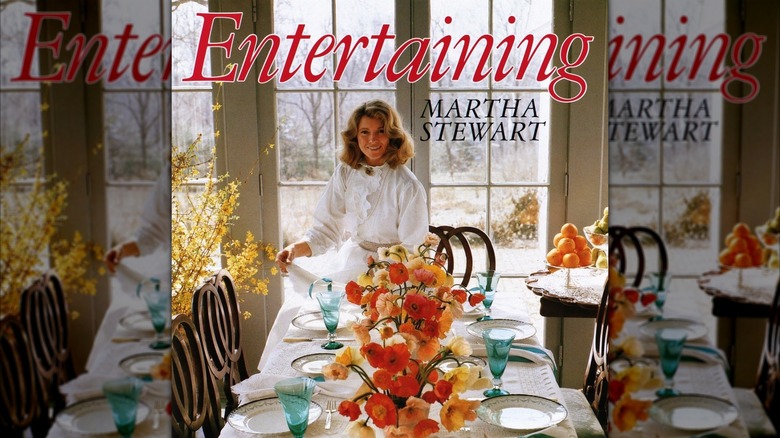
When "Entertaining" was published in 1982, it was Martha Stewart's first book, and the launch of a brand that would change the face of domestic style for generations to come. Part cookbook, part lifestyle manifesto, the oversized manual and memoir is a visual feast of staged dinner parties, luncheons, and holiday bashes, etc. It pairs recipes with decor advice, menu planning, and seasonal theme suggestions that propose that sophisticated entertaining is as much about presentation and atmosphere as food.
"Entertaining" stood out in its day for its aspirational tone. When most cookbooks were happy to provide workaday recipes, Stewart elevated American entertaining into a high art, imploring readers to pay attention to every detail (table settings, floral arrangements, lighting, even the timing of courses). It caught the wave of 1980s affluence and social aspiration by addressing readers who wanted to bring some polish and glamour into their lives.
For today's collector, "Entertaining" offers more than nostalgia. It's a window onto a specific spot in American culinary and cultural history. It harkens back to a time when the domestic arts were being rewritten for a modern, image-conscious audience. A lot of the food and styling guidance appears retro (pig with an apple in the mouth, pastel linens, and some of the flower arrangements), yet fundamentals like seasonal menus and the joy of company remain timeless. To own a copy now, especially an early copy, is to hold a blueprint of Stewart's empire in its infancy.
2. Martha Stewart's Hors d'Oeuvres (1984)
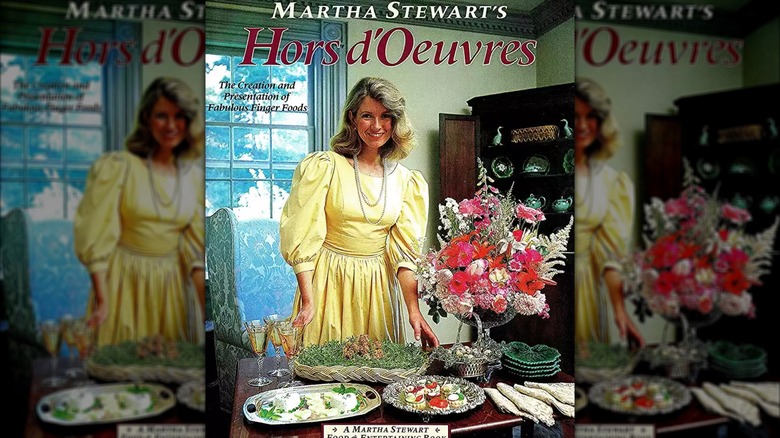
"Martha Stewart's Hors d'Oeuvres" already solidified her reputation as the reigning authority on elegant hosting. A follow-up to her debut "Entertaining," this book zeroes in on the art of the bite-sized appetizer by transforming finger foods into a visual and culinary showcase. Lavishly photographed, it presents hundreds of recipes for canapés, tartlets, patés, and molded delicacies, alongside guidance on garnishes and serving platters.
At a time when American entertaining was leaning toward sophistication and European influence, Stewart's meticulous and unconventional approach to hors d'oeuvres still felt aspirational. She treated even the smallest amuse-bouche as an opportunity for artistry through layering flavors and textures while styling each bite with precision. The book also reflects the era's culinary fashions (smoked fish pâtés, skewers, and intricate cold platters) alongside other classics like miniature quiches and stuffed mushrooms.
Its impact was twofold: For serious home entertainers, the book became a go-to reference for making parties feel accessibly luxurious, and for casual readers, it showcased a level of detail and polish that helped define Stewart's brand. The emphasis on visual composition in food, which was already a hallmark of her work, would influence a ton of subsequent lifestyle media. Simply put, "Hors d'Oeuvres" is a snapshot of 1980s culinary style. It captures the trends that have faded and techniques that remain relevant today. Early editions are particularly prized for the rich photography and period-specific styling. Think of it as a document of Stewart's early, pre-multimedia empire. It's part instructional manual, part design inspiration, and part cultural artifact.
3. Martha Stewart's Pies and Tarts (1985)
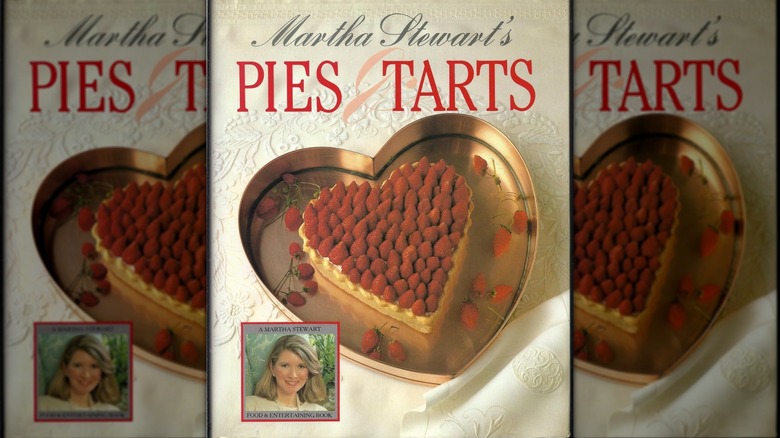
"Martha Stewart's Pies & Tarts" is a photographic beauty, technique-driven book completely devoted to one of the sweetest and most beloved types of baking. There are more than 100 recipes in the book that span dessert and savory territory, each of which is presented Stewart's signature precision and visual appeal. Large-format photos, often set in dramatic natural light, make every dish look like it belongs in a pâtisserie window.
What sets "Pies & Tarts" apart is that it is all about fundamentals. Stewart did more here than provide recipes; she offers detailed instructions on how to mix, roll, and blind-bake doughs, and on surface decorations like lattice crusts, fluted edges, and carved pastry leaves. Prolonging the focus on technique kept the book as useful to beginners as it was motivating to experienced bakers who were just looking for some reminders on refinement. The actual recipes blend American pie staples like apple, pecan, and pumpkin pies into sophisticated European style in tarte Tatin, lemon tart, and pâte brisée-based savory tarts. The combination demonstrates Stewart's skill at merging homestyle comfort with high-end presentation, a skill that would be the signature of her brand.
To contemporary bakers, "Pies & Tarts" is an informative baking book and a snapshot of mid-1980s food styling, when ripe fruit laid out in symmetrical clusters and formal presentation were all the rage. It's still a foundational work for anyone building a collection of vintage cookbooks that celebrate both skill and style.
4. Martha Stewart Weddings (1987)
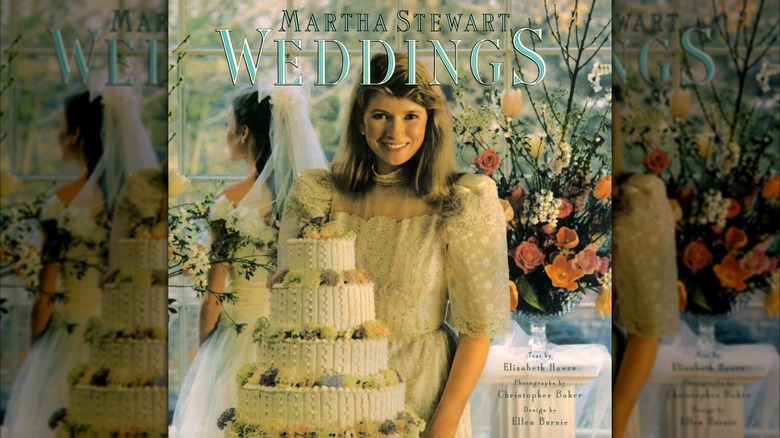
When "Martha Stewart Weddings" debuted in 1987, it brought Stewart's meticulous eye to one of life's most celebratory milestones. Far more than a collection of ideas for bouquets and multi-level cakes, the book is an encyclopedia for pulling off a wedding with elegance and personal style. The book is organized into thematic chapters where the wedding is not merely a function, but it's an edited event. Luxe photography captures Stewart's signature blend of grandeur and stylish details of the time, much of which defined late-1980s bridal styles.
Its impact was understandably massive. While bridal magazines offered glimpses of inspiration, Stewart's book provided a single, start-to-finish vision for the modern wedding. She advocated harmony of color scheme, seasonality in menu planning, and a personal approach to conventional traditions. The result was a book that appealed to brides and really anyone who was interested in the intersection of event design and hospitality.
"Weddings" offers a fascinating look at bridal fashion of the era. Everything from puffed sleeves and trailing florals to skyscraper fondant cakes that graceful reception tables. While some aspects of fashion have not aged well, the principles of event planning and cohesive design still hold true. As with "Hors d'Oeuvres," an early printing is for its photography, which captures a pre-digital era of wedding coverage, and for its place in Stewart's publishing history as she transitioned from cooking and entered the whole lifestyle field. For a vintage lifestyle manual, it's a stylish and historically interesting addition.
5. Martha Stewart's Christmas (1989)
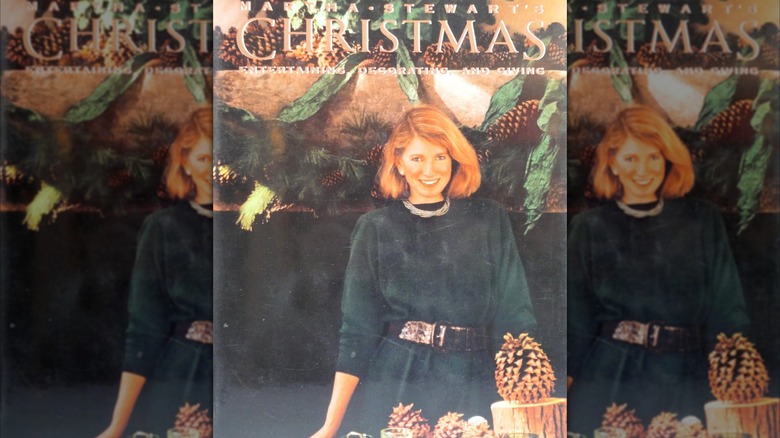
Part recipe collection, part holiday style guide, 1989's "Martha Stewart's Christmas" offers readers a meticulously planned holiday season complete with menus, edible gifts, intricately detailed ornaments, and picturesque table settings. The book's pages radiate a comfortable but very sophisticated vision of Christmas, mixing old-fashioned motifs with the low-key, aspirational look that had become her trademark at the close of the decade.
At the time of its release, "Christmas" was special for the magnitude of its ideas. It encapsulated the late 1980s' obsession with elegant home entertaining, when cooking and crafts went hand-in-hand with fine-tuning party ambiance. Like "Weddings," the book offers something more than Christmas nostalgia with its snapshot of pre-digital seasonal inspiration. While some of the crafts belong to their era, with gilded pinecones, ribboned trim, and baroque edible centerpiece designs, the underlying recipes and many of the decorating ideas are timeless.
For anyone paying attention to seasonal design as of late, a trend in recent years has been to recapture the warmth of retro Christmas decor with bright primary colors and the cozy glow of incandescent bulbs. If you're building a vintage Martha Stewart book collection, Christmas is a timeless title that combines culinary skill and DIY creativity with the enduring appeal of a well-planned holiday season.
6. Martha Stewart's Special Occasions (1994)
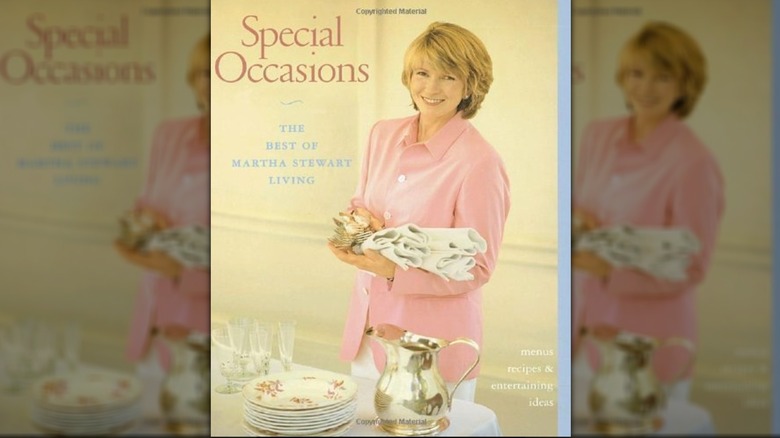
Building on the popularity of her earlier fun books, Martha Stewart offers a year's worth of menus and decoration suggestions for particular gatherings in "Martha Stewart's Special Occasions." Easter brunches, summer garden parties, Thanksgiving dinners, New Year's Eve parties, and more are included. Every occasion is presented as a complete experience that brings together recipes, table settings, flower arrangements, and even serving etiquette into an integrated whole.
What separates "Special Occasions" is its deliberate mixing of culinary art with event decor. Instead of offering stand-alone recipes, Stewart organizes her efforts based on the mood, season, and formality of the occasion. A springtime menu would feature pale-colored desserts and restrained flower centerpieces, while a winter dinner depends on rich flavors and soft lights. This thematic organization allows readers to visualize how presentation and dishes together create an atmosphere — a concept that has since become a Stewart original.
Mid-1990s Entertaining style is also preserved in the book, from its shiny photography to its abundant seasonal ingredients and its emphasis on fresh, from-scratch cooking. While some of the styling choices are period (as with the others), the menus themselves are largely timeless, offering ongoing inspiration to today's hosts. For collectors, "Special Occasions" is Stewart at her best, when her publishing career was marrying cooking know-how to lifestyle panache. It's both a practical guide and a richly designed gem that embodies the entertaining ethos that continues to define her brand.
7. The Martha Stewart Cookbook: Collected Recipes for Every Day (1995)
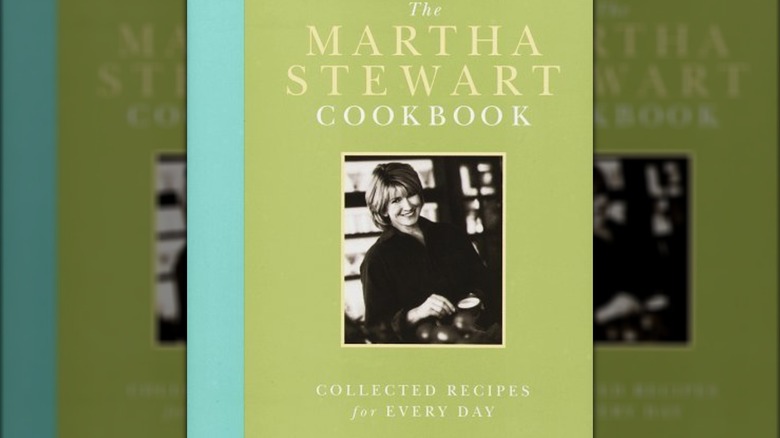
"The Martha Stewart Cookbook: Collected Recipes for Every Day" was Stewart's first genuine opus. The book was a grand 600-page collection that distilled over a decade of her food publishing into a single authoritative volume. Unlike her earlier, theme-based books, this was intended as an all-purpose kitchen reference. It contains everything from speedy weeknight meals to showy masterpieces for holidays and celebrations. It's organized into easy-to-use categories, so it's as valuable for either weeknight dinners and holidays.
"The Martha Stewart Cookbook" is different from other cookbooks because it fills two roles. It's a personal keepsake, in that it includes recipes Stewart selected from her previous books, magazine articles, and personal files, and also as a working manual, since she updated them when needed and supplemented them with clear, readable instructions. The tone is less about event planning and more about plain-cooking fundamentals, all while her attention to presentation still comes across in the photography and presentation. It's a Stewart book so unpretentious that it's as at-home in a beginner's kitchen as it is in a seasoned host's bookshelf.
The other distinguishing feature is its sheer scope. This isn't a specialized guide to pies or hors d'oeuvres, but a full-spectrum cookbook that reflects Stewart's range. For fans, it's also a snapshot of her cooking tone in the mid-1990s, when her empire was spreading wide and quick, but still before the web would begin to dominate home-cooking concepts. Now, The Martha Stewart Cookbook is a valuable working resource if you seek "a greatest-hits album."
8. Great Parties: Recipes, Menus and Ideas for Perfect Gatherings (1997)
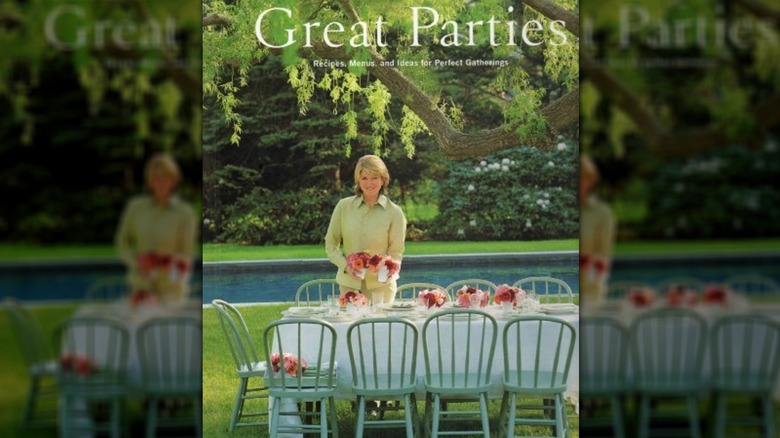
"Great Parties: Recipes, Menus and Ideas for Perfect Gatherings" gathers the Martha Stewart Living experience into a thematically rich handbook on entertaining. Rather than organizing information by exploring a theme or season, as in "Special Occasions," this book is organized around specific party experiences — things like Mediterranean buffets, Polynesian beach picnics, soul-food brunches — based on event narratives as the vehicle for transportive storytelling.
Great Parties is unique in placing parties as richly styled ways of life. Each chapter presents a fresh situation for an event, like a garden harvest party or a Texas barbecue, and combines regional cuisine with decor inspiration and ambiance into a cohesive image. These scenarios are not merely recipe lists, they also invite the reader into exquisitely set parties that are inspirational and evocative. Whereas "Special Occasions" offers off-the-shelf menus and decor plans around a season or anniversary, "Great Parties" focuses on the storytelling appeal of themed affairs. It takes inspiration from real-world surroundings and designs right down to such details as large mason jars as flower vases for speedy styling tips.
For collectors, the book has visual and historical appeal. Its lavish photos and imaginative scope are indicative of Stewart's artistic peak prior to her company's meteoric rise in the late '90s. While "Special Occasions" chronicles the formulaic aspect of party entertaining, "Great Parties" is more spontaneous, more cinematic — a solid addition to any curated lifestyle library.
9. Martha Stewart's Healthy Quick Cook (1997)
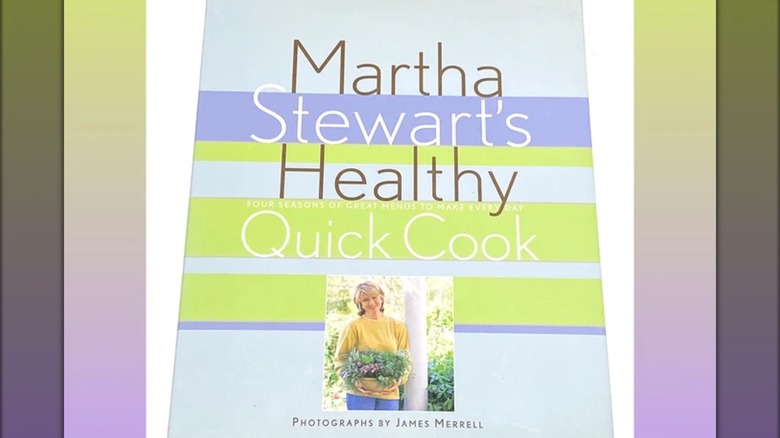
In contrast to the '90s calorie-counting diet books, Martha Stewart leads readers to intuitive eating (ahead of her time, one might say?) and teaches them how to present grains, fruits, and vegetables in a starring role using clever technique and flavor combinations in "Healthy Quick Cook." Chapters organized into the four seasons supply a rhythmical, approachable structure that reflects whole-year cooking priorities. What sets this cookbook apart is Stewart's ability to marry health consciousness with flair. The food is not skimmed down but instead elevated — like an egg white frittata on herb-garnished, garlic potatoes, or seared tuna burgers topped with wasabi mayonnaise. They're homey but innovative dishes that are satisfying and vibrant.
A Publishers Weekly assessment of the creativity in brightened ingredients — like using half-and-half instead of heavy cream in dishes like "Enlightened Crème Fraîche" — with the caveat that the "Quick Cook" label could be wishful thinking for individuals juggling actual-time limitations.
The book occupies a special niche in Stewart's bibliography: it melds her playful sensibility with wholesome, down-to-earth cooking. It's a great alternative to the more episode-focused "Great Parties," or even the celebratory tone of "Special Occasions." For fans, its interest lies in this overlap: it reveals a mid-'90s Stewart entering the wellness arena without sacrificing her identity.
10. Desserts (1998)
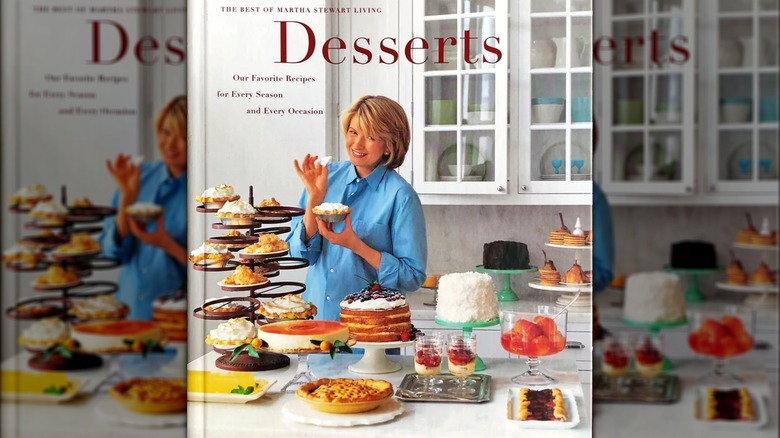
"Desserts: Our Favorite Recipes for Every Season and Every Occasion" is sometimes cataloged as "The Best of Martha Stewart Living." This volume streamlines Stewart's favorite dessert recipes into a single, beautifully designed book. From cover to cover, its 144 pages provide classic cakes along with innovative fruit-based treats, all illustrated with lush color photographs that promote baking expertise and an eye for beauty.
What makes "Desserts" a standout is its versatility. It effortlessly bridges ordinary indulgence with special-occasion elegance. The birthday cakes, nonglamorous picnics, or dinner party finales find beauty in the most common occasions that may need to be injected with some excitement. Rather than overwhelming the reader with encyclopedic information, the book offers the reliable, uncomplicated recipes that define Stewart. Its visual story is as functional as it is lovely with beautiful photos that don't overwhelm, so gourmet-level presentation is within reach.
Where Stewart's more instructional endeavors like "Pies & Tarts" are out there, "Desserts" shines in its choice. It's not a catalog of every pastry but a reflection of favorite achievements. This collection is a snapshot of when Stewart was the taste-maker behind dessert looks in American kitchens.