

Why Freshly Ground Hamburger Meat Will Always Make Better Burgers
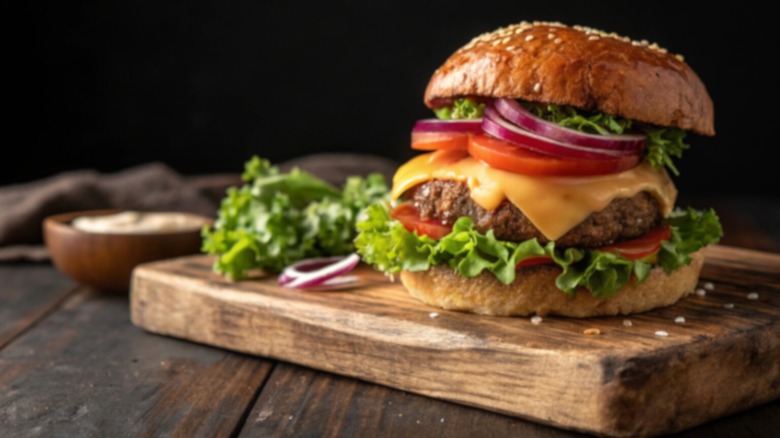
There's a reason some burgers taste like a juicy, beefy revelation, while others fall flat no matter how carefully you toast the bun or whisk the special sauce. The difference isn't a secret seasoning or a fancy topper. It starts long before the patty ever hits the heat — at the moment the meat turns into burger.
The game-changer is freshly ground beef. Chef Josh Capon — the force behind Fly Fish at the US Open's dining lineup — puts it plainly: "Freshly ground is always better. Just make sure the color is nice and vibrant." He adds, "I would always shoot for grinding mince on the day of for maximum flavor and freshness. A day or two ahead is not terrible, but not much more than that." Capon's US Open cred underscores the point — he feeds serious crowds that expect serious flavor.
Freshly ground meat wins because of factors like texture, fat distribution, and oxidation. When you grind right before cooking, fat stays distinct, creating that loose, craggy structure that sizzles into a crisp crust outside and stays tender within. Extensive testing by some established foodie experts shows home-ground meat delivers a superior, steak-like bite versus dense, store-ground packs — especially when everything is kept cold so the fat cuts cleanly.
Vibrant color matters, too. Myoglobin in fresh beef shifts hue as it binds oxygen, so exposure to air can tilt the pigment toward a dull, browning color and be a sign that flavor is fading.
Texture, flavor, and food safety are in the timing
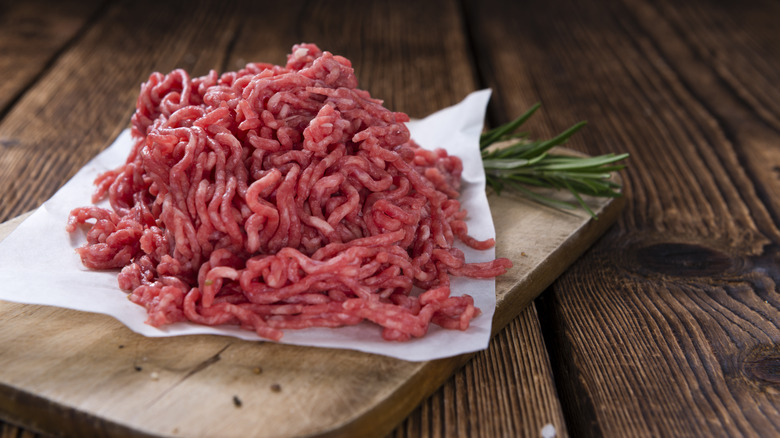
Shaping also matters. Capon advises waiting to form your patties. "If you're buying your meat ahead of time, I would wait until the day of to form the patties. The less surface area, the less oxidation," he says. That's because grinding and shaping early dramatically increases the surface area of the meat to air, which accelerates oxygen contact and allows aromas to dissipate before cooking. Keep the ground meat cold and coarse, handle it lightly, and shape just before it hits the pan or grill to preserve that springy, juicy bite.
There's a safety angle, too. Because grinding moves bacteria from the exterior through the interior, ground meat has a shorter fridge life than whole cuts. U.S. food-safety guidance is clear: Cook or freeze ground meats within 1 to 2 days of purchase. If you must grind ahead of time, portion and wrap tightly, press out air, and keep everything below 40 degrees Fahrenheit.
Choosing well-marbled cuts and keeping both meat and equipment cold also creates a pebbly texture that browns beautifully. Mix blends gently, form patties just before cooking, and season all over the surface. For more in-depth tips, check out our awesome find on how to make the perfect burger, and the best technique to cook burgers that a restaurant would be jealous of. And remember Capon's north star: Freshly grind the meat, look for vibrant color, and keep minimal time on the clock.