

10 Ways To Eat Seaweed That Aren't Sushi
We may receive a commission on purchases made from links.
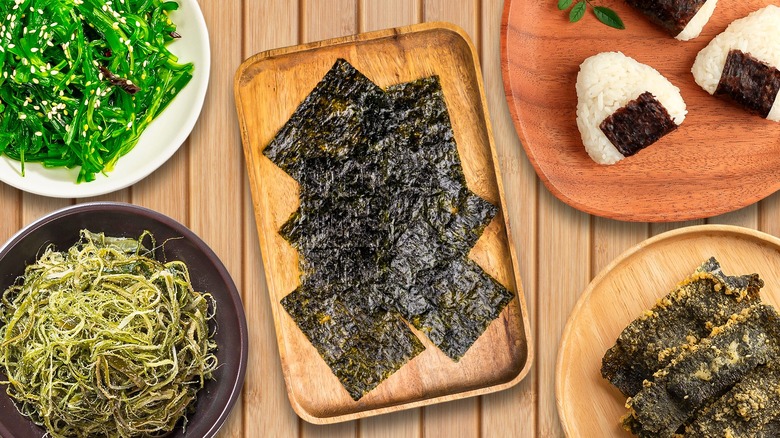
When you think of seaweed, you probably envision a spicy tuna roll bundled in nori, dipped in soy sauce, and chased with a sip of sake. But there are more ways to use seaweed than just as a sushi sidekick. Seaweed, an umami-packed powerhouse, is a staple in many Asian households, offering depth, a briny flavor, and a punch of nutrition with every sheet. It contains a variety of minerals that support thyroid function, heart health, and more.
This ocean-derived ingredient comes up in many forms, including paper-thin nori to glass-like wakame and thick mineral-packed kelp, each offering a unique texture and flavor deserving of more culinary airtime. Whether you're looking to swap out your basic side dishes, add complexity to your breakfast, or just in the mood for something earthy but elevated, this list is your gateway to the untapped world of seaweed. From crunchy chips and soulful soups to healthy smoothies and savory salads, here are some inventive and wildly underrated ways to enjoy seaweed without a maki roll in sight.
Trade basic chips for salty, umami-rich seaweed chips
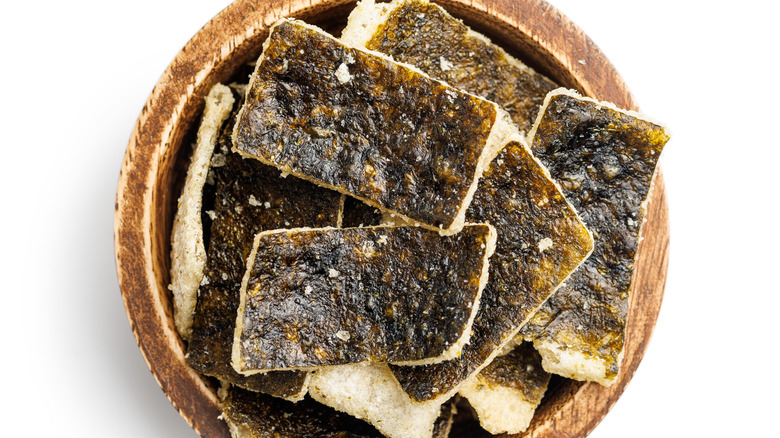
Seaweed chips are everything a classic chip offers — crispiness, saltiness, and addictiveness — but with an extra layer of intrigue that regular potatoes could never pull off. And they definitely beat the greasiness of potato chips. Store-bought varieties come in flavors like wasabi, sea salt, kimchi, spicy sriracha, and more.
Seaweed chips are often made by frying oil-coated seaweed sheets, but you can make them at home in the oven or air fryer as well. Simply place a seaweed sheet on a baking sheet, drizzle it with oil, and bake it. You'll be surprised how easy they are to make and to eat. The sheets hold their crunch best when they're stored in airtight jars or packed in an airtight bag to keep them away from the humidity.
Each sheet is approximately 10 calories. Most Korean supermarkets, as well as grocers nationwide, including Target, Costco, Kroger, Winn-Dixie, and Albertsons, stock them. The saltiness of the seaweed chips goes especially well with soda, sparkling water with lime, beer, or other carbonated drinks. They're also a great alternative for chips when it comes to scooping guacamole, ridiculously good sidekicks to soups, ramen,and pho, and if you're a crunchy sandwich or salad person, don't shy away from crushing a handful between breads or on top of your greens for a delectable bite.
Layer crispy nori into your omelet for a Japanese-inspired breakfast

A good omelet is all about flavor balance, fluffy eggs, and potentially some fillings or herbs to go along with it. But did you know you can swap the herbs for some crispy nori? A nori omelet is like a glow-up for tamagoyaki, the classic Japanese rolled omelet. This swirly egg dish is a popular delicacy in Japan and is made by layering and rolling thin sheets of seasoned egg in a rectangular pan. The paper-thin sheets of seaweed are rolled in the center of the egg as it cooks and offer a savory flavor. The simple mix of fluffy eggs, mirin, sugar, and salt, meanwhile, creates a flavor that's both comforting and decadent.
You'll want to make sure you add the extra ingredients, including the mirin and soy sauce for umami depth, a sprinkle of sugar for balance, and even a dash of dashi powder for the essence of the sea. The dish pairs particularly well with avocado toast sprinkled with sesame seeds. Or simply top off the egg with a light sprinkle of your favorite cheese, perhaps fold in some crab or salmon for a coastal feast.
Seasoned nori works beautifully for tamagoyaki, but you can also use plain nori sheets available at Japanese grocery chains like H Mart or even Costco. Once the nori and egg mix, it's best to consume the omelet within an hour of cooking or eight hours (if refrigerated) to avoid a soggy texture.
Fold your favorite fillings inside onigiri for a ball of comfort
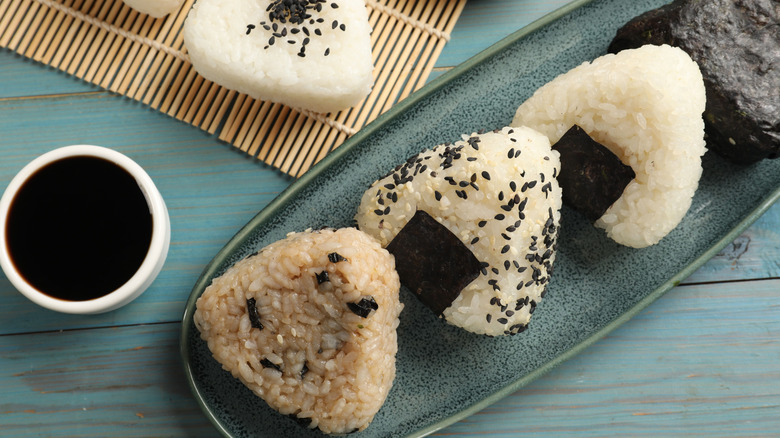
Onigiri, also known as omusubi or nigirimeshi, are hand-made, flavored rice balls wrapped in nori (seaweed). These popular and versatile lunchbox icons are a staple in Japanese kitchens. They're often partially or fully wrapped in nori squares, and filled with classics like pickled plum, salted salmon, tuna, grilled tofu, or other savory options. Onigiri is traditionally shaped in neat little triangles, or sometimes balls or cylinders, but if you're making them at home, you can experiment with many different shapes. Top them off with simple salt seasoning or sprinkle furikake, a dry Japanese condiment, on top. Freshly made onigiri has the comforting contrast of warm, fluffy rice paired with a chilled, savory filling and the bite of seaweed.
Onigiri is a popular breakfast option in Asian countries thanks to its balanced macros: rice for carbohydrates, fish or tofu filling for protein, and seaweed for other nutrients. Some Japanese grocers in the U.S. have these ready-made, and most Japanese restaurants even have them on the menu. If you'd rather try a homemade version, make sure to wrap them in plastic wrap and twist the ends so the rice stays warm and the nori stays crispy within the wrapper. Eat within six hours of making them.
Toss together an umami seaweed salad that's all crunch and zest
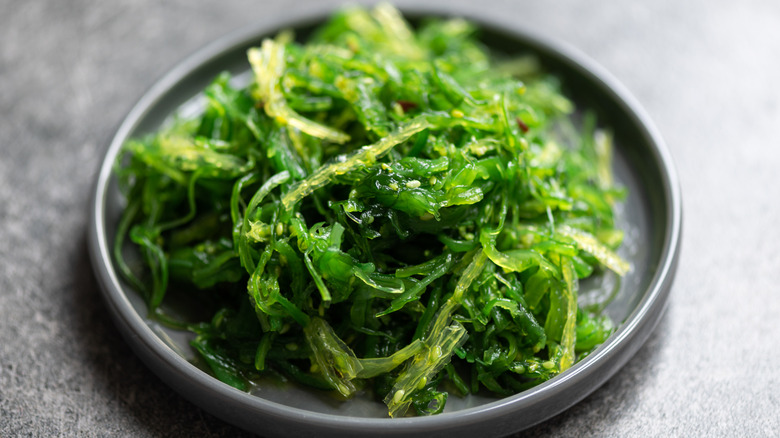
Goma wakame, a seaweed salad, is a common addition to sushi bar menus. It's primarily served chilled and made using rehydrated wakame seaweed dressed in sesame oil, soy sauce, rice vinegar, and sugar, along with a sprinkle of sesame seeds and sometimes the occasional spark of chili flakes or ginger. The slippery, chewy texture contrasts with the crunch of the sesame seeds and other crispy vegetables, such as daikon radish, cucumber, scallions, carrots, and edamame. You can keep the recipe as traditional or make it as unique as you want. Seaweed salad plays well with other dishes, too. It's refreshing alongside salty shellfish like shrimp and scallops, acts as a cooling counterpart to a savory miso soup, and complements the flavors and warmth of a spicy stir-fry perfectly.
Goma wakame is often served in sushi restaurants and poke shops and can be bought pre-made as well. Tubs of it are stocked in Costco's refrigerated aisles and Asian grocery stores. It's a great recipe for when you want a little sushi bar magic at home, without the complex knife work.
Add seaweed to your bowl of miso soup
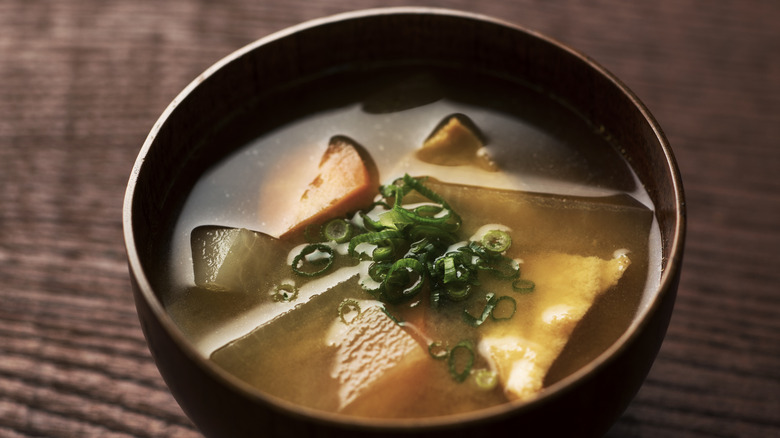
There's a reason why you see miso soup show up on the menu at almost every Japanese restaurant. The soothing, savory, and deceptively simple dish is an absolute classic, with the addition of seaweed quietly elevating the experience. This comfort food starts with miso paste combined with a traditional Japanese fish stock known as dashi. The dashi stock can be made with dried sardines, dried kelp (kombu), shredded dried bonito, or dried shiitake mushrooms, giving it a deep, ocean-kissed taste. Kombu adds savory depth, and you can also add wakame for a silky texture and sweet depth, and nori for saltiness. All three ingredients combined give the soup a complex flavor. Other add-ins include tofu, green onions, and chewy shiitake or enoki mushrooms.
Miso soup can be enjoyed at almost every sushi bar and ramen shop across the U.S. That first slurp is a light yet satisfying sip of stock with the kind of depth that makes you want to hug the bowl. The umami flavor that the soup emanates comes from the glutamic acid in the koji, making it the ultimate salty, savory, and earthy bite. If you'd like to try it yourself at home, our simple miso soup recipe takes you from pantry to perfect in minutes.
Transform crunchy seaweed into kimbap
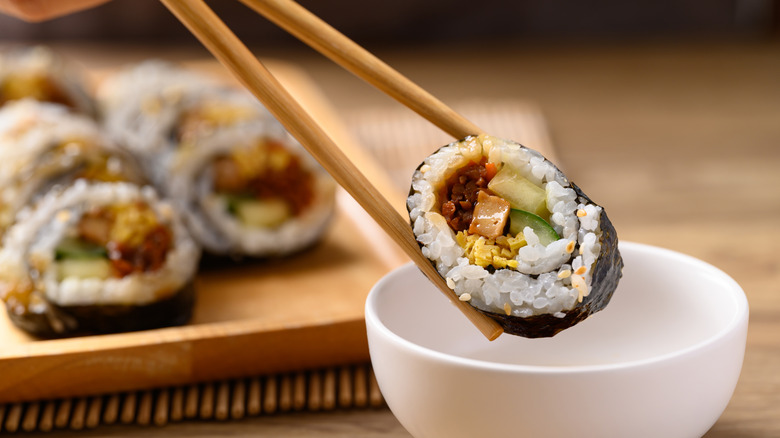
Kimbap looks like sushi at first, but it's a little different. Kimbap, translating to seaweed (kim) rice (bap), is a staple in most Korean households. Each seaweed rice roll starts with roasted gim, a thinner, oil-brushed variation of nori. The rice roll is most commonly filled with thinly sliced ribbons of spinach, carrot, cucumber, egg, tofu, and/or Spam, and then rolled snugly in a sheet of roasted seaweed and topped with sesame oil. It's then cut into bite-sized rounds and served as a snack or a grab-and-go lunch option.
The combination of protein, rice, and veggies provides a balanced source of nutrients, while the seaweed itself offers a dose of vitamins A, C, and B12, and iodine. The vibrant colors make it a showstopper for kids' parties or picnics. Kimbap is also a more forgiving version of sushi if you're a beginner; the rice isn't quite as sticky, and the fillings are cooked. Kimbap can be found in Korean restaurants and grocers like H Mart and Lotte Plaza. Nationwide chains like Trader Joe's and Costco also offer frozen versions of the same, making it easy to satisfy a K-drama-induced craving without hopping on a plane to Seoul. If you'd rather make it yourself, use a bamboo mat to roll it tightly and wrap it in cling film to preserve the freshness and moisture.
Turn it into seaweed butter
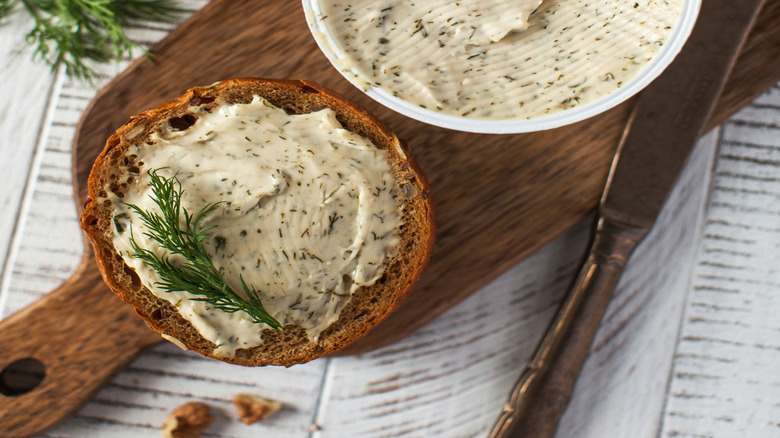
Seaweed butter is a luxurious, ocean-inspired spread made by mixing the softened fat with dried, powdered seaweed. The result is a rich, briny butter that exudes a deep umami flavor with just the right hit of salt. Since the seaweed is already quite salty, the compound butter is almost always made with unsalted butter. Additional seasonings include nori flakes for a subtle roasted note, wakame powder for a sweeter edge, lemon zest for freshness, and optional chili or sesame seeds for extra flavor. Once mixed, the butter is then rolled into a log and chilled, allowing it to be sliced to top off freshly grilled fish, roasted vegetables, seared scallops, a steaming bowl of pasta, orwarm, toasted bread.
You can easily make it at home using dried seaweed or seasoning blends like furikake. You'll also find fresh seaweed butter at some fish markets or online stores. If you're making it at home, make sure to store the mixed butter in an airtight container and refrigerate. Make a fresh batch and use within the week, or freeze it for up to one month. You can pull it out whenever you want to elevate a simple dish with minimal effort.
Add it to your pesto
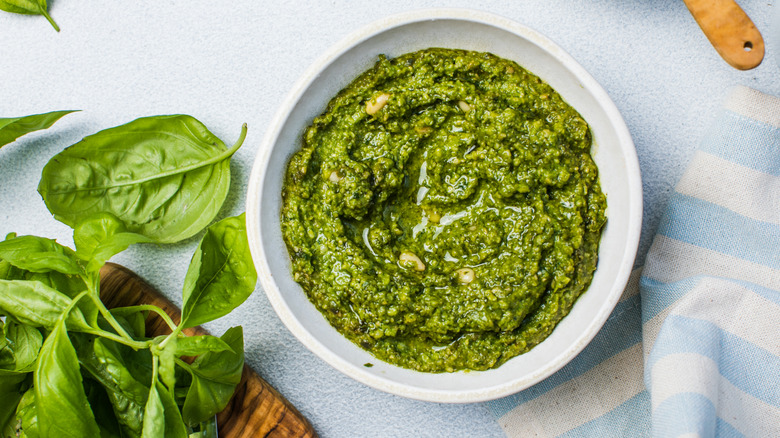
An ocean-kissed twist on the classic Italian pesto sauce, seaweed pesto uses seaweed (commonly wakame, kombu, or dulse) to replace some or all of the basil. The rest of the traditional components of a pesto, like pine nuts, garlic, olive oil, and Parmesan, remain as is. The addition of seaweed serves as an umami-laden alternative to a classic pesto. When the freshness of the sea meets the richness of a classic pesto, it creates a bright, briny mixture that, we know, will become a must-have in your pantry.
You can find jars of pre-made seaweed pesto online and even at some farmers markets. If not, it can easily be made at home by blending the seaweed with traditional pesto ingredients. Some tips to keep in mind while storing include keeping it in an airtight jar to slow oxidation and refrigerating and using it within two weeks, or freezing smaller ice-cube-sized portions to have on hand for quick dinners. It can be enjoyed as a sauce with pasta, drizzled over steamed or stir-fried vegetables, slathered on toast, or used as a colorful pizza sauce.
Make kelp noodles
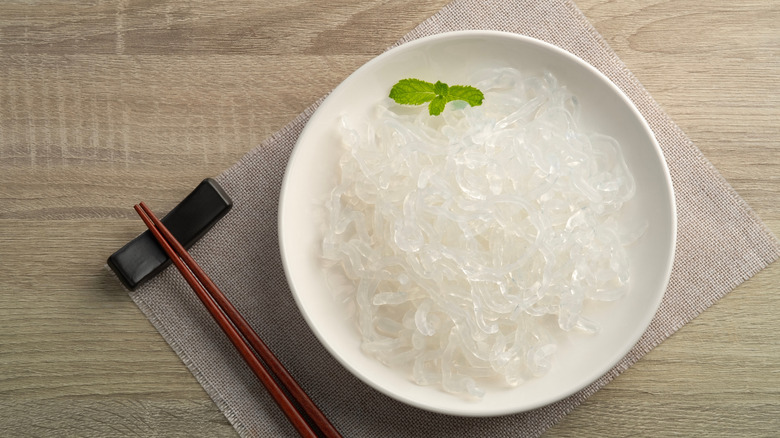
Kelp noodles are made from sodium alginate, kelp, and water. Kelp is a low-calorie Asian staple that has a neutral taste and is naturally gluten-free. The noodles have a clear or green appearance and are crispy when raw and delicately chewy when softened after soaking or blanching. The easiest way to make them at home is to first soak them in water. Some brands package them with liquid, so you can skip that step if that's the case with your product. Then, drain and rinse the noodles thoroughly before adding a teaspoon of baking soda and lemon juice. The foamy mixture will help soften the noodles.
Their taste is almost negligible, making them the perfect base for whatever sauce you pair them with, like spicy peanut dressing for a bite of crunch or a swirl of noodles swimming in miso broth. Toss them with sesame oil, soy, and scallions for a chilled kelp noodle salad, stir-fry with vegetables for an Asian meal at home, or pair them with a scoop of seaweed pesto.
Most chain grocers like Whole Foods, Walmart, and even Amazon stock kelp noodles. You may also be able to find them in the refrigerated pasta or gluten-free sections in upscale co-ops or at H Mart.Try them the next time you're looking for a perfect, no-fuss weeknight meal.
Give your morning smoothie a glow up with seaweed
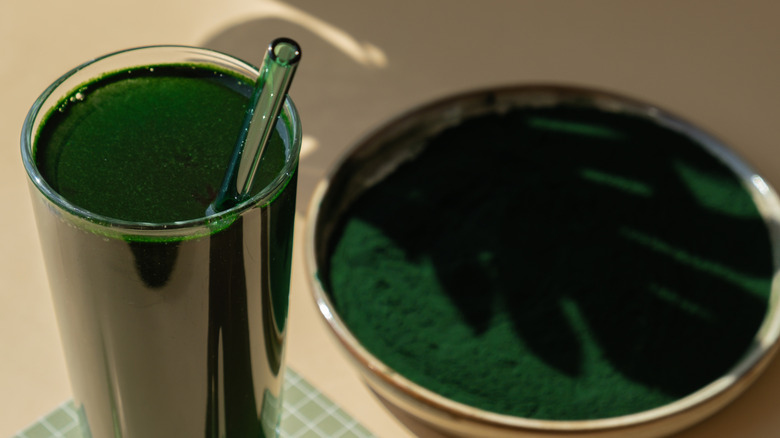
As you might expect, a seaweed smoothie is a blend of seaweed, typically powdered spirulina or soaked wakame, with fruit, leafy vegetables, and liquids like water or coconut water. It's a power-packed way to include nutrient-rich ingredients, especially with seaweed. Try one with bananas, mango, pineapple, spinach, kale, and coconut water or any plant-based milk. For extra flavor and texture, sprinkle a handful of chia seeds on top or swirl in a spoonful of nut butter before serving; it'll look stunning and taste even better. The earthy taste of spirulina powder is balanced by the fruits and vegetables, and some also prefer adding chia or flax seeds for enhanced fiber. Seaweed's robust profile beautifully pairs with the taste of sweet, juicy fruit, providing an equal parts creamy, refreshing, and intriguing mixture. Think of it like adding matcha; it deepens the flavor without taking away from the entire offering.
You'll find spirulina powders online, in natural-food shops, and even in well-stocked supermarkets. Once opened, keep the spirulina powder in a cool, dry place or in the fridge.