

Cod Vs Tilapia: Here's The Actual Difference

Flaky white fish lovers, this one's for you. Both cod and tilapia are prized for their tender yet dense texture and mild, accessible flavor. According to the National Fisheries Institute, both cod and tilapia are among the most popular types of seafood in the U.S., with tilapia being the fourth most-consumed type and cod being the seventh most-consumed type. Indeed, the two fish are largely interchangeable in terms of flavor and texture for all types of dishes, from fish tacos to smoked fish dip. However, cod tends to cost slightly more than tilapia and is a tad firmer, making it better suited to cooking methods like frying. Tilapia, by contrast, offers an umami-forward flavor and delicate texture. However, there's more to these two fish — it's all about the nuances.
Cod is an omnivorous saltwater fish, while tilapia is a plant-eating freshwater fish. Cod is often wild-caught, while tilapia is typically farmed, which helps reduce the risk of overfishing. Indeed, cod is currently classified as "vulnerable" under the conservation status due to its high demand. Tilapia's ease of farming also helps keep its price lower than that of salmon or trout for consumers. Both cod and tilapia are typically sold in boneless, skinless filets, which are easily accessible to home cooks and chefs alike. Plus, they're both relatively affordable and don't taste fishy. At the New York-based Fulton Fish Market, a 5- to 7-ounce center cut of wild Atlantic cod costs $12.99, and a 2-pound bag of frozen tilapia filets from Walmart's Great Value brand costs $9.76, as of this writing.
Cod is a saltwater fish with thick, tender filets
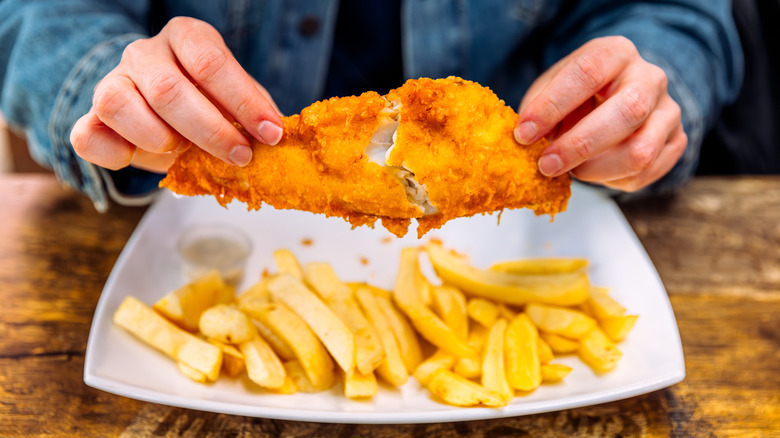
Most people probably know cod in its battered and fried form as classic British fish and chips. However, folks are digging into many different crave-worthy cod recipes all around the world, and have been for centuries. Atlantic cod has been prized and caught in the Basque Country since as early as the 1400s, and cod fishermen in the American Northeast were among the first U.S. settlers prior to the Revolutionary War. Over the years, the naturally preserved salt cod of pre-refrigeration yore (which is still revered as "the prosciutto of the sea") has evolved to tender filets that can be baked, broiled, fried, smoked, grilled, steamed, or even enjoyed raw. In Japan and Scandinavian countries, people love eating cod roe, a form of caviar and a local delicacy.
This Northern Hemisphere fish can thrive in both mild and Arctic water temperatures alike, and grows to substantial sizes that yield the large, white fillets prized by chefs. On the palate, cod arrives mild and subtly savory, yet delicate and slightly sweet, making the fish a versatile ingredient and picky-eater friendly (no distinctive brininess here). Atlantic cod offers a somewhat gentler, flakier texture and savory flavor, while Pacific cod tends to be firmer and sweeter. Not only is it flavorful and accessible, cod is also high in lean protein (19 grams per 3-ounce serving, with only 90 calories and a single gram of fat) and a rich source of vitamin B12 (30% of the daily value per 3-ounce serving), plus the essential minerals phosphorus and selenium.
Tilapia is more umami and texturally delicate
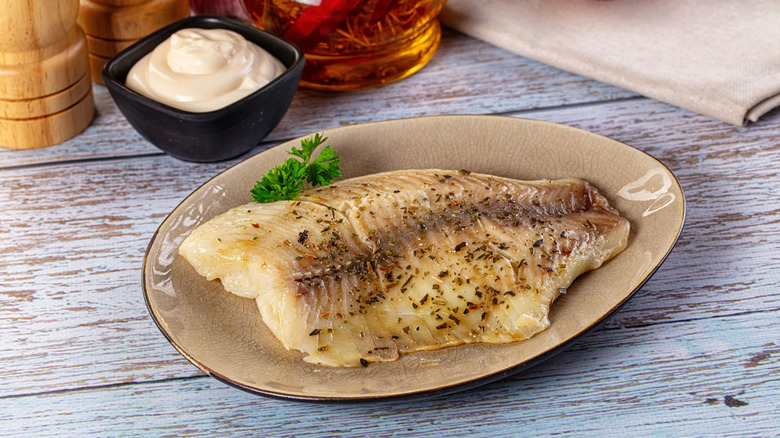
Unlike Northern cold water cod, tilapia are native to Africa, specifically the Nile River Valley. In fact, tilapia have the unique distinction of being one of the only fish in the world that can live in both freshwater and saltwater. Today, over 1 billion pounds of tilapia are produced at fisheries worldwide every single year. In aquaculture, tilapia boasts many commercial advantages: The fish grows rapidly, consumes an affordable plant-based diet, and thrives naturally in crowded conditions. Evidence of domesticated tilapia cultivation has been found dating back 2,500 years to the time of Ancient Egypt and Roman antiquity. Indeed, seafood lovers have been enjoying this flaky white fish since time immemorial.
The relatively thin, delicate flesh makes tilapia an excellent candidate for gentler cooking methods, such as poaching, steaming, sous vide, pan-frying, and baking, as we did with this Parmesan crusted tilapia recipe. Its flavor registers slightly more umami than cod fish, making it a better choice for entrée-style dishes than battering and frying like cod, which requires thicker structural integrity. Mild, accessible, and affordable tilapia is also a nutritional powerhouse. The fish boasts comparable protein, fat, and calorie ratios to cod, plus it's also a rich source of vitamin B12, phosphorus, and selenium. Just 3.5 ounces of tilapia also packs 24% of the daily value for niacin and 20% for potassium.