

7 Shady Restaurant Practices That Should Be On Your Radar

You sit down at a trendy new restaurant, lured by the buzz of "wild-caught Atlantic salmon" and "hand-foraged truffle oil." The food comes theatrically — dry ice smoking, edible flowers, gold leaf. But when you finally get around to paying, there's some surprise "service fee" you weren't prepared for, and that decadent truffle oil? It's just an artificial extract in olive oil.
In the age of Insta-plates and viral food trends, dining out is as much about image as it is about flavor. But behind the shiny menus and theatrics of plating, some restaurants are employing more subtle methods that range from deceptive to outright questionable. While not all restaurants are guilty, an increasing number are relying on gimmicks designed to trick customers, reap profits, and pad reputations — without anyone being the wiser.
To help lift the velvet curtain, we received some insight from Toronto restaurant critic Madame Marie, who's been exploring the city's fine dining scene for her personal blog. From pseudo-rarities and confusing service charges to bait-and-switch ingredients and flashy bells and whistles, she's uncovered a thing or two about the mechanisms behind some restaurants compromising integrity in the name of clout. This isn't about identifying a few bad actors; it's about how we can identify a pattern of behavior that's becoming increasingly difficult to ignore. As diners, we're not just customers. We're participants in a carefully choreographed experience. Recognizing how the performance can cross into a shady practice is part of keeping the exchange honest. Good food should never need a smokescreen.
Menu mislabeling to sound more premium
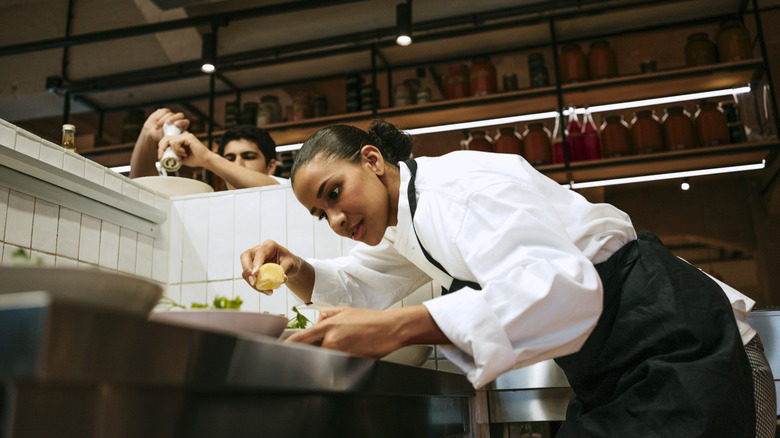
One of the most common and under-discussed tricks of the restaurant trade is the covert inflation of ingredient quality through descriptive language. Menus often depend on terms like 'wild-caught,' 'organic,' 'locally sourced,' or 'truffle' to boost the appeal of a dish. But those descriptions don't always reflect what lands on the plate. "Menus sometimes use terms like 'wild-caught' when it's actually seafood that's farmed," restaurant critic Marie explains, "or 'truffle oil' that's nothing more than synthetic aroma infused into olive oil." Such labels can render the dish sound more decadent, artisan, or worth the markup, even when the reality is far more ordinary.
While not all mislabeling is actively deceptive, the effect is the same: diners are made to believe they're paying for something of quality. As Marie explains, "It's not always malicious, but it is misleading. Diners place trust in a menu's language, and when words are misused, that trust is compromised." For restaurants, the temptation to use high-flying language is strong, especially in a competitive market where the presentation can make or break a first impression.
This slight deception passes undetected since diners are not necessarily examining it closely. The average guest is not fact-checking seafood categorizing or verifying whether the truffle infusion is natural or synthetic. But collectively, such hype contributes to a dining culture where illusion is the norm. Since transparency is so vital to hospitality, menu language needs to be held to the same standard as the food itself.
Sneaky service fees
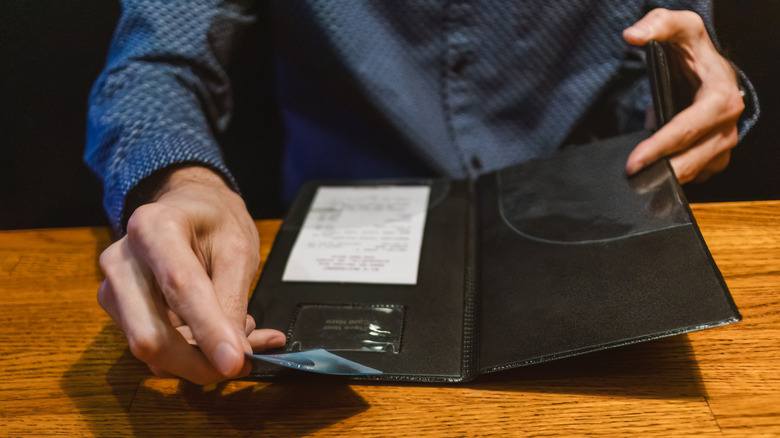
Sneaky service fees are an increasing irritation between restaurant patrons and restaurants. Those are the vague, undefined fees that sneak onto the back of a check. You'll see words such as "kitchen fee," "venue surcharge," or simply "service fee" without any explanation of what was paid for. While some restaurants use them to help offset higher costs or pay workers more, the problem is that there isn't sufficient disclosure. Diners only find out about the fee after the bill comes, and by that time, it is too late to object and it can feel embarrassing to inquire.
"It's downright shady!" argues Marie. "Guests don't object to supporting staff wages or fair practices, but when it's not done transparently, that's when it becomes a problem." Rather than including the cost in the menu or making it known beforehand, some restaurants bury these fees in fine print or hide them behind ambiguous tags. The result is confusion and a nagging sense of being ripped off, even if the rest of the meal was wonderful.
Marie holds that honesty is not something to be negotiated. "A line item labeled 'service fee' is deceptive. If a restaurant believes the surcharge is justified, it should be disclosed and explained up front. Anything less is a breach of transparency." Sneaky or mandatory service charges place customers in the position of having to work out the difference between normal procedure and opportunism. While customer service is all about being more ethical and customer-centric in this industry, honesty about price is as considerate as it is essential.
Fake scarcity tactics
Creating a sense of urgency is an old sales tactic, and the culinary industry has taken it on with increasing finesse. One of the more manipulative methods is manufactured scarcity. Think things like letting diners know that there are limited quantities of a dish or labeling offerings as "limited-time only" when they're not. This kind of fake exclusivity is designed to guilt customers into ordering in a hurry, or else they'll lose out. It's not necessarily overt, but it's effective.
"Absolutely," responds Marie, when asked whether artificial scarcity is being manipulated to pump up demand. "The illusion of scarcity — 'only three orders left' — is a classic marketing device." It works well in restaurants that cultivate an aura of prestige or trendiness. People will be more likely to order what seems to be rare or vanishing. This is especially true if it adds to the impression that they're in the know or getting something exclusive.
Yet Marie makes a crucial distinction between gimmick and craft. "True scarcity is born of craft: dishes requiring intensive preparation or seasonal ingredients." When limited availability is grounded in effort or seasonality, it has meaning. But when it's purely psychological — a prompted message from a server, or a fake stock countdown on a website — it crosses into manipulation. For diners, the issue is being able to tell the difference. Restaurants employing artificial scarcity are prioritizing pressure over authenticity, and that erodes trust. Scarcity, if real, enhances a meal. If manufactured, it devalues the experience, no matter how convincing the delivery.
Flashy presentation to mask subpar food
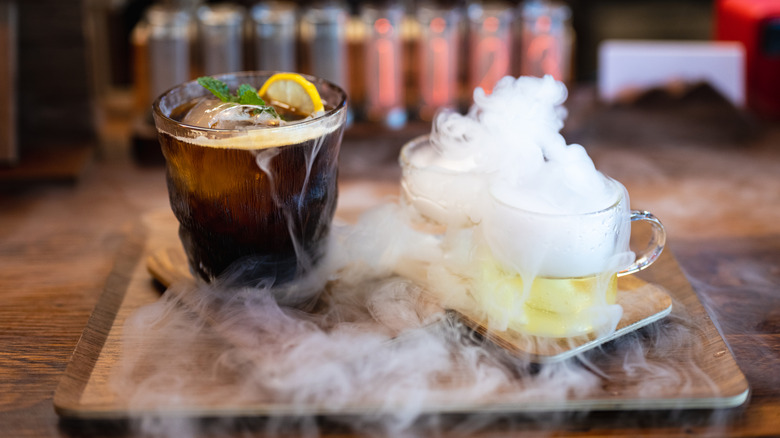
Mountainous garnishes, edible flowers, gold dust, even a cloud of dry ice smoke are just some ways establishments create a spectacle to nail that first impression. But in some restaurants, the theatrics are not merely show — it's being used to distract from what's lacking on the plate. As visual aesthetics becomes an ever greater influence on how and what we eat, some restaurants are using presentation as a substitute for disappointing, under-seasoned, or otherwise unimpressive food. It's gotten to the point that too much flair is a bit of a red flag about what the meal or drink is going to taste like.
"Let me give my take on it...presentation should amplify a dish's taste, not disguise the lack of it," adds Marie. It's a good point. A thoughtful presentation can elevate a great dish, emphasizing texture and creativity. But when the experience stops at the visuals (and when the food looks better than it tastes), the showmanship begins to feel hollow. Diners may leave with great photos, but not much else.
In an Instagram-fed restaurant culture, presentation is everything. Plates are created with the eye, not the tongue. Of course, artful presentation is often a good thing, but when the intention is to distract you from dubious quality, it's an issue.
Ingredient swaps and optional add-ons'
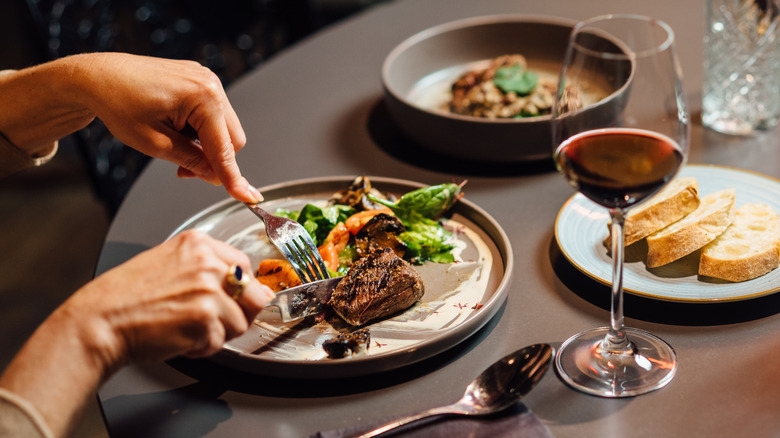
One of the most touchy subjects is ingredient substitution. Kitchens sometimes use stealth substitutions of high-quality items with cheaper items, and the creeping trend of "optional" add-ons that don't feel so much optional. These techniques are not always explicitly shared, and unless you're very knowledgeable about the ingredients, you might not even notice until halfway through the meal, if at all.
Replacing premium items with cheaper alternatives is likely the most stealthily deceptive restaurant tactic, according to Madame Marie. Try grana padano instead of Parmigiano-Reggiano, or white tuna in place of escolar. Many will think they're the same thing, but more discerning customers will see that the switch allows restaurants to economize without raising menu prices. The meal is still high-end-looking, but value's not exactly what it seems.
Add-ons pose a different type of issue. Marie points to the proliferation of dishes that seem incomplete without expensive augmentations: "And then there's the creeping expansion of "optional" supplements that feel anything but optional." A $19 burger that is incomplete until it can be beefed up with a $4 cheese add-on, or a $20 salad that seems flimsy without a protein upgrade, puts patrons in a dilemma. You either settle for an under-optimized version of the dish or pay extra to "finish" it. These behaviors might not be a full scam, but they quietly turn your meal into an upselling experience. "These practices erode integrity in ways that often escape immediate notice," Marie adds.
Online review manipulation

In an era where online influence can make or break a restaurant, internet reviews are perhaps the most powerful tool in building public perception. A positive five-star rating can bring in hordes, and a few dissenting one-star ones can send them running. But as influential as these ratings are, they're not always what they appear to be. Some restaurants have begun actively creating their online images — sometimes covertly, but not always.
"The digital marketplace rewards perception as much as execution," says Marie. "Offering freebies for glowing feedback compromises the authenticity of a restaurant's reputation." Those incentives are in all forms: free dessert for a five-star Yelp review, a discount to anyone who reviews positively on Yelp, or even quiet solicitations from staff to "mention their name." The goal is to bury the algorithm under a mountain of flattery, regardless of whether it's for the experience or not.
It's a bit of high-tech self-promotion, and although not illegal, it muddies the waters for consumers trying to make an educated choice. "In an age where algorithms shape appetite, such manipulation is a sophisticated form of self-promotion." For the typical consumer, it's become increasingly impossible to distinguish genuine enthusiasm from false hype. That's what is so troubling about this practice of reducing word-of-mouth from an authentic exchange to an expertly crafted marketing tool. The lines between genuine recommendation and image-making are blurred. How often have you seen food reviewers and restaurant critics beloved simply for the fact that they don't mince their words?
Unverified sustainability claims
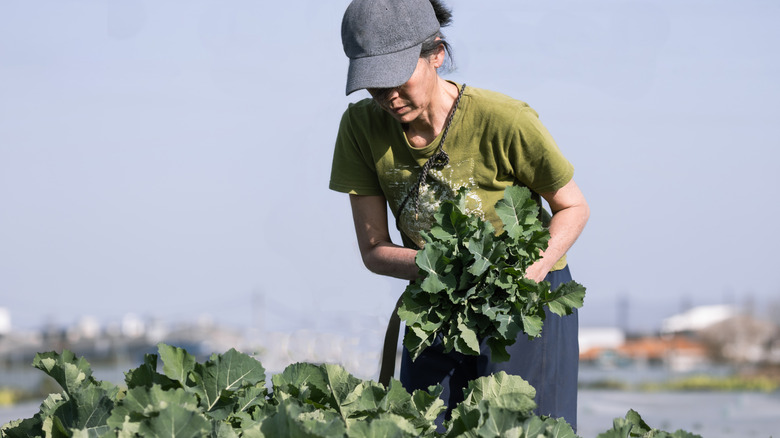
In the last few years, sustainability has been a tremendous draw in the restaurant business. Customers are more and more curious about where their food comes from, how it was produced, and whether the business model behind it is something they can support. Because of this, numerous restaurants have embraced buzzwords like 'local,' 'organic,' and 'sustainable,' but not everybody backs them up with facts.
"Yes, 'sustainable' and 'local' have become culinary buzzwords," Marie writes. "Authentic sustainability demands traceability and accountability — far more than what's listed on a menu in many cases." It's straightforward to purchase from local farms or send food scraps to the compost bin. It's a different story altogether to use the lexicon of sustainability without the labor, banking on the fact that most people won't look closer.
Marie recognizes that the lack of corroboration is what makes these assertions so slippery. "Increasingly, diners are scrutinizing these claims, and restaurants that cannot substantiate them risk not just criticism but credibility." The problem isn't that sustainability is being promoted, it's that it's being made into merchandise. When restaurants use these terms loosely, they dilute them and make it harder for truly responsible companies to be showcased. For consumers, it creates a frustrating disconnect between intention and result. Without disclosure (visible sourcing information, supplier names, visible sustainability efforts), terms such as 'ecological' and 'ethical' are mere empty words. Until restaurants are subject to higher expectations of evidence, greenwashing will be on the entree menu.