

16 Ingredients That Will Elevate Rice Pilaf

Rice is a staple dish in many households and cultures around the globe. But we want to specifically highlight the satisfying versatility of rice pilaf. The thing to remember is that rice pilaf isn't simply a dish, it's a cooking method. Generally, this plate differs from your standard rice because the grain is first toasted in a pan, usually an oil or butter, to give it added dimension, flavor, and color. Keep this step in mind throughout the article. But we're not here to give you a cooking lesson on the dish; instead, we want to help you make your rice pilaf the best it's ever been.
As luck would have it, this is quite easy to achieve based on what you put in it. There are more pilaf recipes and add-ins than we could count, but we wanted to compile the absolute best items that will elevate your rice pilaf. Some of these are common cooking ingredients that make a lot of sense, while others are a little more whimsical, flavorful. We will cover why the component makes a fantastic addition to your next pilaf, but if you need particular cooking instructions, you may need to find a designated recipe — don't worry, there are plenty of recipes with each of these components. And remember, you can always combine components; you aren't obligated to use the one we suggest. Pilafs are known for bursting with flavors and textures, so multiple ingredients are your friends.
1. Broth
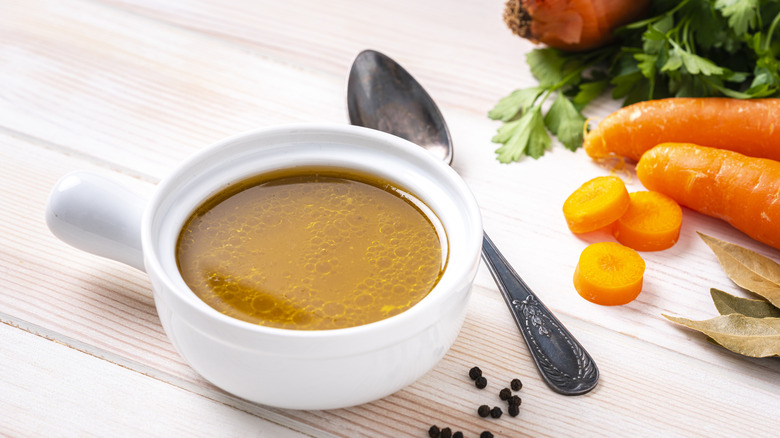
One of the core essentials of creating a pilaf is the liquid cooking base (but that is vital for any kind of rice dish). Of course, you can use the convenience of water; it is essential on Earth for a reason. However, if you want to jazz up the flavor aside from any other ingredients you ultimately include, it doesn't hurt to cook your rice in a flavorful broth. This can be vegetable, chicken, beef, or whatever kind of rich and flavorful liquid suits your fancy. You may want to pick the broth based on successfully pairing it with any add-ins (ground beef with beef broth, for example).
The only thing you have to be aware of is the salt content, as broths are often pretty salty. You may need to adjust the salt used in the dish, or you can use low-sodium or sodium-free broth. Homemade or store-bought broth works perfectly fine. Our garlicky rice pilaf recipe uses a vegetable broth base to heighten the flavor in a way that water alone simply can't do.
2. Saffron
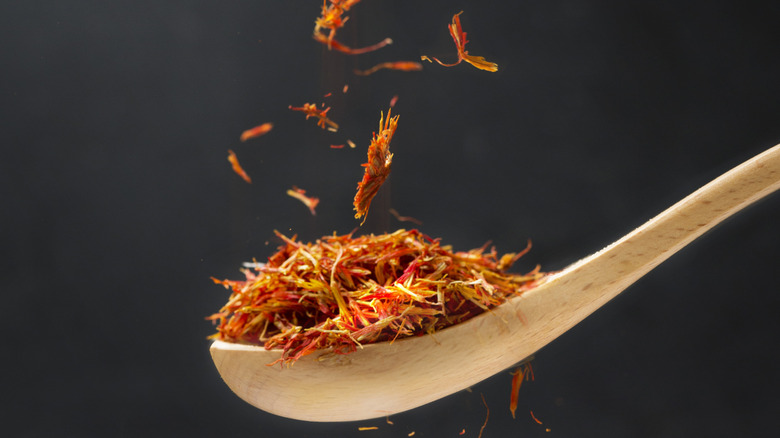
One of our favorite ingredients to include in any rice dish, pilaf included, is saffron. It adds a touch of color, a hint of flavor, and fragrance. Some might find it undetectable, while others immediately notice its flavor. Saffron is the world's most expensive spice, so luckily, you don't have to add heaps of it to get the desired results. For one cup of uncooked basmati rice (which will yield around three cups of cooked grain), you will need about a ½ teaspoon of saffron threads, but this is for a saffron-forward rice pilaf, which features the spice prominently.
Make sure you get the most out of your saffron by allowing it to bloom. You can do this by grinding it in a mortar and pestle and placing it in hot water, or you can let it bloom over ice, although this takes a little bit longer. The saffron provides a floral note, but not as flowery as lavender; it's more earthy and muted. Use this ingredient when you want to impress your guests (and yourself). It pairs wonderfully with other items in this list, including almonds and pomegranate arils.
3. Garlic
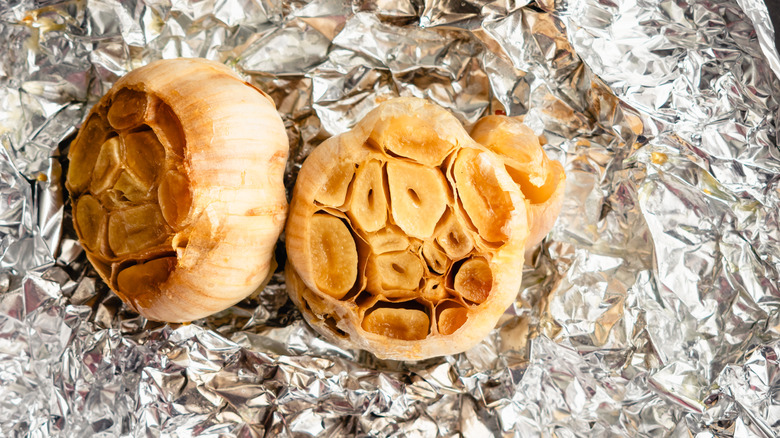
Garlic can improve virtually anything it touches, so it's a no-brainer to use it in pilaf. However, you don't have to stick with plain, old minced raw garlic as your add-in. Consider bumping it up a notch with caramelized garlic; it's a unique method, but it offers a more flavorful garlic boost for pilaf dishes. To do so, you simply need to roast the garlic in the oven. This gives it a deeper flavor than the astringency associated with raw garlic. It also brings out a touch of sweetness, which can truly transform your rice into a restaurant-quality meal that will leave people asking for your recipe. Chop the roasted garlic and incorporate it into the rice after it's cooked and nearly ready to be plated.
For another method, sauté the garlic (along with onion, if desired) and then mix it in with the toasted rice before cooking. This brings a rich flavor that acts as a base — you can add other elements, such as parsley and lemon juice, or even veggies like diced bell pepper and tomato.
4. Fenugreek greens
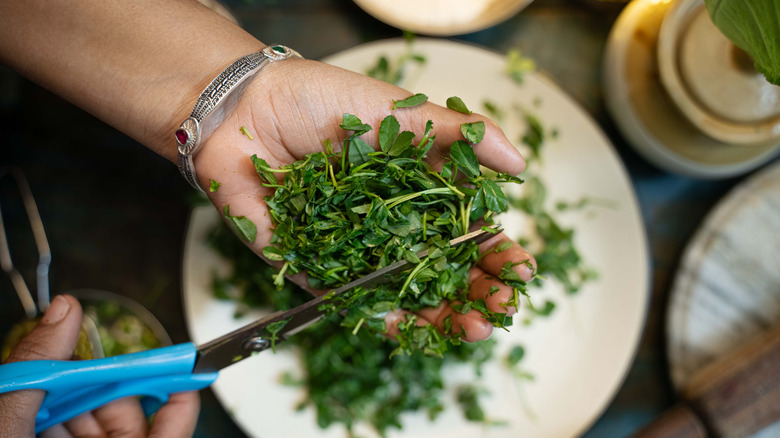
Bring a taste of aromatic, delectable Indian cuisine into your kitchen with a fenugreek pilaf. This dish is called methi chawal, as methi is fenugreek. This is the perfect pilaf to make when you want to show off; it's incredibly flavorful and beautiful to look at with the dark green fenugreek. You will often see the fenugreek leaves and rice combined with other fragrant inclusions like cumin seeds, garlic, garam masala, or dried red chilis, among others.
The flavor will never lack with this tasty green as an enhancement. Double up on the fenugreek, if preferred, by also using the seeds in the dish. This addition offers a complex profile and crunchy texture, although the latter isn't too noticeable because the seeds are so small. It's similar to eating a fennel seed, where you know it's there and it offers its flavor and texture, but it's not overpowering. Give fenugreek greens a try next time!
5. Lemon
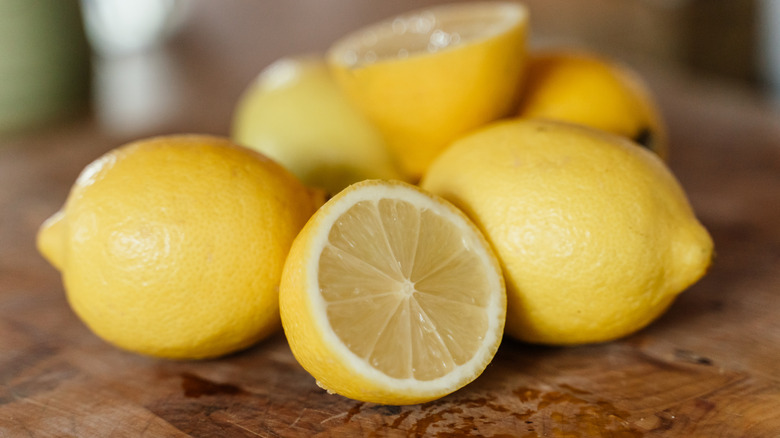
We love the shining flavor that lemon provides to pilaf dishes. It's a highly versatile ingredient to incorporate in your food because you can use the juice, zest, or even place a fruit slice on your dish when serving. However, you have to consider the approach because you don't want to just place a whole lemon in your rice dish to cook — it doesn't really work like that.
First, you can incorporate the juice during the cooking process (along with the broth or any liquid you use to cook the rice). If you want a more lively and fresh note, add the juice once the dish is already cooked. The zest is also fantastic to add during cooking to infuse the entire meal with tangy freshness. Our lemon rice pilaf features a lemon trio of zest, juice, and a lemon garnish, along with vegetable broth and a couple of other ingredients to elevate the pilaf that we will mention later. It's filled with fragrant lemon, dill, parsley, cumin, and other flavorful components.
6. Orzo
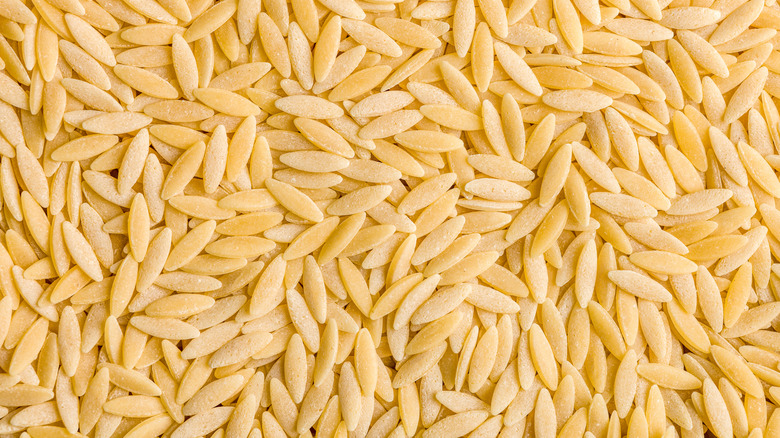
Mixing carbohydrates isn't a new concept in rice dishes, but it can be the ingredient to give a run-of-the-mill pilaf a new life and added texture. Toast the orzo first until it turns a beautiful brown color, then add the rice to toast too. The toasting process brings a richer, almost nutty taste to the orzo and transforms the color into a deep brown to give the pilaf a two-shade tone. Orzo is not a grain (like rice or quinoa), as you might assume; it's technically a pasta that's made with semolina flour, so it also brings a different flavor profile to the dish.
As for added ingredients and seasonings, we have a few ideas to get a flavorsome meal. For a fragrant and herby dish, add a bay leaf and thyme to your broth to allow the rice and orzo mixture to absorb the flavor during the cooking process. Or try adding paprika for a delicious spiced note, that's flavorful but subtle enough that it won't overpower the dish. Add freshly chopped parsley and swirl it in for mini bursts of green throughout.
7. Dill
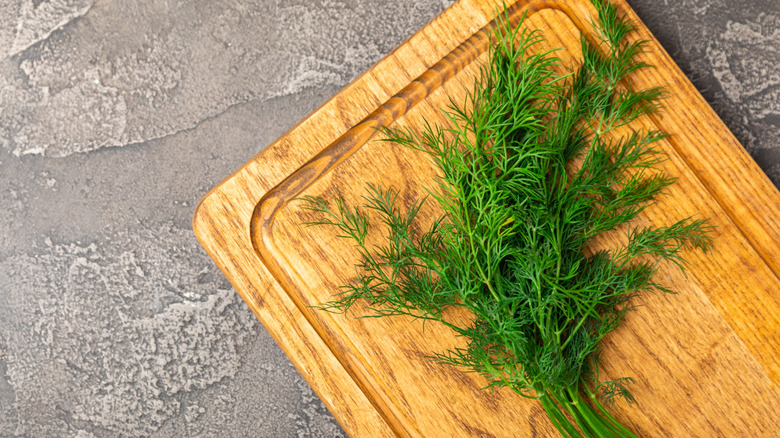
Dill is one of our favorite herbs because it works in hot and cold dishes and brings a noticeable flavor to everything it touches. Dill is very common in Persian dishes, and you will find it in many Persian pilafs. Actually, several of the ingredients on this list are must-have ingredients for Persian cooking and frequently used in Persian pilafs. We love sabzi polo, which uses multiple fresh green herbs, fresh dill, parsley, and cilantro, for example, to create an herby rice dish. Here, we use the three herbs' leaves as well as the stems to get as much flavor as we can. It's uniquely colored, completely covered in greens to thoroughly improve your meal.
If you prefer something that isn't as heavily herbed, omit the other herbs and use a smaller quantity of dill. Consider a dried dill and pea duo for a green-infused dish that still lets the rice remain the focal point of the pilaf. Try adding shredded carrot toward the end of the cooking process to further enhance the color and flavor.
8. Avocado
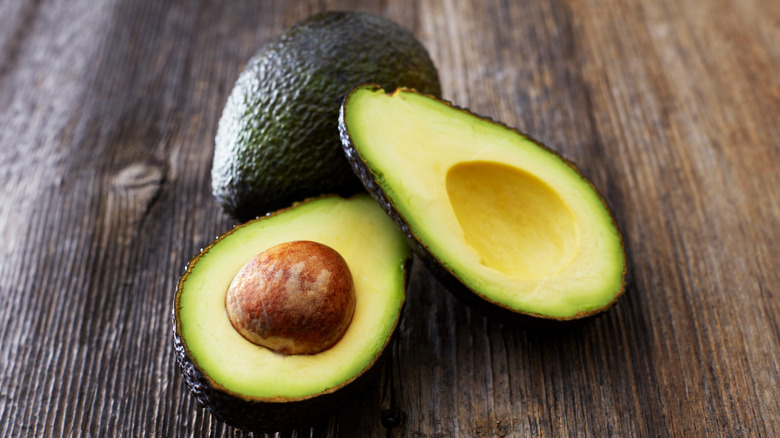
Avocado in pilaf? Why yes, and it's incredible. However, we aren't mixing it in and cooking it as the rice cooks; it gets added as a sauce at the end. Avocado creates a vibrant focal point while also providing its classic buttery, creamy texture. This is ideal when you want to give your rice and fatty mouthfeel and richness. We suggest whipping up a batch of vegan cucumber avocado rice pilaf to leave your family in awe.
It's like a green overload with the two titular ingredients (used both as a garnish and as a blended sauce), plus chopped cilantro. This is as refreshing as a pilaf dish can get, which is a prime pick when you don't want the heaviness of other add-ins like lamb or orzo. This is light and delightful, but still wholly satisfying, considering avocado is filled with nutrients like healthy fats, fiber, vitamin C, vitamin K, folate, and plenty of other goodies. This is a grand dish to serve on those hot summer nights.
9. Dried fruit
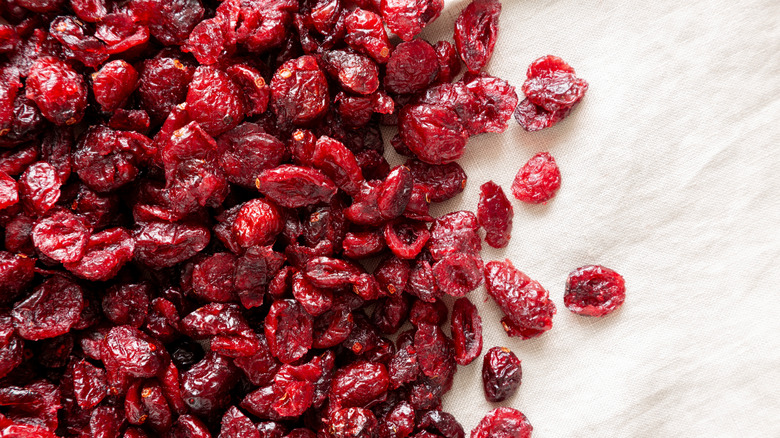
At first, the thought of sweet dried fruit in your rice pilaf might sound odd, but it's incredible. Plus, there are plenty of fruits to toss in your dish to give it a boost in flavor, texture, and appearance. Chopped dried apricot adds a unique, slightly chewy but quite sweet note to your meal. Or try using dried cranberries or cherries for a tangy and sweet addition that isn't cloying. These fruits pair well with the earthy, sweet notes of saffron, and the reddish-orange hue the flower stigmas create slightly matches the cranberry or cherry itself.
You could stick with one of the more familiar dried fruits seen in savory dishes (such as chicken salad), by using raisins. If you don't like or want to use saffron, you can get a similar hue by incorporating turmeric. You don't have to stick with standard raisins either. Try using golden raisins to incorporate a lighter color into the mix. Top with parsley for color and slivered or whole almonds to add a scrumptious and nutty crunch. Dried fruit may just be your new favorite addition for impressive pilafs.
10. Nuts
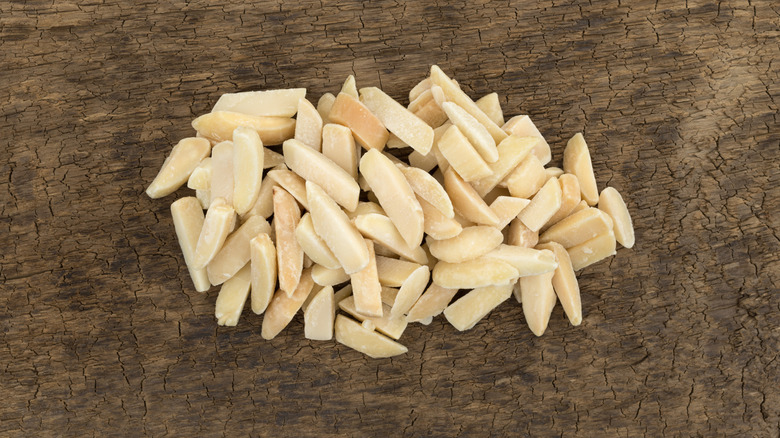
We've mentioned almonds a couple of times so far, as they make a delightful mix-in to your pilaf. It becomes a crunchy garnish when you want to improve the texture beyond the soft, chewy bite of the rice itself. But almond isn't the only nut out there that works with the dish. Walnuts or pecans can add life to your rice dish, too. Integrate walnuts with raisins for a sweet and crunchy duo.
Pistachio is widely used, particularly in Persian dishes. They add a stunning pinkish-green hue that you can't replace with other nuts. Pistachio pairs nicely with another item on our list: saffron, as well as spices like cinnamon, turmeric, and even sumac. Nuts are a scrumptious pick to elevate pilaf, whether you want to leave the nut whole for a more obvious crunch or prefer sliced or chopped to an evenly dispersed bite is up to you. Toast the nuts in the oven or stovetop for enriched crunchiness and nuttiness.
11. Green beans
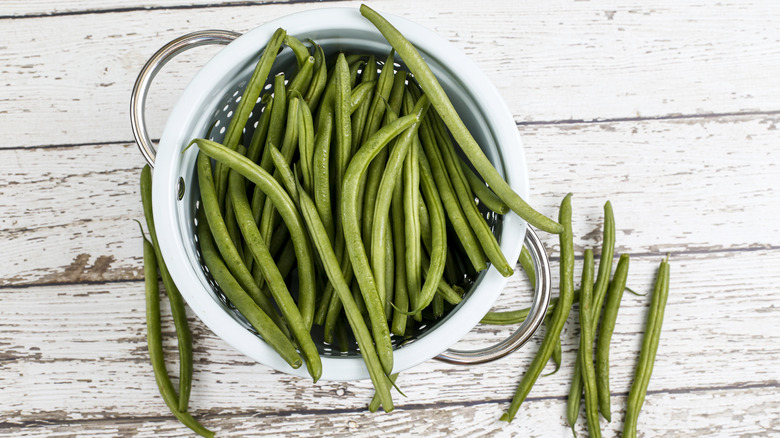
Brighten up your pilaf with scrumptious green beans. This is one of our favorite additions to the rice-based dish because it's versatile, pairing marvelously with whatever else you want to add in. Leave the beans whole or cut them into smaller pieces. Whole beans can easily be plated and dispersed per person, while the chopped pieces are amazing when you want them fully incorporated into the dish.
We love how tender they get after cooking with the rice. It goes well with rice and corn for a vegetable-loaded pilaf that essentially doubles as a carb and veggie side dish simultaneously; this can save you time if you've got your hands full with a multi-step dinner. For a savory, meaty addition, mix cooked bacon into your meal. Add the chopped meat into the rice once the water or broth is fully evaporated. This allows the flavors to meld into the rice without having it get soggy, sad, and limp from boiling in the water.
12. Chicken
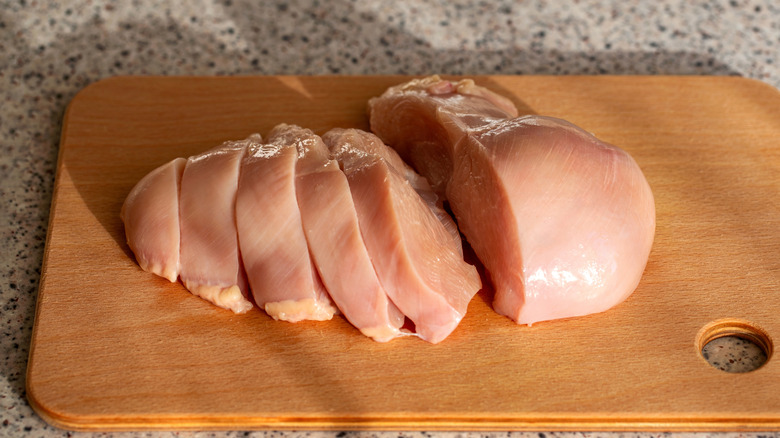
Aside from the bacon we just mentioned, we haven't covered adding meat or protein into your pilaf. Although you can truly add just about any meat you want, such as ground lamb or beef chuck, we wanted to specifically highly chicken. This bird may be a tad bland on its own, but it can be an all-star ingredient for pilaf. Chicken is a terrific option when you want to enhance your dish with added protein to make it more hearty and filling for your family or guests.
It works well in pilaf because it's so adaptable; you can season it in any which way and blend it with other scrumptious add-ins. Consider cooking your rice in chicken broth to double up on the chicken-y goodness. Chicken works with elements like garlic, carrots, and onions for a truly pleasing dish. The thing with chicken, though, is that you have to brown and partially cook it prior to adding it into the rice; this way, you ensure it's finished cooking (and is fully cooked) while it's simmering with the rice.
13. Leeks
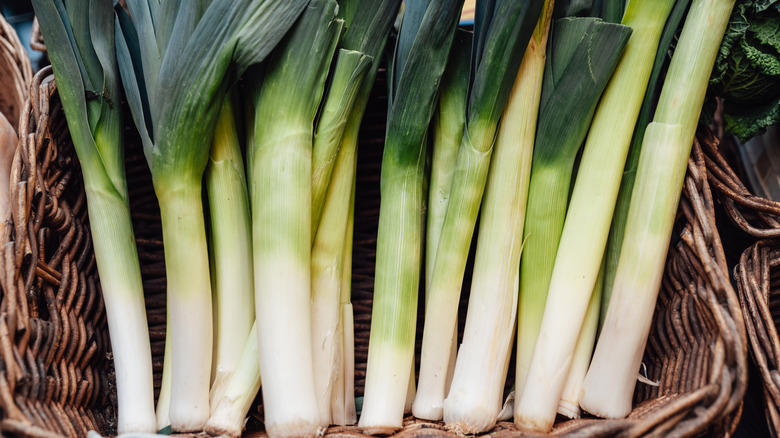
We think leeks are an underrated vegetable, but they deserve to share the limelight with their relatives, onion, and garlic. Leeks have a thicker leaf that might make it seem intimidating, but they are highly versatile and have a comparable taste to a mild onion. There are plenty of delicious leek recipes to consider making, and among the many is a leek rice pilaf. You only need to prepare the leek by trimming the tough leaves and then cleaning in between (much like you would a head of lettuce), to guarantee there is no hidden dirt or bugs.
Give the leek a quick sauté, but if you want a richer flavor and color, continue cooking it until it gets some brown on it. After that, it's time to add the rice. The leek addition almost looks like herbs, spinach, or scallions at first glance, but you'll get that delicate onion-like taste that lingers on the tongue. Use minced garlic and onion to create an extremely flavorful allium trio pilaf.
14. Mushrooms
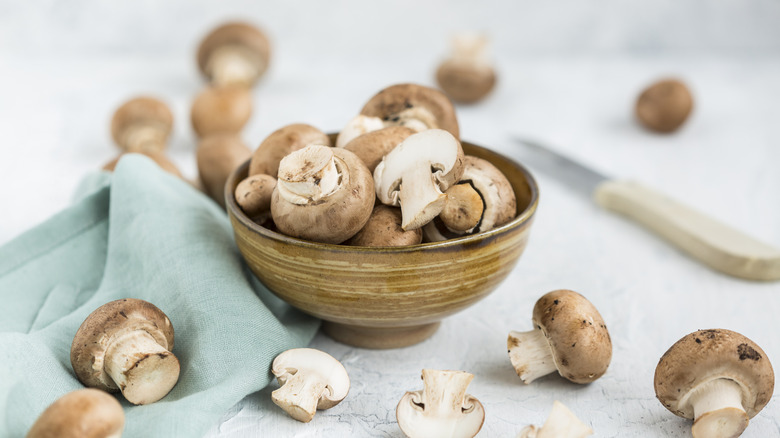
Bring an earthy note to your rice dish with the addition of diced mushrooms. You can do sliced, chopped, quartered, or whichever technique you like. Ultimately, it depends on the texture you want and how noticeable you want the fungi to be in your rice. Smaller pieces can incorporate into the rice better, especially if they're similarly sized to the grain, while large chunks are more apparent with a slightly chewy quality — anything works here.
The world is your oyster (mushroom), too. Feel free to use your favorite type of 'shroom in this dish, whether that's button, oyster, shitake, or something else. We love crimini mushrooms because they are firm and meaty. Whichever you end up incorporating into your dish, just make sure to thoroughly wash them; they tend to house a lot of dirt and sometimes insects. Give your dish a colorful boost from the sea of brown with a bold parsley or chive garnish.
15. Peas
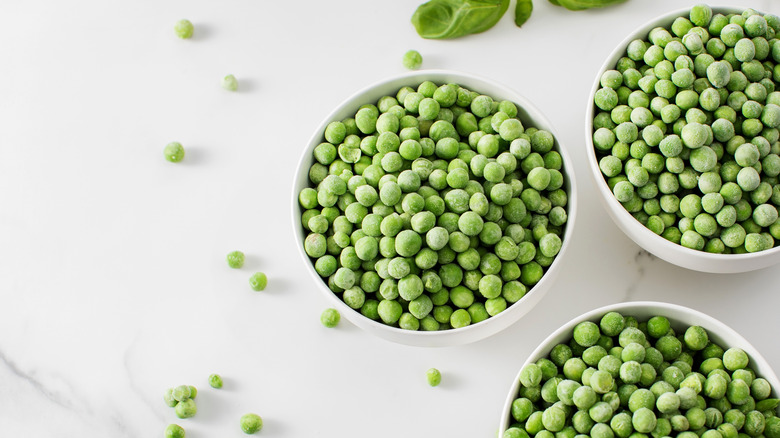
We suggested peas in passing earlier, but it is a truly versatile inclusion for your next pilaf, and therefore, deserves its spot on this list. It is multidimensional because it adds a pop of color, a burst of texture, and then the earthy, slightly sweet taste into your rice dish. It is the ideal ingredient when you want to elevate your dish with minimal effort.
You probably have a freezer-burned pack of peas in the back of your freezer or a can tucked away in your pantry; either of these works for rice pilaf. Peas are one of our top choices for pilaf because you can use them by themselves or combined with other ingredients, which results in a colorful, scrumptious side dish. Try it with green beans or cubed carrots. It also works agreeably with various herbs and spices like dill, mint, parsley, Aleppo pepper, paprika, or turmeric.
16. Vermicelli
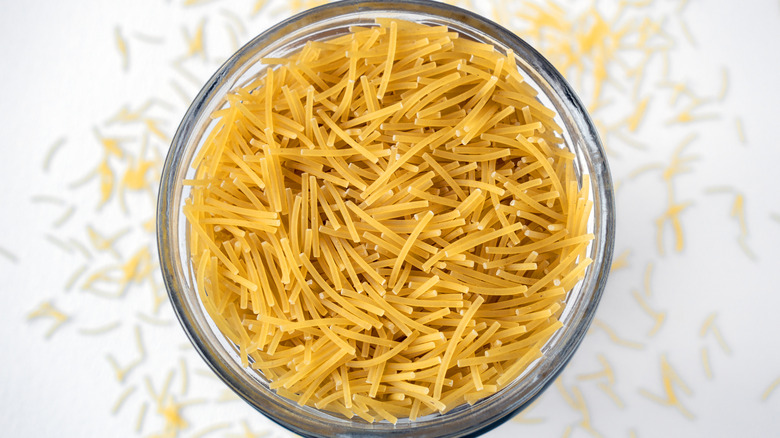
Remember how we said that blending carbohydrates is a popular method for rice dishes (especially when you want to upgrade the appearance of the dish)? Well, we're continuing on the idea by suggesting vermicelli as your next pilaf mix-in. This combo is a familiar favorite in Lebanese cooking. Similar to orzo, you'll want to toast the noodles separately before adding the rice.
The golden brown color offers a stunning contrast to the rice, while the length brings a visual and textural change into the mix. It's a fantastic way to make a large dish, especially if you're running low on rice. It adds volume to the pilaf and can further stretch a dollar, which is always welcome. Incorporate seasonings like cayenne, paprika, and pepper to give it dish a flavor boost and a barely noticeable touch of color. Incorporate nuts like pine nuts or almonds and a touch of parsley to top it all off. We seriously love the rice and vermicelli combination.