

Beginner-Friendly Fruit Trees Your Garden Has Been Needing

The only thing more appealing than a sweet, ripe piece of fruit is one that you grew yourself and didn't have to pay for. While the thought of planting fruit trees and growing your own fruit might seem complicated, there are three fruits that seemingly anyone can grow with ease: apples, pears, and figs.
Apples, pears, and figs come in many different varieties, each with different difficulty levels and requirements for proper growth. As long as you choose a variety that can withstand the growing zone you live in, which you can find on the USDA plant hardiness map, and give it the soil, water, amount of sunlight, and nutrients that it needs, you should have no trouble growing fruit.
Apples and pears do best in colder climates, where they go through a dormancy period when it is coldest outside. Then, when it starts getting warmer, these trees experience "bud break," which is when the change in temperature and sunlight triggers them to produce again. As for figs, the options may be more limited as these trees typically can't handle a freeze and are better suited for warmer climates, aside from certain types, like the Chicago Hardy, which does do well in colder climates.
What to consider before planting fruit trees
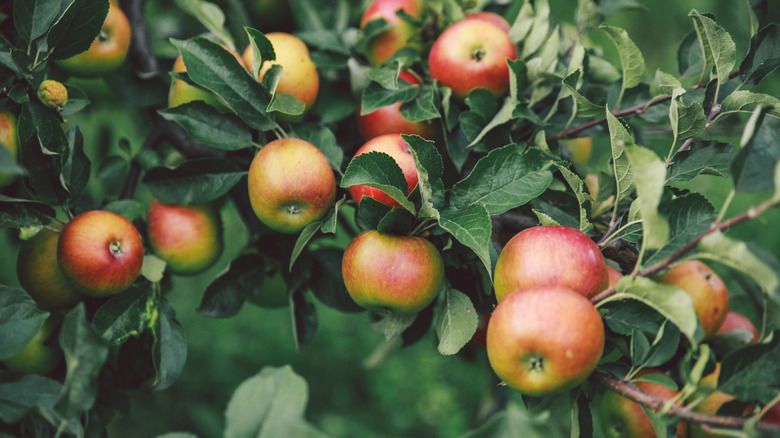
It's wise to look at disease, fungus, and pest-resistant varieties for whichever fruit tree you choose to plant. While choosing a resistant variety won't entirely eliminate these problems, it can make them less of a headache. For example, if you're going with pears, Harrow Delight is blight-resistant, while Bosc or Bartlett, two very popular varieties of pears, can be hard to grow due to their susceptibility to fire blight, a bacterial disease that can destroy the whole tree if not properly managed.
From there, some of the best tips for beginner gardeners are to find the best spot to plant based on sun and shade requirements and ensure that you are using the right soil to keep your tree happy. The best time to plant apples or pears is late fall or winter, while they are dormant, and figs are best planted in spring after the last frost to allow the tree's root structure to form before the hot summer months.
Another important consideration is pest control, as growing fruit can attract bugs in a big way. Whether you want to keep your plants organic or not, there must be a plan to keep critters at bay. Beyond bugs eating the leaves and fruit while it's still on the tree, fallen fruit left on the ground can be an invitation for other animals like squirrels, skunks, raccoons, and birds. Depending on where you live, even deer and bears can pose a problem when they see your fruit trees as their next meal.