

16 Central Asian Foods You Need To Try At Least Once
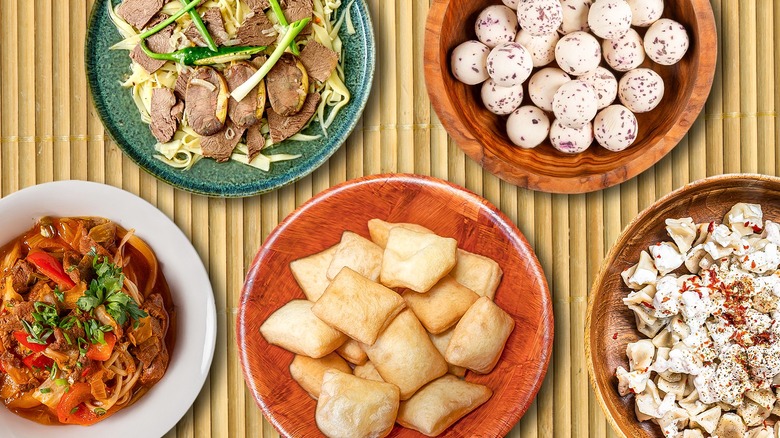
Picture yourself in the vast, open lands of the Eurasian steppes. The grassy, windswept plains stretch farther than the eye can see. Wild horses run freely in the distance. Nearby, a handcrafted yurt is nestled in the earth. You're beckoned to come inside by locals and greeted with a lavish spread: steaming dumplings, colorful rice dishes, dried fruits of all varieties, and shallow wooden bowls of kumis. Welcome to the rich culinary world of Central Asia.
Central Asia refers to five landlocked nations located in the heart of the Eurasian continent: Kazakhstan, Kyrgyzstan, Uzbekistan, Turkmenistan, and Tajikistan. Bordered by Russia to the north, China and Mongolia to the east, Iran and Afghanistan to the south, and the Caspian Sea to the west, the food traditions of this region were shaped by Silk Road trade routes, nomadic life, and centuries of cultural exchange between its bordering countries.
Though many Americans may only know Kazakhstan from "Borat" – a wildly inaccurate portrayal of the country — Central Asia offers a cuisine that is as fascinating as it's unfamiliar to Westerners. From rich meat dishes like horse and lamb to dumplings, plov, and hand-pulled noodles, Central Asian food reflects a blend of influences from Turkey, China, Russia, and beyond. Keep reading to learn more about the region's underrated cuisine that deserves a spot on every world traveler's bucket list.
1. Lagman
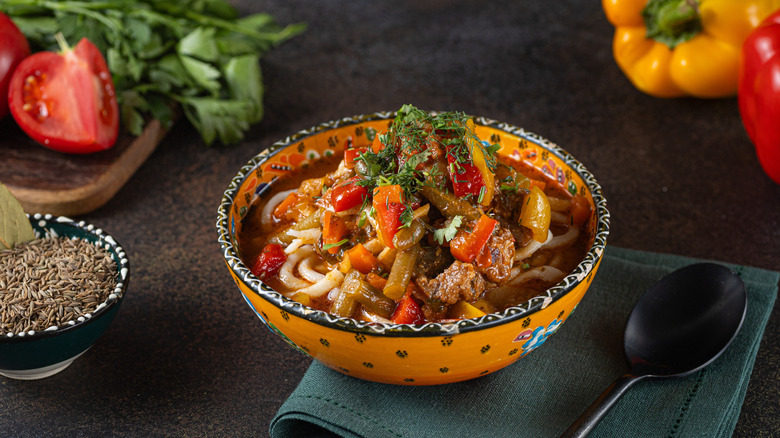
Lagman is a widely beloved dish throughout Central Asia and its neighboring countries. Similar to ramen, this hearty noodle soup is packed with tender slices of beef or lamb and a colorful mix of vegetables like onions, carrots, tomatoes, and peppers. It's usually served in a rich broth, although you can sometimes find stir-fried versions. What unites every variation is the chewy, hand-pulled noodles, made from scratch and cooked separately for maximum texture.
Originally a Uyghur dish from Northwest China, lagman spread across the Silk Road into Kyrgyzstan, Uzbekistan, Kazakhstan and beyond. Its roots in travel and trade are reflected in a popular folk legend about the origins of the dish. Once upon a time, three hungry merchants met on the road, each carrying only part of a meal: meat, vegetables, and a kazan, or cooking pot. One of them, trained in the culinary arts, combined all the ingredients they had to create the legendary dish.
Making lagman from scratch is a labor of love, especially if you're pulling your own noodles – each part is cooked separately and assembled together at the end. But the result is a showstopping dish sure to satisfy anyone who eats it.
2. Plov
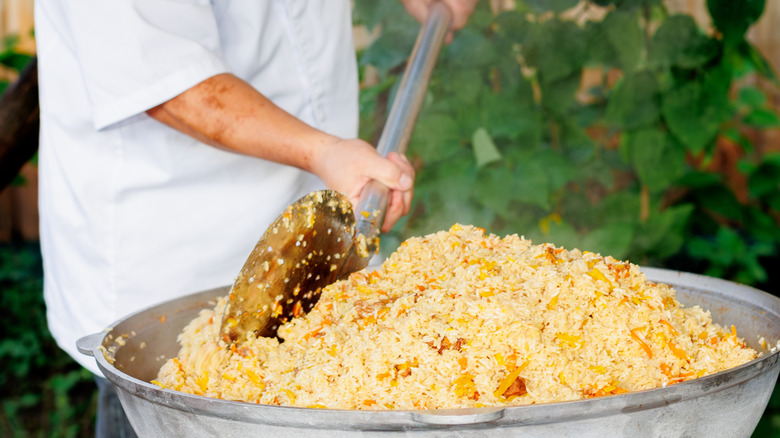
You might think you know rice pilaf, but in Central Asia, plov is no ordinary side dish. Known by many names (osh, palav, pilaf, or polo), this rice dish is a hearty, one-pot meal typically made with lamb or beef, carrots, onions, garlic, and spices, all cooked in a precise order to keep each grain of rice perfectly separate.
The cooking method behind plov dates back centuries. According to legend, when Alexander the Great passed through Central Asia in 4th century B.C., his army encountered early versions of pilaf in regions of Central Asia. They were so impressed that they brought the recipes back home to Macedonia, helping to spread the dish across the ancient world.
Plov is recognized by UNESCO as a national dish of Uzbekistan and Tajikistan, and its cultural importance can't be overstated. At the center of any grand gathering stands the oshpaz, or master plov maker, who can cook enough to feed hundreds or thousands of guests. Traditionally made by the patriarch of the family, plov is served in massive vessels for weddings and holidays, but it can also be humbly prepared in a Dutch oven for a weeknight meal.
3. Kumis
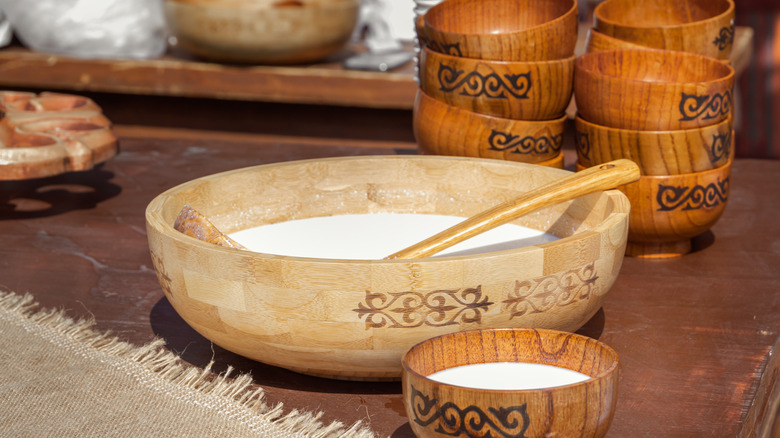
In Central Asia, the best accompaniment to a hearty meal is a dairy product known as kumis. This is not something you'd find in your local dairy section: it's fermented horse milk. Similar to kefir, kumis is a bit fizzy, foamy, and sour in taste. Unlike kefir, kumis is alcoholic, thanks to the unique properties of horse milk.
Horse milk is not usually consumed raw because of its high lactose content; it's significantly higher than cow's milk. Fermenting it destroys the lactose and converts it into ethanol and carbon dioxide. The resulting product is a lactose-free beverage with a natural effervescence and a 2% ABV content.
Back in the nomadic times, herders once tamed wild horses not just for riding, but for milking, too. All it takes is a few hours of churning for the sugars to ferment into this probiotic-rich beverage. Unlike most alcoholic beverages, kumis is actually good for you! Studies suggest kumis may aid digestion, improve immune function, and support metabolism.
Also known as airag in Mongolia, legend has it that Genghis Khan drank kumis before battle. That's not a historical stretch, either — kumis has been consumed in the Kazakh steppe for over 5,000 years. Whether sipped from a traditional wooden bowl in a yurt or a commercially produced bottle, kumis is a unique taste of ancient tradition.
4. Beshbarmak
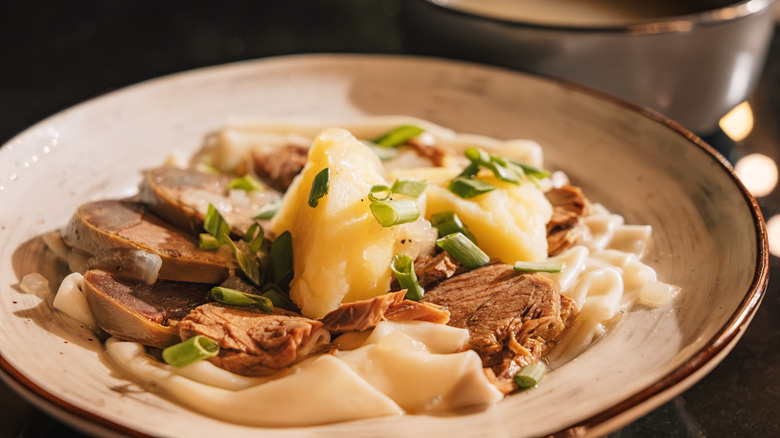
Literally translating to "five fingers" in most Turkic languages, beshbarmak is a national dish of Kazakhstan and Kyrgyzstan and a staple throughout Central Asia. Its name reflects the traditional way to eat it: with your hands. It's more common to eat with a fork nowadays, but the preparation and presentation surrounding it are deeply rooted in tradition.
Beshbarmak is a simple and hearty meal that features boiled meat, usually horse or lamb, served over flat, homemade noodles. Many variations exist depending on the region or occasion, but it's often accompanied by sliced onions, scallions, or potatoes, and a warm bowl of rich meat broth on the side.
The ingredients in beshbarmak reflect a nomadic diet centered around livestock and sustenance. For traditional gatherings, a boiled sheep's head might be included and presented to an honored guest, who ceremonially distributes its parts to different family members, each with symbolic meaning.
Beshbarmak is a dish of hospitality and celebration, often served during major holidays such as Nowruz, the New Year festival that marks the spring equinox.
5. Boorsok
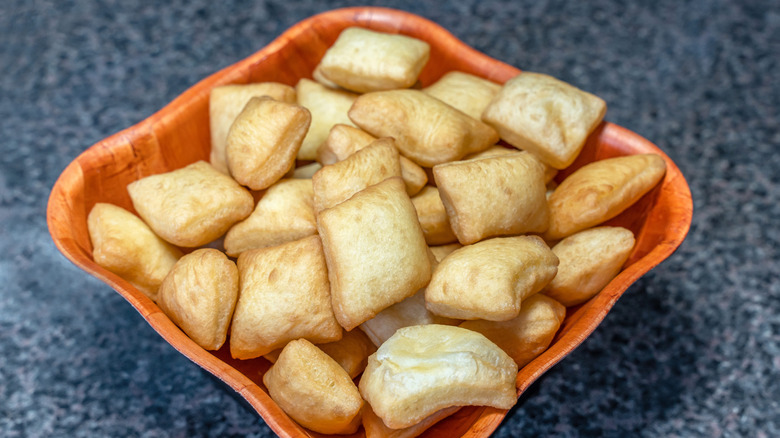
If you like beignets or funnel cakes, then you'll most likely love boorsok. These golden, bite-sized pillows of fried dough are a popular snack across Central Asia and beyond in Mongolia, Siberia, and the Middle East. They're less sweet than American-style doughnuts, but just as scrumptious. Light, fluffy, and easy to eat by the dozen, you can eat them plain or with jam for a little extra sweetness.
The preparation of boorsok varies by region. In Kazakhstan and Uzbekistan, they're shaped into small balls, while in Tajikistan, cooks use a strainer to press a criss-cross pattern into the dough for a decorative touch. In Kyrgyzstan, they're revered as a way to honor the dead. According to local beliefs, boorsok is offered to feed the souls of departed loved ones. The name and shape may differ from country to country, but they're widely beloved as festive and communal snacks.
Boorsok is also a food of celebration. At weddings, holidays, and public festivals, piles of freshly fried boorsok are passed around like candy. On Mother's Day in 2014, a cooking competition in Almaty, Kazakhstan, set a Guinness World record: 856 kilograms (that's nearly a ton!) of boorsok fried in a single day by teams of mothers-in-law and daughters-in-law.
6. Manti
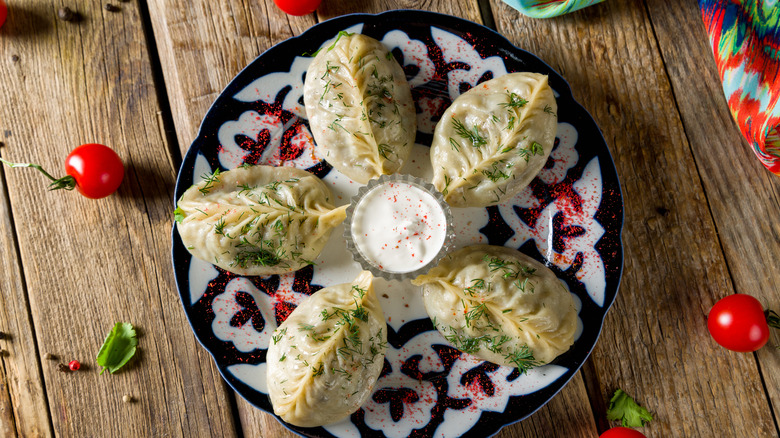
Manti are steamed dumplings filled with minced meat, onions, and spices, eaten throughout many parts of Asia. While Turkish and Armenian manti are known for their small, delicate size, the dumplings found across Central Asia are much heftier and juicier.
To make manti, the dough is first rolled out, filled with a blend of lamb or beef or even pumpkin, and folded by hand into pleats before being steamed to perfection. Though time-consuming to prepare, making manti is a communal activity in many Central Asian countries. Families gather across generations to knead dough, shape the dumplings, and swap stories around the table. It's as much about the process as it's about the tasty meal at the end of all the hard work.
Like many of the traditional foods on this list, manti also holds a place of honor at special occasions. Whether it's a birthday, a wedding, or a holiday feast, no major event feels complete without a platter of steaming manti on the table.
7. Shashlik
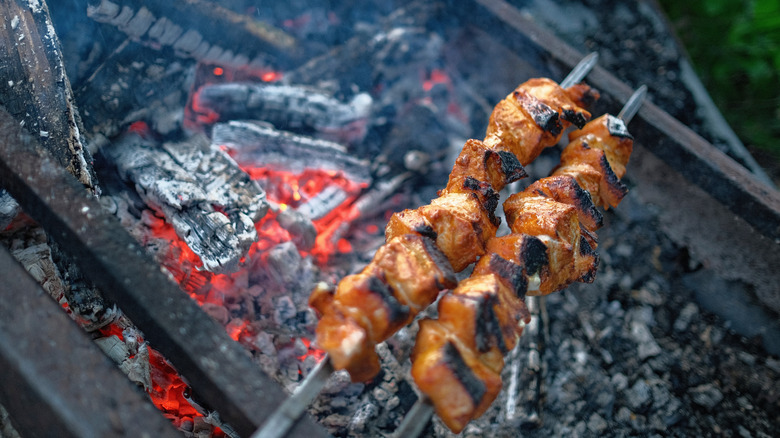
Just like Americans love a good summer barbecue, people across Central Asia and beyond relish shashlik season. These skewered meat kebabs are grilled over flames outdoors and shared with friends and family during spring and summer gatherings.
Shashlik originated in Central Asia and the Caucasus, but it spread far and wide during the Russian Empire and Soviet era. Russians first encountered it during the Russo-Turkish War in the 18th century, and today, it's a staple everywhere from Kazakhstan to Kyiv. It's practically a requirement to have shashlik at a dacha, or a countryside cottage, and enjoy the grilled skewers with vodka or wine, fresh vegetables, and good company.
Lamb and beef are common meat choices, sometimes marinated in kefir or wine, and vegetables and spices are usually added before grilling. The finished skewers are served with raw onions tossed in vinegar to provide a crisp contrast to the meat. Whether cooked roadside, in a backyard, or deep in the countryside, shashlik is both a meal and a cherished activity during the summer months.
8. Samsa
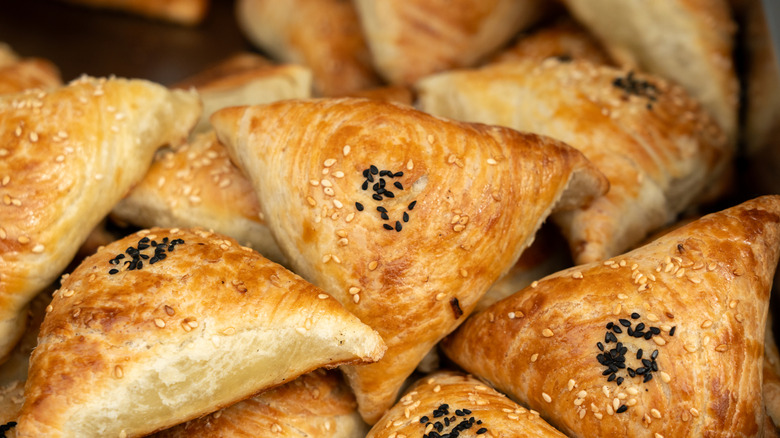
Samsa is a snack found across Central Asia and in the Xinjiang region of China, where it's a popular item for street vendors to sell. As the name might suggest, these hand-held pastries are a cousin of the Indian samosa, but instead of being fried, samsas are traditionally baked.
The dough for samsa is crisp and flaky, forming a golden shell around a savory meat filling. The most common versions use minced lamb or beef mixed with onions and spices like cumin, black pepper, and sometimes coriander. The final product has a rich, juicy center that contrasts with its crunchy exterior.
Similar to traditional tandoor nan flatbreads, these pastries are placed directly onto the hot interior walls of a clay tandoor oven. As they bake, the dough crisps up and takes on a slightly smoky flavor. Vendors or home cooks use long metal tongs to pry them off once they're golden brown.
9. Kurut
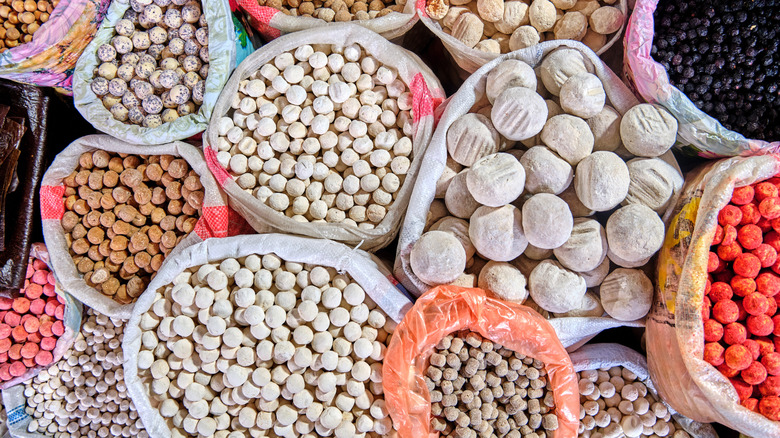
Kurut (sometimes spelled kurt) is essentially a hardened ball of dried yogurt. Believe it or not, this humble little snack has sustained Central Asian nomads, travelers, and shepherds for centuries.
It's something between a salted, dried curd and a hard cheese, usually formed into balls and left to dry in the sun. Invented as a way to preserve dairy during long migrations or trade journeys, kurut is remarkably durable: it resists spoilage, withstands dramatic temperature shifts, and can be stored for up to 7 or 8 years without refrigeration.
Fresh kurut is crumbly and soft, but hardens over time as it dries and becomes coated in salt. Despite the tough texture, its flavor intensifies with age. Its high caloric content makes it ideal for harsh climates and long travels.
Today, it's enjoyed across Central Asia, sometimes as a snack with drinks. One tourist in Kyrgyzstan noted that locals at a pub popped balls of kurut straight into their beers. In Tajikistan, it stars in their national dish, qurutob, a hearty mix of onions and bread served in a yogurt sauce made from rehydrated kurut.
10. Chak-chak
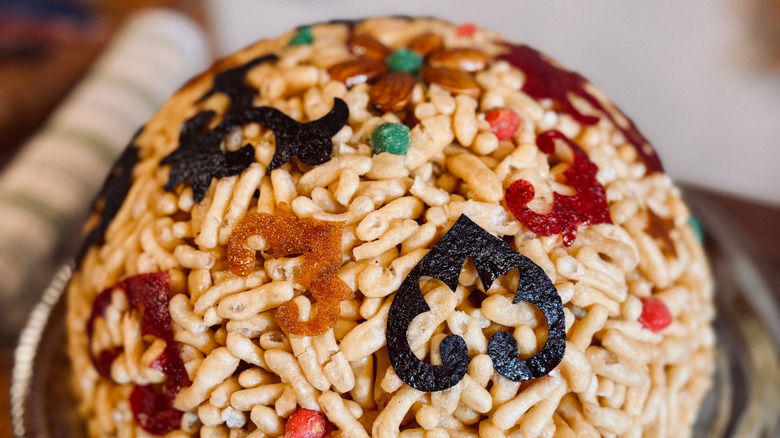
Chak-chak has been described as the Rice Krispies treat of Central Asia. It's a festive dessert made from pieces of fried dough, drenched in honey, and sprinkled with dried fruits or nuts. While it's commonly prepared for special occasions and celebrations, it's just as enjoyable as a casual treat.
To make it, sweet dough is rolled and cut into small noodle-like pieces, then deep-fried until golden. A hot syrup of honey and sugar is poured over the crisp dough, binding everything together. While still warm and pliable, chak-chak can be shaped into balls, pyramids, or pressed into trays and cut into squares.
Chak-chak is a national dish of Tatarstan, a republic in the Russian Federation. In 2018, during the opening of the FIFA Fan Festival, the city of Kazan celebrated with a massive 4-ton chak-chak shaped like a soccer ball. Guests and residents were treated to slices of the record-breaking dessert, personally handed out by the president of Tatarstan.
11. Qazy
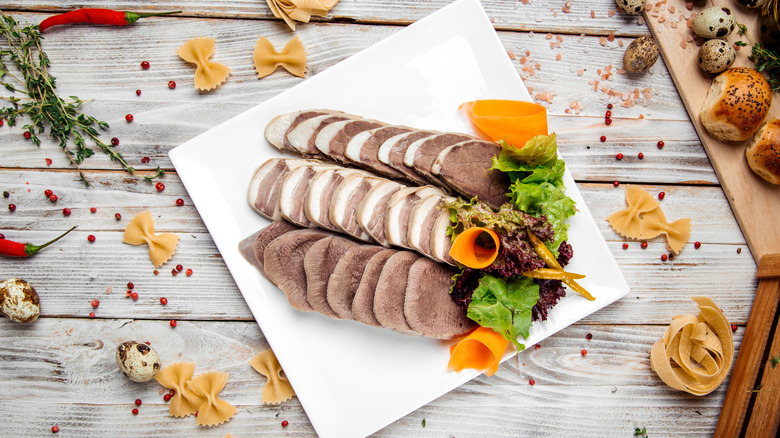
Qazy is a traditional sausage made from horse meat and fat, encased in horse intestines. It's seasoned with a blend of spices like black pepper, garlic, and cumin, then boiled, dried, or smoked depending on the regional style. Usually, qazy is prepared using fatty rib meat, which gives it a rich texture and intense, smoky flavor.
Like many Central Asian foods, qazy has deep roots in nomadic culture. Because it stores well without refrigeration, qazy was often taken on long journeys across the steppe. It retains its nutritional value for extended periods, making it an ideal travel food for herders and caravans.
Qazy is especially popular in Kazakhstan, one of the world's top consumers of horse meat. Though versions of the dish exist across Central Asia, Kazakh cuisine tends to use horse meat more liberally than others in the region. Qazy is usually served on top of celebratory dishes like beshbarmak or plov, but it can also be enjoyed on its own.
12. Irimshik
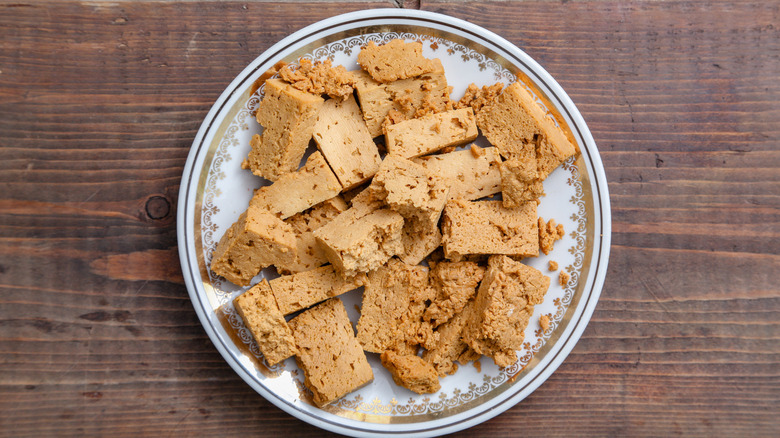
Irimshik is a traditional Kazakh dairy product somewhat similar to kurut, but with distinct regional characteristics and a softer, sweeter flavor. While kurut is widely eaten across Central Asia, irimshik is unique to Kazakhstan.
It's made by curdling milk from cows, goats, or sheep, with the optional ingredients of sour cream. It comes in two main varieties: ak irimshik (white) and kyzyl irimshik (red). Ak irimshik is soft, fresh, and only lasts a few days, while kyzyl irimshik is sun-dried, giving it an orange hue and a longer shelf life, reflecting the nomadic culinary tradition of making long-lasting, portable food.
Unlike cheese in many other cultures, irimshik has a subtle natural sweetness without any added sugar. Its preparation is labor-intensive and slow: the milk is boiled, fermented, boiled again, then strained and pressed in a cloth to remove moisture. The result is a rich, calorically dense product that was perfect for sustaining nomads in the past and remains as a festive traditional snack among modern Kazakhs.
13. Kuurdak
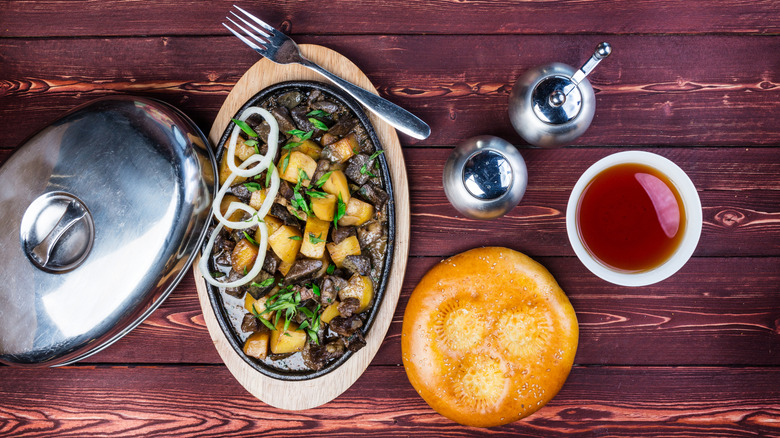
Kuurdak is a simple dish of meat and potatoes. Its name comes from the Kyrgyz word that means "roasted" or "fried," which accurately describes the dish's preparation: mutton, horse, and/or organ meat is simply fried in its own fat. Onions is usually added, and garlic is sometimes included for extra flavor. This savory meal only requires a few ingredients, making it a common everyday meal, while the simplicity and scalability of kuurdak makes it a good choice for large gatherings and celebrations.
Although the dish feels timeless, the potato is a relatively recent addition to kuurdak. Introduced to Central Asia in the 19th century, potatoes quickly became a staple food — especially in Kyrgyzstan, where they thrive in an environment quite similar to Idaho. Locals even call them "second bread" due to their widespread use alongside traditional bread.
Regional variations of kuurdak are endless. In Kazakhstan, kuurdak often features sheep offal, while in Uzbekistan and Turkmenistan, potato-free versions are more common.
14. Shurpa
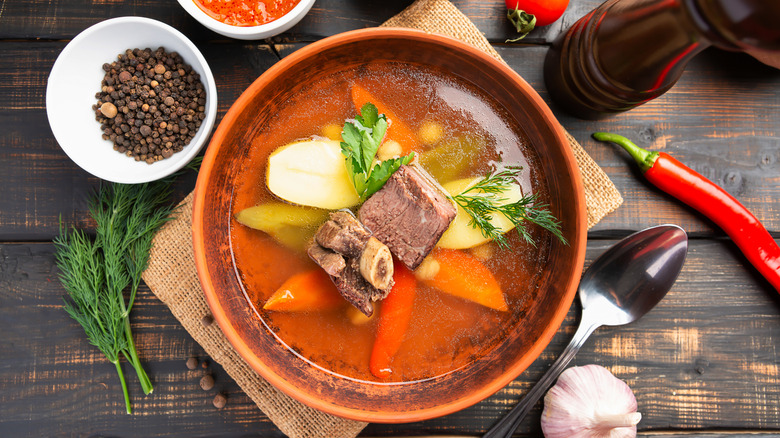
Shurpa is a rich, comforting soup traditionally made with lamb, root vegetables, and warm spices. A staple in Uzbek cuisine, it's also popular across Tajikistan, Kyrgyzstan, and parts of the Middle East, where regional variations abound.
This slow-simmered stew features chunks of lamb meat that infuse the broth with flavor as they cook alongside potatoes, carrots, onions, and bell peppers. Some versions also include parsnip, tomato, or paprika, depending on what's at hand. The broth is typically seasoned with black pepper, bay leaves, fresh herbs, and sometimes a touch of cumin or coriander.
With one pot and some basic ingredients, shurpa comes together as a dish valued for its flavor and warmth. It's the kind of meal that warms you from the inside out, making it perfect for cold Central Asian winters.
15. Koktal
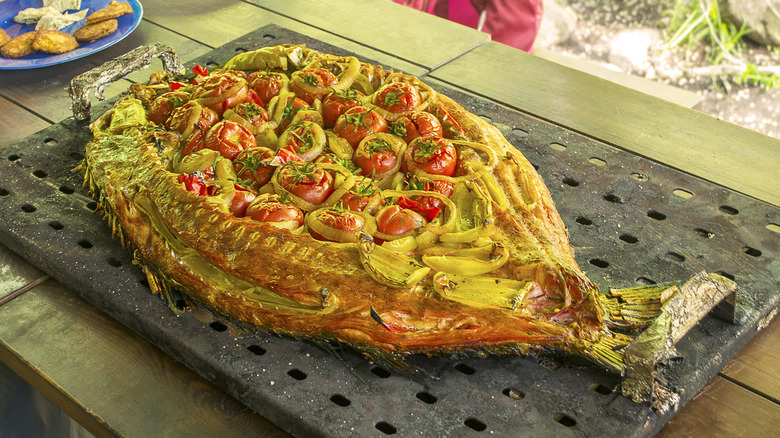
Central Asia is famously landlocked, and as a result, seafood is a rarity across the region. Even today, fish dishes are far less common than the region's abundant selection of traditional meat-based fare.
One exception is koktal, a smoked fish dish from Kazakhstan. The name means "willow" in Kazakh, referencing the willow branches traditionally used as skewers and a grill that impart a subtle flavor on the fish. Koktal is prepared in a metal box with a grate and lid. A large freshwater fish (usually a carp) is split along the spine and laid flat like a book. After partial smoking, it's topped with sliced onions and tomatoes, then finished over the heat.
The delicate fish is then served in the same metal dish it's cooked in. The scales are usually left on to help it stay intact. While it's less common than plov or beshbarmak, koktal is a unique dish in a region associated with livestock.
16. Navat
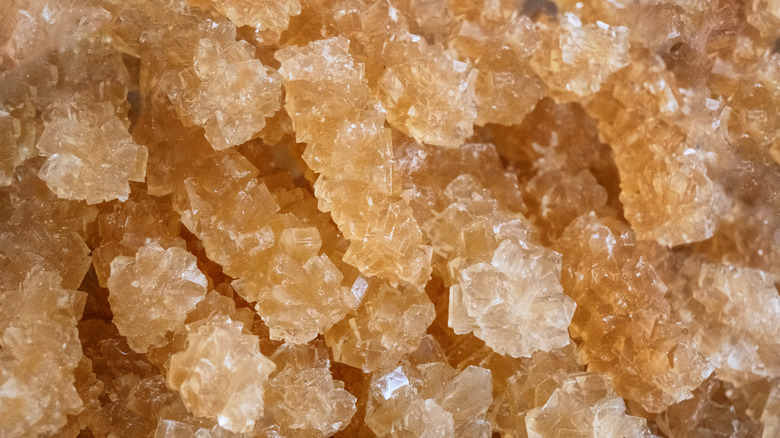
Navat is a crystallized sugar traditionally served with tea across Central Asia, especially in Uzbekistan. It's made by boiling down grape juice or concentrated sugar syrup, often flavored with spices, until it forms thick crystals on suspended threads, creating a glistening, amber-hued crystal candy.
Navat has long been valued for its flavor and for its medicinal qualities. For generations, Uzbeks have used it as a natural remedy for everything from sore throats and coughs to stomach pain and illnesses, either by dissolving a piece in hot green tea or sucking on it like a lozenge. Many elderly Uzbeks credit regular navat consumption for their longevity and sustained energy.
During tea time, it's common to dip a shard of navat into a steaming bowl and let it slowly melt, sweetening every sip. Navat is beloved by children as a candy, too. Its crystal texture and old-world preparation make it both a delicious and practical treat.