

The Controversial Organ Meat That's Banned In The US
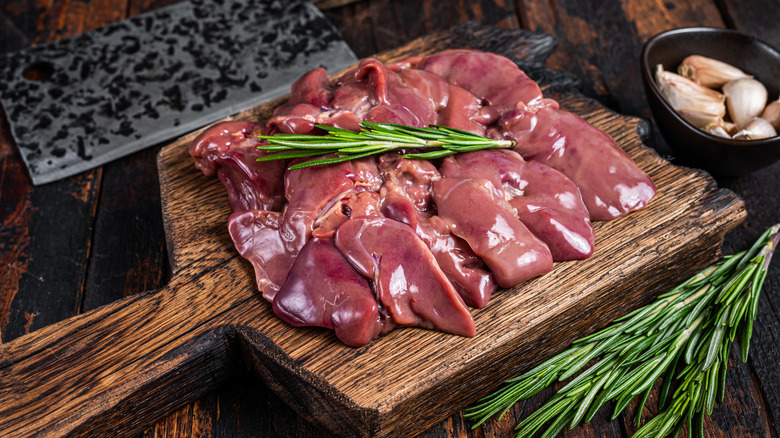
America has had a love-hate relationship with organ meat for years. Organ meats, or offal, have been popular in many indigenous cultures around the world for centuries. In the United States they were consumed much more frequently prior to World War II than they are today. Organ meats are exceptionally nutrient dense, much more so than the muscle meat we typically consume, and can still be delicious. If you know how to prepare liver, for instance, it can be very tasty. According to one study published in the Journal of Nutrition, organ meat provides the most nutrition for the lowest cost of any meat. Despite their nutritional value, many types of organ meat are difficult to find in stores. Some, like lung, are banned outright in the United States.
In 1971, the U.S. Department of Agriculture made the decision to end the sale of lungs for human consumption in the U.S. This followed a USDA-commissioned study that concluded livestock lungs were "not fit for human consumption." In 2023, one doctor petitioned the government to lift the ban, submitting evidence suggesting that eating lungs poses no health risk. Several other doctors wrote in support, claiming they had never seen any illness related to eating lungs among communities who still ate the meat regularly. One of the strongest arguments for lung consumption is that it's so common in many other countries. For example, it's a key ingredient in traditional Scottish haggis — of course, the inclusion of lung is also why haggis is banned in America.
Lung meat around the world
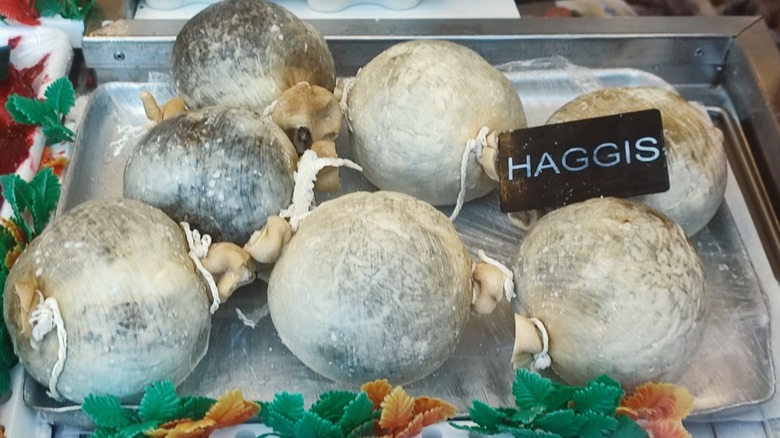
Scotland is far from the only country to make use of lungs. In Malaysia and Indonesia, a dish called paru goreng is made with beef lung, and bopis is a spicy Filipino dish made with pork lung. Likewise, German Töttchen stew, Brazilian xinxim de bofe, and Italian pani câ mèusa sandwiches all use lung. Lung appears in recipes on just about every continent, showing that the ban is far from a global standard.
Opponents have argued that lungs function as air filters and may be contaminated with dangerous substances. Some claim that lungs can trap everything from bacteria and viruses to chemicals in smoke and even asbestos. These concerns can make the ban seem reasonable. However, all meat could potentially be infected with disease or contaminants. Infections often spread well beyond the lungs. This is why we inspect all meat. If it's found to be unfit, it's not allowed to be consumed. The argument is that lungs should be treated like any other meat. Contaminated lungs can be discarded, but if they are clean, why not use them?
Although the petition was submitted in 2023, the USDA website lists it as received, but with no further action taken. If the USDA addresses the petition, lung may return to American grocery stores. However, as with other organ meat and the different types of sweetbreads, it may still be hard for most shoppers to find.