

What Exactly Is Saleratus In Vintage Recipes (And Is It Different From Baking Soda)?

If you've been flipping through your vintage cookbook collection lately and stumbled upon the word saleratus, you might be curious about this obsolete ingredient.
Used in the 1800s as a leavening agent in breads and baked goods, it was made up of bicarbonate of potash, through a laborious process of adding water to ash to make lye, purifying, baking, and fermenting to create a potassium salt known as bicarbonate of potassium. The result was an ashy, pulverized compound that, when combined with acid, would produce carbon dioxide bubbles, aerating your baked goods for a proper lift.
Naturally occurring, it became a staple among pioneers traveling West in the mid-1800s. Now, the saleratus you encounter in your vintage cookbooks is actually a stand-in for sodium bicarbonate, or baking soda. This change happened after the original compound, which contained bicarbonate of potash, became too expensive to produce. So, if a vintage recipe calls for saleratus, you can simply use baking soda.
What is the best substitute for bicarbonate soda?
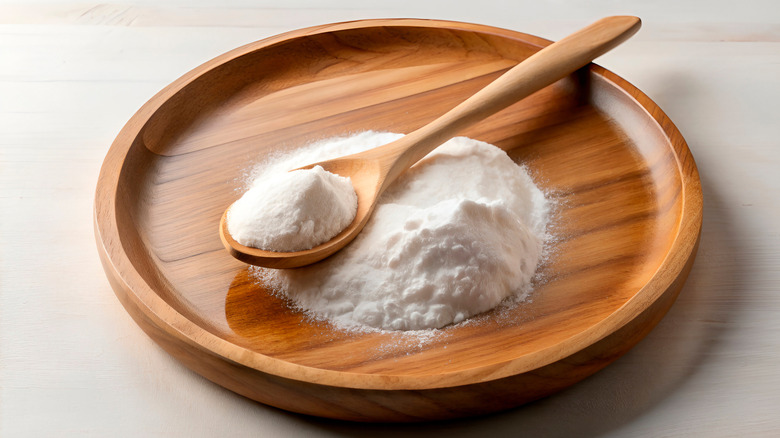
Baking soda (bicarbonate of soda) is a common culinary leavening agent that activates in recipes containing an acid, such as buttermilk or lemon juice, to give a supple rise. But it's easy to lose track of how much you have on hand. When you're in a pinch, there are a few substitutions for baking soda that work well.
Your first guess might be baking powder, but what are the differences between the two? When the term saleratus was discontinued from use for baking soda, a Harvard scientist cut the compound with mono-calcium phosphate and cornstarch to make the first baking powder. Nowadays, baking powder contains baking soda plus other ingredients like cream of tartar. Because baking powder provides a stronger rise and structure, it is not an exact replacement. In fact, there's actually a standard ratio that you can remember when substituting baking powder for baking soda.
Depending on the recipe, you should choose a swap that complements the recipe. For example, consider using club soda in recipes with high liquid content, such as a batter for frying or pancakes. Similarly, using whipped egg whites, which are a great leavening agent for their ability to capture air, in recipes that contain eggs will result in a lighter texture similar to an angel food cake.