

15 Indonesian Dishes You Need To Try At Least Once

If you're as food-obsessed as we are, you're likely familiar with the warming flavors of South Indian cooking, the fresh, umami-rich delights of Japan, and the tangy, aromatic staples found in Thai cuisine. There's no doubt that the Asian continent is home to an exceptionally diverse, colorful, and flavor-packed array of dishes, but there's one country that's often overlooked for its culinary offerings. Indonesia is something of a hidden gem on the food scene, despite having introduced the world to a mouth-watering selection of subtly spiced and beautifully balanced creations. In the Indonesian food landscape, you'll find everything from hearty meat stews to wholesome veggie stir-fries and sweet breakfast treats. And, these delicious meals are often remarkably easy to whip up.
Previously known as the "Spice Islands", Indonesia was once a key location on the spice trade route, and this has clearly shaped the signature flavors of the country's cuisine. Ingredients like hot chili peppers, coriander, cloves, and nutmeg are all popular additions to Indonesian dishes, with aromatics such as lemongrass, garlic, and ginger enhancing their warmth. These are often paired with veggies like broccoli, carrots, and string beans, or proteins such as beef, shrimp, chicken, or tempeh (here are some facts about tempeh you may not know). When it comes to carbs, cassava is a prominent feature, along with noodles and rice. You don't need to travel halfway across the world to sample the spicy goodness of Indonesian food, either, because with the right medley of ingredients, you can easily recreate many of these dishes from the comfort of your own kitchen. So, here are 15 must-try dishes to get you started.
Nasi Goreng
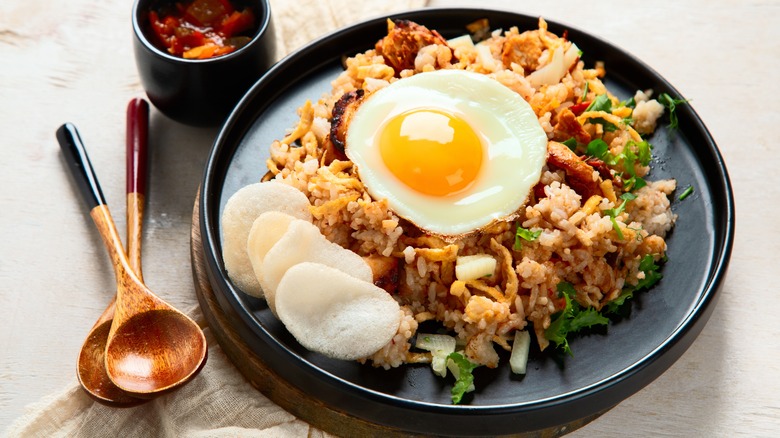
Brilliantly simple yet bursting with sweet and salty flavor, Nasi Goreng is arguably the best-known of Indonesia's culinary creations. This fried rice dish has an irresistible caramelised richness, thanks to the addition of kecap manis — an Indonesian soy sauce with a sweeter taste and syrupy consistency. Onion, garlic, and chili add plenty of aromatic depth, whilst proteins such as chicken, shrimp, or egg amp up the heartiness.
Nasi Goreng is traditionally made in a wok, with the ingredients cooked quickly over high heat. Once the finely diced aromatics have been stir-fried for a minute or so, the protein can be added. With this cooked through, in goes the kecap manis, often alongside a dollop of shrimp paste for added umami flavor. Finally, there's the cooked and cooled rice, which should only require around two minutes of stir-frying to take on a gorgeous caramelised taste.
You could totally incorporate some extra veggies here if desired, too, such as green beans or carrots. And, the garnishes are another key element of this Indonesian classic. You'll often find Nasi Goreng topped with a fried egg, scattered with chopped green onion or crispy shallots, or served with prawn crackers on the side. You can also cut through the heaviness of the dish with some fresh additions, such as diced tomatoes and cucumbers.
Cap Chay
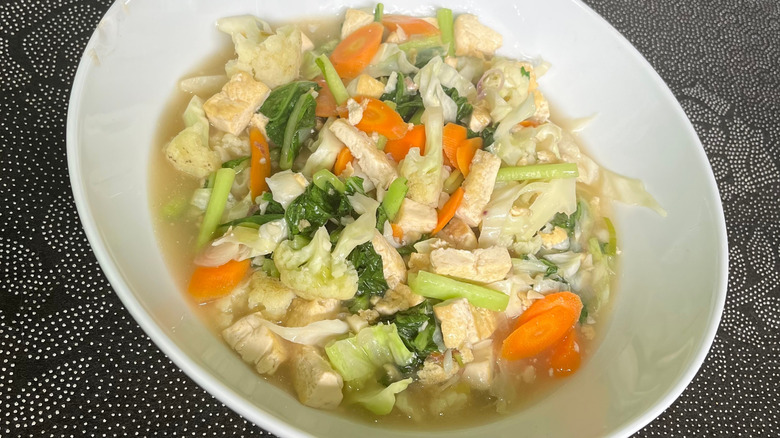
Another deliciously brothy, stir-fried delight that features a wholesome blend of veggies, proteins, and aromatics is Cap Chay. This dish is actually thought to have originated in China, where it was made by imperial cooks during the Han Dynasty era. When it was later introduced to Indonesia by Chinese immigrants, it quickly became a hit and remains a staple throughout the country today.
Made in one pan, Cap Chay begins with a medley of aromatics. Finely diced ginger, garlic, and the white parts of green onion stalks are first sautéed in a wok. Protein-wise, chicken is a popular addition, and this can be added next, followed by a selection of vegetables. Sugar snap peas, broccoli, mushrooms, carrots, and tomatoes all work brilliantly, with diversity being key. Next, you'll pour in chicken broth, before letting everything simmer for a minute or so, and adding any seafood elements as desired. Shrimp and fish balls make excellent choices here. A glug or oyster sauce gives the broth a fantastically sweet and tangy profile, and stirring in a slurry of cornstarch and water helps to thicken things up. The final dish is perfect for serving with fluffy steamed rice, fried tofu, or noodles.
Satay chicken
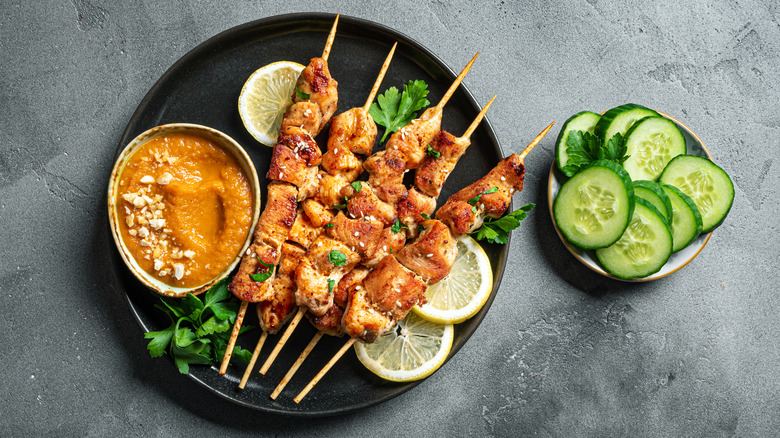
You may well have enjoyed the sweet and nutty taste of satay chicken at a Thai or Chinese restaurant, and that's because this beloved dish has its place in a variety of Asian cuisines. Whilst most variants feature chunks of succulent grilled chicken and a rich peanut sauce, different countries have their own unique takes on the recipe. An Indonesian-style satay chicken boasts a sauce with a wonderfully thick and chunky texture, unlike the runnier dipping sauces you might be used to. And, this is enhanced with a moreish medley of aromatics like onion, chili, and garlic, plus the creaminess of coconut milk, and the sweet and salty taste of kecap manis.
Step one is threading diced chicken thighs onto skewers and brushing them with a mixture of kecap manis and butter. Once grilled or broiled to smoky perfection, the meat is smothered in that mouth-watering peanut sauce. Although this is pureed to blend through the aromatics, what gives it that distinctive chunky texture is the addition of crushed peanuts at the end, which boosts that signature nutty flavor even further.
Martabak Manis
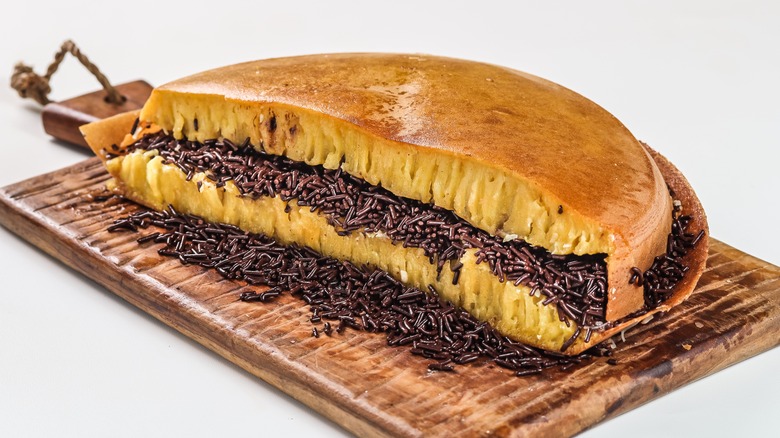
Moving into the realm of sweets, next in our lineup is Martabak Manis. These fluffy Indonesian pancakes are made with a yeasted batter, which gives them an impressive rise and rich flavor. And, there's no flipping required here, with the batter cooked in a single, thick layer in a covered pan.
The Martabak Manis batter is made in two stages. First, you'll combine the dry ingredients, which include flour, milk powder, and sugar, before pouring in water and sprinkling over some instant yeast. Once combined, the mixture must be left to rest for around an hour. After this, you can stir in the next batch of ingredients. That's a mixture of eggs, vanilla extract, and more sugar, followed by some melted butter and baking soda. Now, the batter is ready for frying. Pour it into a lightly oiled pan over medium-low heat, and let it cook until bubbles start to appear on the surface. At this point, you can sprinkle a little extra granulated sugar over the pancake before placing a lid on the pan, lowering the heat, and leaving the pancake to completely cook through. Once set, the pancake is traditionally covered with chocolate sprinkles, chopped peanuts, or condensed milk, then sliced into two, with one half sandwiched on top of the other.
Beef Rendang
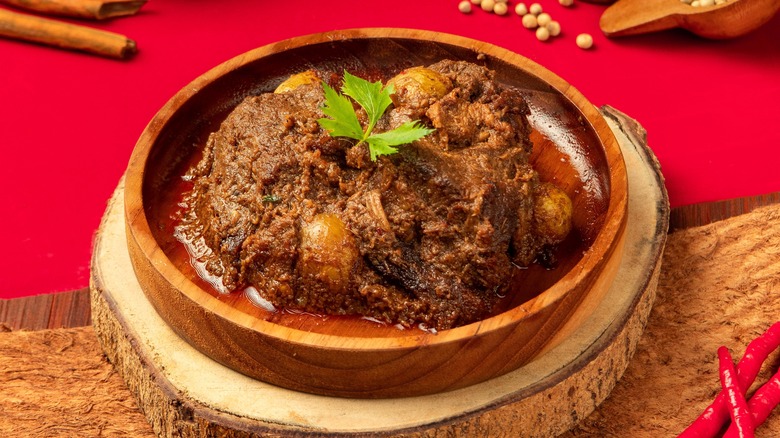
Boasting fall-apart-tender meat and a bold medley of spicy, aromatic flavors, Beef Rendang is an Indonesian favorite for good reason. In fact, in 2017, this dish was voted the world's best food by CNN readers, so it most definitely deserves a place on your "to try" list. This dish is thought to have originated with the Minangkabau people of North West Sumatra, who adapted a traditional stew called "gulai" into a less saucy, slower-cooked creation. Today, Beef Rendang is recognised as one of the five national dishes of Indonesia.
Most traditional recipes will include a carefully-crafted spice paste, made with punchy ingredients like ginger, galangal, coriander seeds, turmeric, and cumin. This forms the base of the dish, along with toasted whole spices (think cloves, cardamom, and star anise). Then, there's the hearty stewing beef and creamy coconut milk, which get simmered low and slow with the remaining aromatics, often along with a dollop of tamarind paste and sprinkling of palm sugar. Patience is essential here, with the slow-cooking technique being integral to achieving that incredible tender texture and mind-blowing depth of flavor.
Mie Goreng
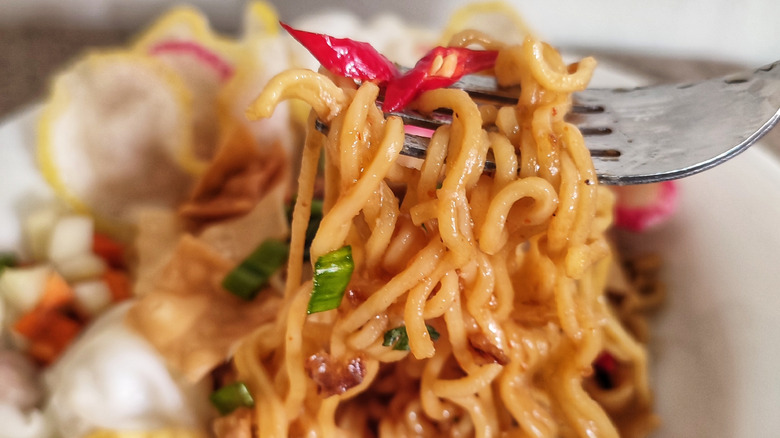
If noodle dishes are more your style, be sure to give Mie Goreng a try. Here, hearty egg noodles are stir-fried with various protein and veggie add-ins, which are all coated in a sweet, tangy, and spicy sauce. The word "goreng" means "fried" in Indonesian, whilst "mie" translates to "noodles", so the dish's name is pretty self-explanatory.
Instant noodles can absolutely be used to whip up a homemade Mie Goreng, and for the sauce, you'll need a combination of classic Indonesian condiments like kecap manis, sambal oelek, and oyster sauce. A mixture of chicken, shrimp, and egg works beautifully for the protein components of the dish, and veggie-wise, you'll often see finely sliced cabbage and bean sprouts incorporated. If you're using egg, you can cook this separately beforehand in an omelet style, before rolling it up and slicing it into thin ribbons. These are perfect for tossing through the finished stir fry, after the sauce has reduced nicely and the noodles have just started to crisp up.
Pecel Lele
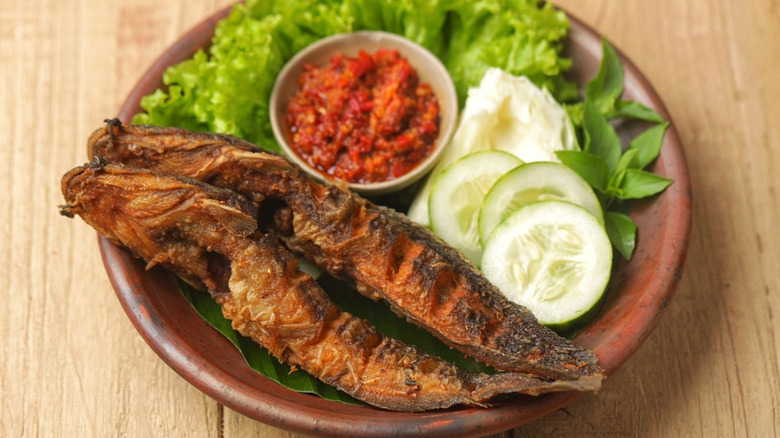
Originating from East Java, Pecel Lele is a popular street food dish that essentially comprises fried catfish, sambal, and salad. Whole catfish are cleaned, rubbed with lime juice and salt, then deep-fried in oil until the skin is golden and crisp, with the flesh inside remaining tender and flaky. The sambal is typically a fiery mixture of bird's eye chilis, shallots, and de-seeded tomatoes, which are sauteed until softened, and mashed with some salt and sugar in a pestle and mortar, to create a thick, saucy paste.
To build the final dish, the sambal can either be layered underneath the fish or served separately in a ramekin next to it. This is plated up alongside a raw vegetable salad called lalapan, which might include sliced tomato, cabbage, cucumber, and even sprigs of fresh lemon basil. You'll also find vegetarian-friendly takes on Pecel Lele in restaurants across Indonesia, such as those made with fried tempeh, tofu, or eggplant rather than fish.
Soto Betawi
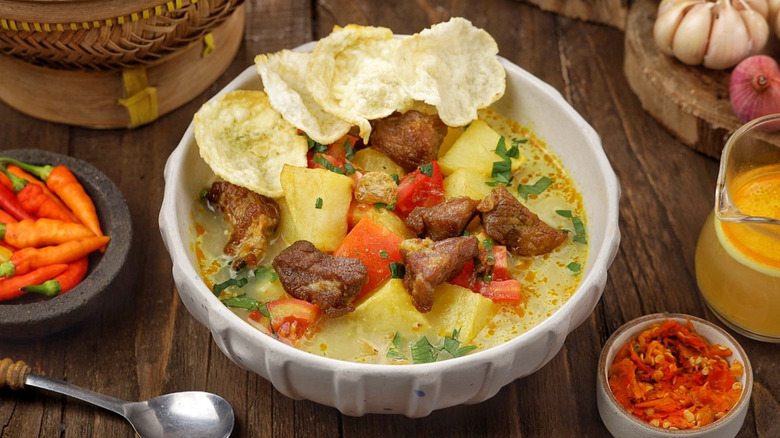
It doesn't get much more comforting than a hearty beef soup, and this fragrant, slow-simmered delight from Jakarta hits all the right notes. As well as the richly flavored beef shank, tripe is another important add-in here. But don't let this put you off. This gives the broth an even meatier taste, and with its slightly spongy, honeycomb texture, it soaks up the savory flavors of the broth beautifully.
Once the beef and tripe have been slow-simmered with some lemongrass, milk, Indonesian bay leaves, and an aromatic spice paste for around two hours, the meat is removed and diced into bite-sized chunks. This is returned to the pot along with coconut milk, water, and salt, and the second simmering stage ensues (around 30 minutes). Makrut lime leaves can be stirred in just before serving the soup, with other aromatics strained out if desired. Soto Betawi is typically served with fresh tomato, chunks of fried potato, sliced green onions, and crispy emping chips, which are made from the fruit of the melinjo tree.
Bakso
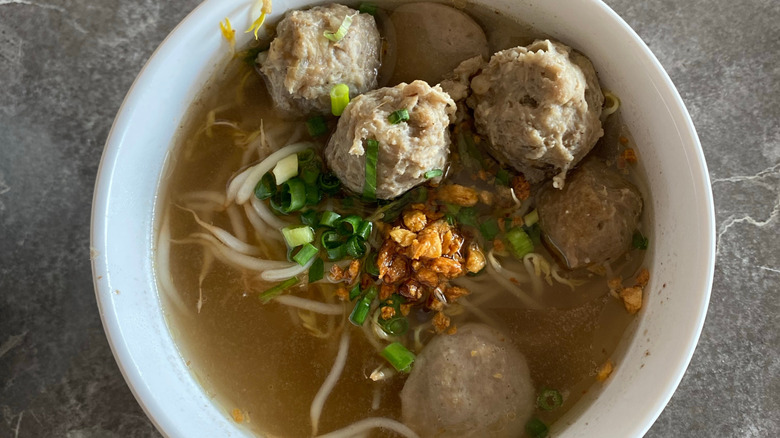
Meatballs are a staple in various types of cuisine, from the herb-infused, tomato-coated classics from Italy to those flavored with Moroccan-inspired spices, and of course, the pork and beef-based bites that have become synonymous with a trip to that good old flat-packed furniture store. In Indonesian cooking, bakso are the meatballs of choice. These see ground beef blitzed up in a food processor with garlic, fresh cilantro, salt, pepper, flour, and baking powder. The meatballs are then shaped and boiled in water for a tender, succulent result.
The traditional way to serve bakso is with vermicelli noodles, blanched vegetables like bean sprouts and bok choi, and a beef-based broth. Ingredients like star anise, cinnamon, lemongrass, and makrut lime leaves are popular choices for enhancing the aromatic profile of the broth, whilst a generous glug of bakso sambal chili sauce is the perfect way to spice things up upon serving.
Bubur Ayam
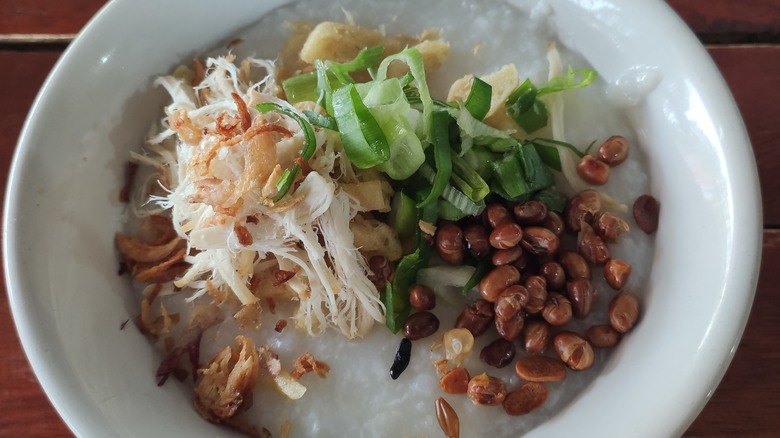
Chicken and porridge are two words you might not typically see together, but don't knock this classic Indonesian breakfast dish until you've tried it. Bubur Ayam is a chicken-topped porridge (also known as congee) that has an undeniably comforting feel to it. It's packed with savory flavor and brings together a delicious mixture of contrasting textures.
Rather than the oatmeal you'll find in Westernized porridge dishes, Bubur Ayam is made with rice, which is simmered in chicken broth or water until the mixture reaches a thick, slightly sticky consistency. This hearty base is then finished with shredded chicken breast and an array of savory toppings, such as crunchy skin-on peanuts, chopped green onions, fresh cilantro, and crispy fried onions. Bubur Ayam makes for an excellent option when you need a breakfast that'll keep you feeling fuelled all morning, and serves as a more nourishing alternative to sugar-laden breakfast treats like pancakes and waffles.
Gado Gado
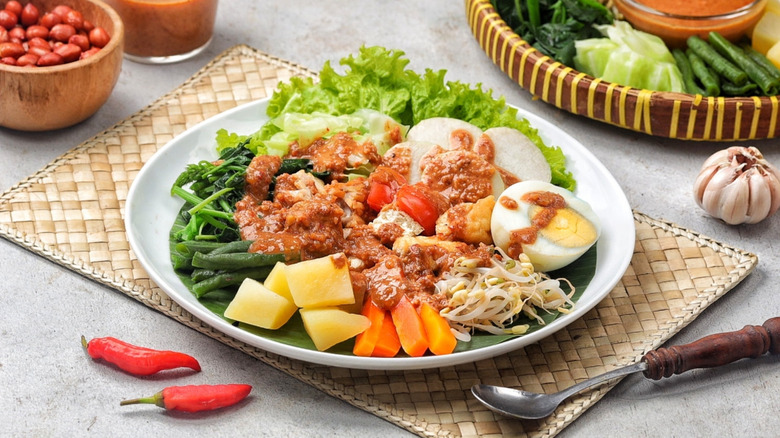
For a bold yet refreshing, veggie-loaded approach to Indonesian cooking, try Gado Gado. This is an excellent choice for peanut lovers and vegetarians alike, since the base of blanched vegetables, salad, and crispy tempeh or tofu is smothered in a creamy, spicy peanut butter-based sauce. Hard-boiled eggs are also often thrown into the mix, for an extra protein boost and heartier finish. Gado Gado is the perfect sharing dish, fitting in especially well alongside other Indonesian classics like Nasi Goreng or coconut rice. But it can absolutely be served as a standalone main course, too.
The sauce is made by simply stirring together all of the ingredients in a saucepan over low heat. As well as the peanut butter, you'll need red curry paste, kecap manis, sambal oelek, garlic, lime juice, and coconut milk. The vegetable elements tend to include potatoes, bean sprouts, and spinach, whilst the tempeh is cut into slices and deep-fried until golden and crisp. Then, the elements can be assembled into a vibrant plateful, with prawn crackers making the perfect finishing touch.
Pepes Ikan
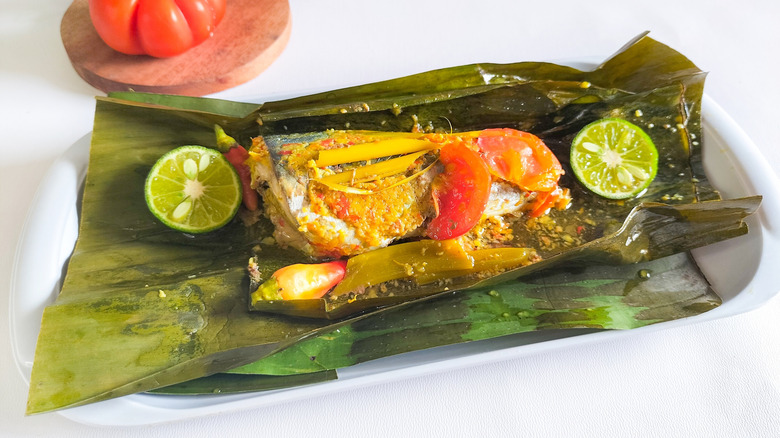
Pepes Ikan is a delightfully fragrant Indonesian fish dish that's all about infusing the protein with bold, aromatic flavors. It is generally either made with tuna or white fish like carp or tilapia, which can be left whole or diced into chunks. The fish is rubbed with lime juice, which tenderizes the flesh, then slathered in a punchy spice paste made from garlic, shallots, spices, and roasted candlenuts. And what makes this dish particularly special is the cooking method. The coated fish gets wrapped in banana leaves, along with some extra aromatics such as lemongrass and makrut lime leaves, and other fresh ingredients like tomato and Thai basil leaves. Once wrapped into a parcel, which is secured with toothpicks or tied with twine, everything is simply steamed or grilled until the fish is cooked through.
Serve your Pepes Ikan with a side of rice or fresh, crunchy salad to transform it into a well-rounded main meal, or perhaps with a fiery sambal to turn up the heat. This one is an ideal option for summer cooking, or whenever you fancy something light yet satisfying.
Pisang Goreng
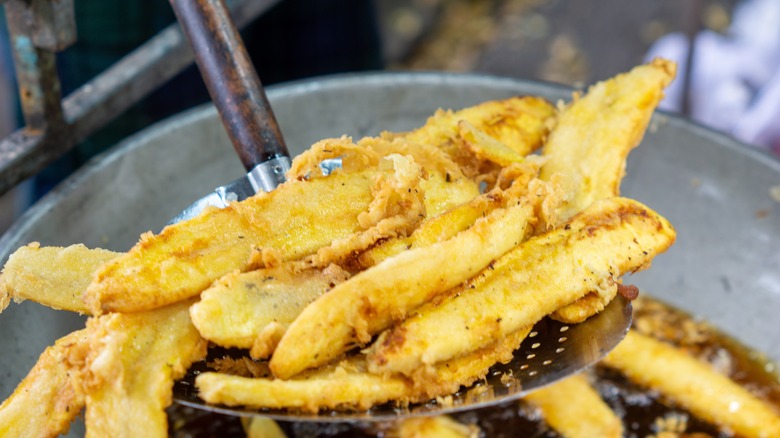
Cooking bananas is an amazing way to bring out their natural sweetness, and in Indonesia, chefs and home cooks alike have certainly perfected this art. Pisang Goreng is a simple yet irresistible recipe that takes ripe saba bananas or plantains, coats them in a light rice flour batter, and deep-fries them until crisp on the outside, but soft and caramelised in the middle. Turmeric can also be added to the batter to give the final dish a more vibrant, golden appearance, whilst some recipes include butter for added richness.
This treat is the ultimate crowd-pleaser, being sweet and crispy, and perfect for topping with a variety of extras, such as chocolate sauce, vanilla ice cream, or a dusting of powdered sugar. Pisang Goreng can work as a breakfast or dessert, and some even prefer to transform them into a savory dish, topping the fried bananas with a layer of shredded cheese.
Lumpia
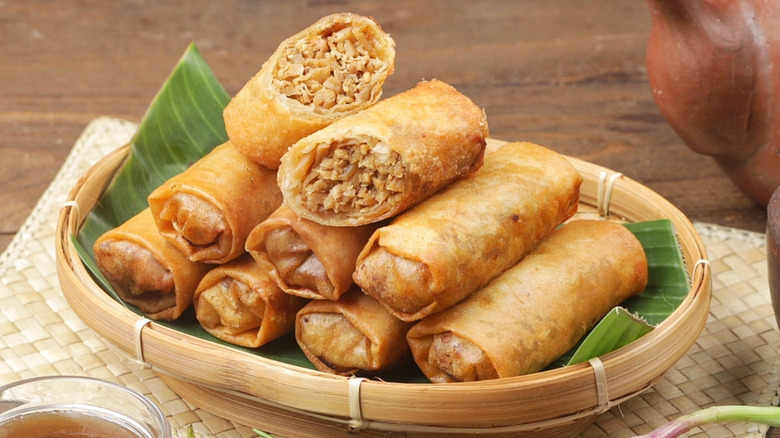
Lumpia is Indonesia's answer to the spring roll, and whilst you'll find variations throughout Southeast Asia, the Indonesian version offers its own distinct taste. These light, golden rolls are typically filled with a mixture of finely sliced and sauteed vegetables, such as carrots, cabbage, and bean sprouts. The veggies are often accompanied by diced chicken, shrimp, egg, or tofu for added protein, with everything seasoned to perfection with ingredients like garlic, chili powder, and kecap manis. This nutritious mixture is spooned atop spring roll wrappers, which are tightly rolled and secured, before the lumpia are deep-fried in hot oil until gloriously crispy. It's a similar approach to the popular Filipino lumpia.
When serving lumpia, the choice of dipping sauce is just as important as the rolls themself. For a light, umami hit, pair them with soy sauce, or try kecap manis if you're after something thicker and a little sweeter. Hoisin sauce is another great option, bringing both sweetness and tanginess, whilst a creamy peanut sauce can introduce plenty of rich, nutty flavor.
Siomay Bandung
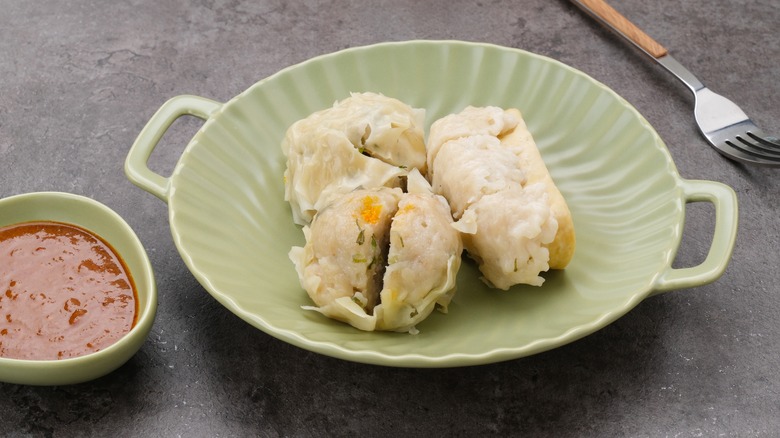
Travel to the streets of Bandung, Jakarta, and it won't be long before you come across a steaming plateful of the aptly named Siomay Bandung. Featuring a savory fish paste, often made with shrimp, crab, or mackerel, these steamed dumplings don't feature a doughy outer layer like Chinese potstickers. Instead, the fish mixture tends to be spooned into either hollowed-out pieces of firm tofu, bitter melon, or wonton wrappers before it's cooked. Alternatively, the fish can be blended with egg, flour, and seasonings, and shaped into balls before popping these into the steamer basket.
Whilst these protein-packed bites are delicious as they are, this dish isn't typically served alone. Siomay Bandung most commonly comes with a selection of complementary extras, like potatoes, cabbage, hard-boiled eggs, and makrut lime slices. A spicy peanut sauce is another popular accompaniment, which can be made by blitzing up peanuts with garlic, chili peppers, water, salt, and sugar.