

Can You Heat Up Sour Cream? Here's What You Need To Know

Sour cream is a kitchen staple beloved for its tangy flavor and creamy texture. But throw it into a hot pan or oven without caution, and you risk ending up with a curdled, separated mess. That's because sour cream is essentially an emulsified sauce made of milk fat and water, and heat can easily break this delicate balance. So can you heat up sour cream? The short answer is yes, but there's a right way and a wrong way to do it.
Sour cream works best when gently warmed or stirred into hot dishes at the end of cooking. High, direct heat can cause it to split and become grainy. Think of it as a cool companion to soups (like this hearty dill pickle soup recipe), sauces, and casseroles, adding richness and depth without overwhelming heat. When baking, sour cream holds up better because the heat is more even and gradual. It's a perfect ingredient to boost moistness and tang in baked goods. If you want to warm sour cream for a dip or topping, do it slowly over low heat, stirring constantly. Microwaving on a low setting in short bursts can also work, but patience is key. Knowing how and when to add sour cream will keep its texture smooth and flavors bright.
How to heat sour cream without ruining it
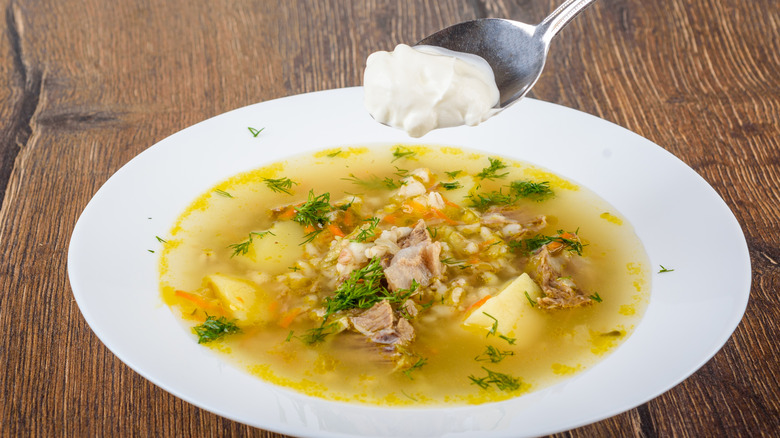
If you're worried about sour cream curdling, there are tips you need when cooking with sour cream to keep it smooth during heating. First, avoid boiling sour cream or adding it directly to a boiling pot. Instead, temper it by slowly mixing a bit of the hot liquid into the sour cream before fully incorporating it. This gradual temperature change helps stabilize the mixture. Adding a bit of flour or cornstarch to sour cream can also help prevent separation in sauces and soups. This acts as a binder, keeping everything creamy. When using sour cream in baked dishes, it's usually baked gently and doesn't come into direct contact with intense heat, which helps preserve its texture.
Remember, once sour cream has curdled, there's no going back — it's best used cold or gently warmed from the start. So if you're adding it to a hot dish, stir it in right before serving to keep that luscious creaminess intact. Heating sour cream properly unlocks its full potential in warm recipes, balancing tang, creaminess, and richness without the dreaded grainy texture.