

10 Things You Didn't Know About Aquavit, The Scandinavian Liquor

For the Italians, it's all about amaro, and for the French, cognac, but when it comes to the Scandinavians, nothing comes close to aquavit. Aquavit can be compared to other digestive liquors and after-dinner sippers, though when and how to drink aquavit often depends on where you are in the world. In the U.S., aquavit has secured its station as a bartender's favorite thanks to its herbal profile, relatively low ABV, and all around versatility. During my two decades behind the bar, I've often relied on an ounce of Linie aquavit in place of gin to bring added depth to punchy classics like the Last Word or a Negroni.
Aquavit has been making a splash throughout Scandinavia for centuries. While the rest of the world has surely caught on to the spiced spirituous infusion, traditions run deep in Norway, Sweden, and Denmark in terms of how they make the stuff. Sure, there are regional differences in regard to how they drink the stuff, too, but whichever Scandinavian custom you most identify with, the main idea is to celebrate.
1. Aquavit is an herbal spirit
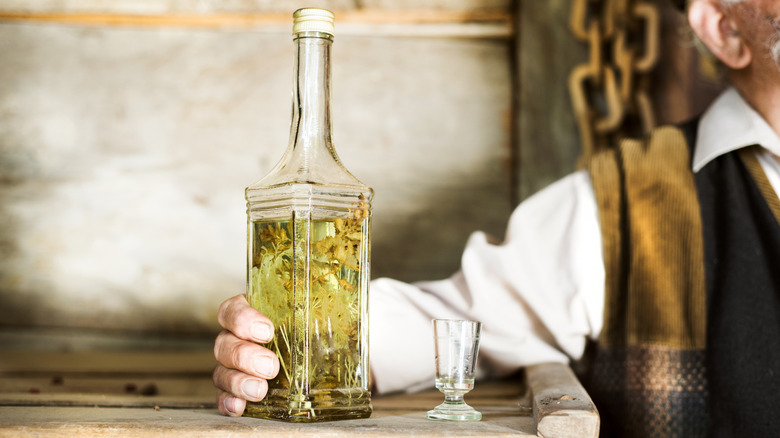
Not the same as gin, but certainly a close relative, aquavit is a distilled spirit made from either grains or potatoes that's infused with caraway and sometimes dill. Most commonly associated with rye bread, caraway is used in a variety of applications from desserts to sauerkraut and, yes, even liquor. While gin's principal botanical is juniper, lending it a robust, piney profile, aquavit's flavors run a bit sweeter, with notes of anise and fennel dominating its distinct character.
Aquavit is a relatively neutral spirit with a subtle flavor that falls along a spectrum of mild to bittersweet to astringent. While caraway is the baseline herbal botanical flavoring aquavit, like most infused spirits, the bottled result can vary widely depending on the production methods used and the botanical bill it contains. For instance, some styles rely on spices like anise, coriander, and juniper as flavoring agents while others opt for a sweeter, fruit-forward variety by using macerated citrus peels.
2. Aquavit is the national spirit of Scandinavia
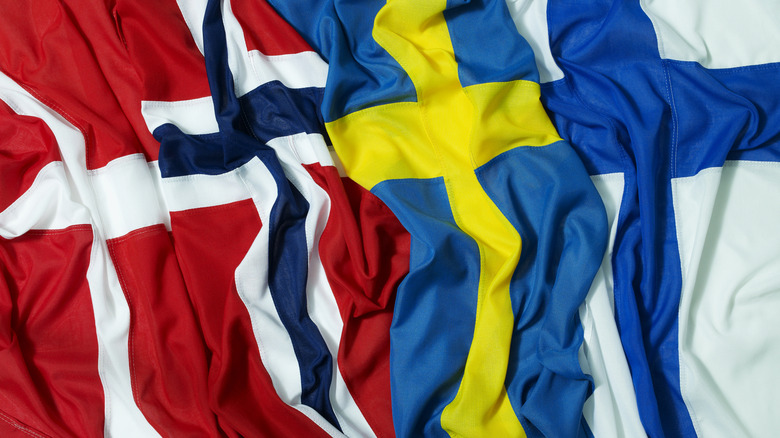
While aquavit has long been tied to tradition in Scandinavia, appearing prominently during the holidays and at celebratory feasts, the spirit is commonly found in everyday settings as well, especially at a midday smörgåsboard.
The consumption of aquavit has been going strong since the 15th century, back when aquavit was distilled from imported (read: expensive) wine, and then solidified in the 18th century. Legend has it that Swedish soldiers began producing aquavit from fermented grain before switching to potatoes for a fraction of the cost. Over centuries of production throughout Norway, Sweden, and Denmark, aquavit now carries a cultural badge of honor as Scandinavia's national spirit.
In Norway, however, official designation has been in effect since 2011, protecting the term "Norwegian aquavit" and its signature production methods which involve barrel aging in oak and using a potato mash bill with at least 95% Norwegian potatoes. Norwegian aquavit is simply one style of the Scandinavian spirit among several — and by several, I mean lots. Seeing as there are over 90 different aquavits available on the Norwegian market alone, it's easy to accept the caraway-flavored liquor's status as a cultural symbol of tradition and the de facto spirit of Scandinavia.
3. Aquavit was once believed to have healing properties
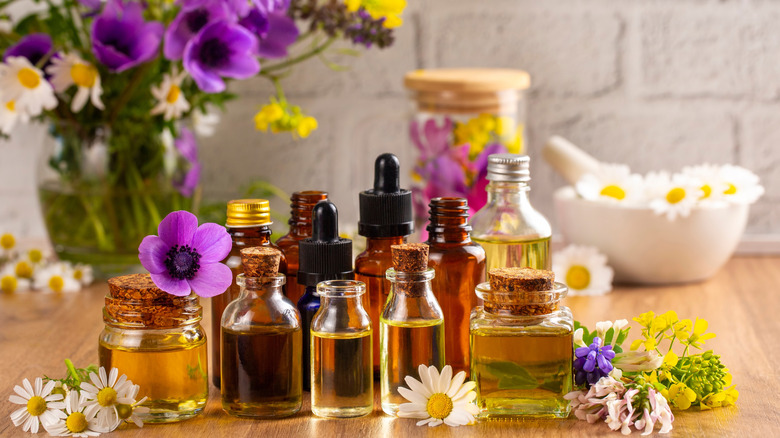
As is true with many alcohol-based herbal infusions, the original use of various botanical tinctures was related to their inherent medicinal properties. According to "The Oxford Companion to Spirits & Cocktails," the earliest written reference to aquavit dates to 1531, when a small sample of the elixir was sent from a Danish lord to the archbishop of Trondheim in Norway along with a note promising of its "remarkable healing qualities."
Derived from the Latin term aqua vitae, which means "water of life," aquavit's origin story, while shrouded in legend, is akin to those of Italian amaro producers and early absinthe manufacturers in France, all purporting that healing properties can be traced to their herbal bills and fermented distillates. While claims of aquavit's alleged healing benefits have been debunked over time, as is true with absinthe, the spirit has only gained traction in Scandinavia and abroad — only now, it's available in liquor stores instead of apothecaries.
4. Toasting with aquavit is linked to Viking legend

While the reason for imbibing spirits may be self-evident to some, no one can say for sure when the tradition of drinking alcoholic beverages began in Nordic culture. However, if you consult Norse mythology, it's pretty clear that they knew all about intoxication from alcohol – that's how Odin bestowed them with their poetic wisdom, after all.
Poetry, and more specifically the Edda poems, is also how we came to know that Vikings drank, too. And while they didn't make wine themselves, they sure knew how to get drunk. Popular legend says Vikings drank directly from the skulls of their enemies, which has been linked to the ubiquitous phrase to signal a toast, "Skål!"
The Scandinavian equivalent to cheers, to make a proper skål one must first make eye contact with everyone around you. Closely related to a complicated French custom of toasting drinks, more importantly, it's another homage to Viking tradition that's linked to aquavit. The custom supposedly stems from the Vikings' unflinching awareness of others at all times, even those in celebration.
5. Aquavit is the go-to celebratory spirit in Scandinavia

While it's not uncommon to see glasses of aquavit lining the dinner table before or after a meal, as the national spirit of Scandinavia, aquavit is inextricably linked to times of celebration.
A flagship symbol of the holiday season, aquavit practically flows through the streets of Norway on Syttende Mai, which literally translates to the 17th of May. Also known as Norway's Constitution Day, Syttende Mai marks Norway's independence from four centuries of Danish rule. Today, it functions as a celebratory nod to the Norwegian spirit as well. That's because aquavit is in plentiful abundance at parades and parties, where it's all too common for folks to raise an aquavit-infused cocktail in celebration.
In Sweden, Midsummer night is a major holiday that celebrates the summer solstice with bonfires and other festivities. Often found at the Swedish smörgåsboard, pickled herring, crispy bread, and creamy butter make for the perfect meal to pair with spiced aquavit. Once the sun sets, the drinking ramps up — as do the drinking songs — since there are 200 drinking songs dedicated to the Scandinavian spirit recorded at a historical museum in Stockholm.
6. Aquavit styles vary depending on the region
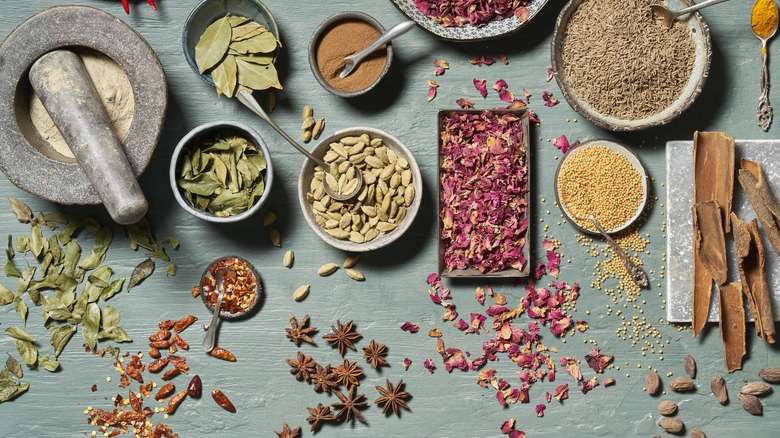
Throughout the Scandinavian countries, each has its own unique version of aquavit that's often made obvious by subtle differences in color. For instance, Norway has codified its production methods in law, including the part about aging the distillate in oak barrels for a minimum of six months, which is precisely what gives Norwegian aquavit its amber hue.
Beyond the color, once imbibed, each regional variation reveals even more nuance in taste and finish. As both the Danes and Swedes produce a clear spirit distilled from grains, the two differ on their herbal bill, with the former commonly associated with dill and coriander and the latter opting for anise and fennel. Norwegian styles veer the farthest from traditional, as cumin lends it a spicy note to match the vanilla notes picked up from cask aging.
While each region adheres to a more or less fixed idea of their traditional aquavit, the Scandinavian spirit is ripe for experimentation, and other common herbs used include juniper berries, wormwood, bitter orange root, and celery root to name a few.
7. Norway's most famous aquavit happened by accident
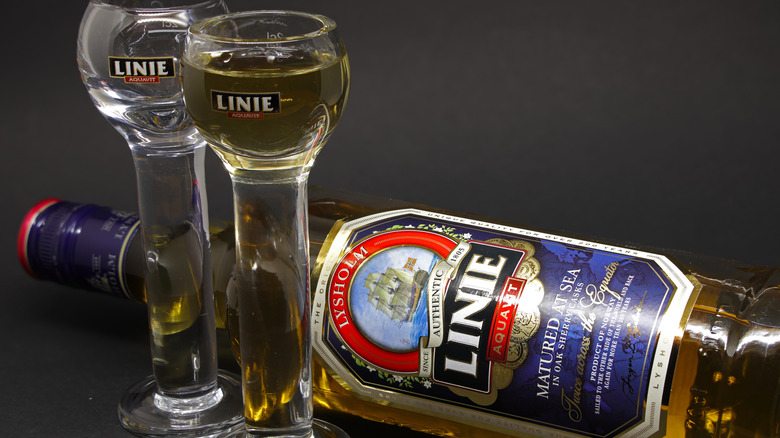
Today, Linie is one of the most widely available imported brands of aquavit in the United States, but back in 1805, the Lysholm family could hardly sell a bottle in East India. At that time, the Norwegian trade family probably expected the worst as their unsold stock made its four-month-long journey back to Oslo, but lucky for them, their aquavit underwent an unintended aging process.
While sitting aboard in sherry oak casks, the spirit developed a rich and complex flavor, revealing a better tasting product than they'd originally barreled to sell. It was then that the Lysholm family established new production practices to replicate the happy accident, which continues to involve crossing the equator twice, on a seafaring voyage for maturation's sake. Fast forward 200 years, and the Linie label is not only the mark of a distinctive aquavit, it's a flagship brand that epitomizes Norwegian aquavit, and it all seemingly came about by happenstance.
8. Drinking styles vary depending on region
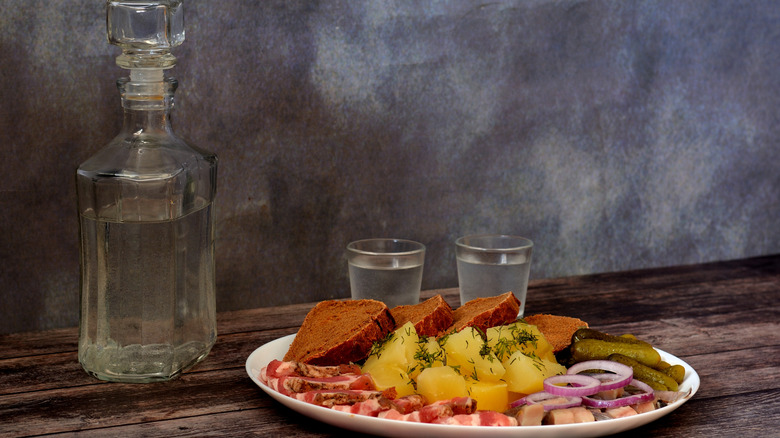
In keeping with aquavit's varying production methods, regionality and cultural tradition play into how people drink aquavit and when it is typically enjoyed. By and large, Scandinavians take their aquavit neat, as its herbal profile pairs well with the flavors of Nordic cuisine. This makes it a perfect accoutrement for any meal.
Since it's easily enjoyed as a digestive, the herbal liquor is also thought to inspire appetites as well. Swedes are known to chase aquavit with pickled herring and a beer, while Danes enjoy it as chilled shot during a long, relaxing midday lunch. Norwegians typically sip aquavit slowly and is enjoyed with some type of meat or fish.
Outside of Scandinavia, aquavit's popularity is not lacking, but drinking customs certainly differ. In the U.S., most of aquavit's consumption occurs alongside other spirits. This is because Americans primarily use this spirit in craft cocktails due to its versatility.
9. American distillers make aquavit, too
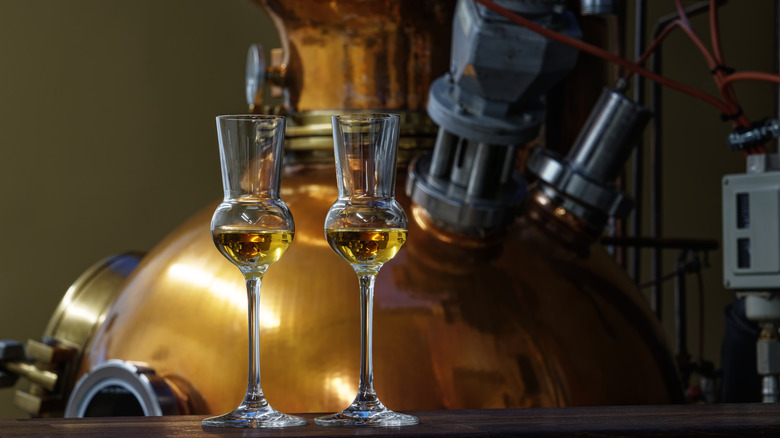
While crowds have long been yelling "Skål!" at Minnesota Vikings' games, American footballers aren't the only ones paying homage to Scandinavian culture. Nowadays, domestic distillers have begun to experiment with aquavit, opening up a whole new category of aquavit and widening the influence of the Nordic diaspora.
Traditional Nordic brands like Linie from Norway, O.P. Anderson from Sweden, and Aalborg from Denmark dominate the marketplace in terms of imported aquavit, but as interest in the spiced herbal infusion has steadily been on the rise, many American distilleries have poised themselves to meet the growing demand.
If you're on the lookout for an American-made aquavit, notable brands are Krogstad Aquavit from Portland, Oregon, North Shore from Chicago, Illinois, and Sound Spirits out of Seattle, Washington. The first to make aquavit stateside, however, was Wisconsin's Gamle Ode, which offers two distinct styles, aptly named Celebration and Holiday.
10. You can make aquavit at home
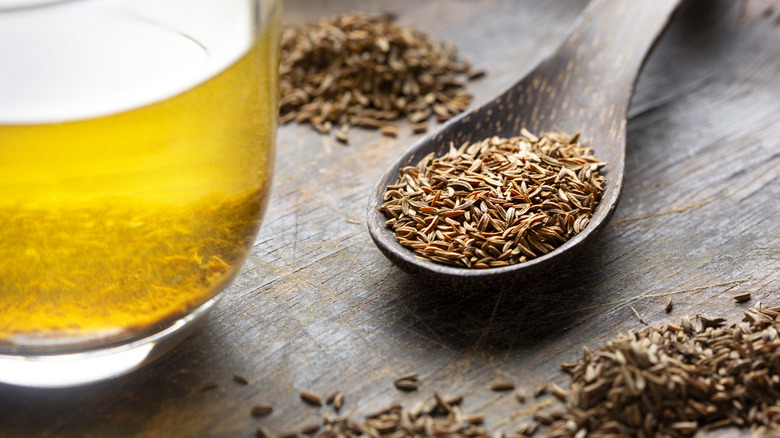
Aquavit may be considered niche to some, but with over 60 brands of aquavit available for purchase in the U.S. (and counting), there's more than enough producers to sample before finding your spirit-mate. If sipping straight isn't your preferred drinking style, a Norwegian aquavit is a great way to complement more familiar spirits like whiskey, gin, tequila, and mezcal. However, if sipping on the herbal elixir sounds like a great way to encourage an appetite, or conversely, as a digestive aid post-dinner, then why not gather your own herbal bill to make your very own aquavit with?
Whether harvesting herbs from your garden or sourcing from a spice store, gathering your botanicals will be the hardest part of the process. Since aging in oak is less of an option at home, veering toward Danish and Swedish herbal bills may be a good choice. Whatever you choose, the end result will be a spirituous expression of your local terroir and a fun experience.
Once you've decided on your herbal bill, leave it to infuse in a bottle of vodka, but be sure to taste frequently as spices extract quickly. When satisfied with the flavor, strain through a coffee filter and freeze until you're ready to serve. When that day arrives, raise your glass and shout, "Skål!"