

10 Questions You Should Ask Yourself Before Ordering Street Food
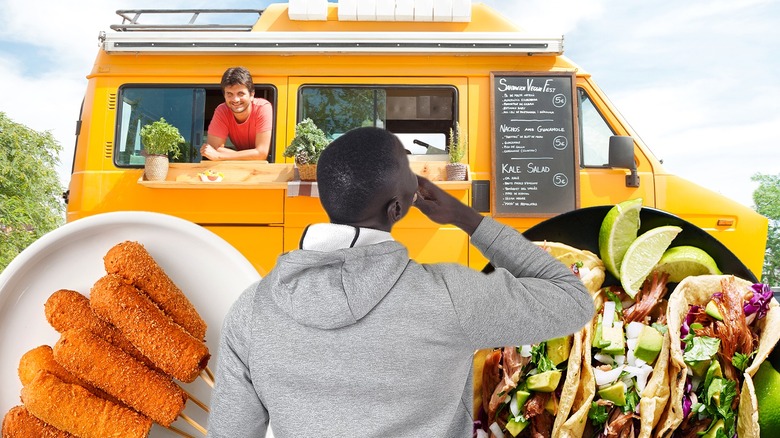
Eating street food can be a highly enjoyable way to experience the food culture of an area, but there are some questions you should be asking yourself before ordering to ensure you're making the best choice. If you're in a place where there are no agencies regulating food safety in street food, it can definitely feel like more of a gamble when choosing between unknown outdoor food vendors. After all, many don't have an online presence that can give you a good idea of what to expect. Plus, you may not know if they've been around forever or popped up overnight. However, it turns out that there are some ways to know whether a street vendor is a good bet or not. It boils down to knowing what unsafe food practices to look for and asking yourself a few questions before eating street food.
We've created a list of 10 questions that should get to the heart of whether a street food vendor is selling good food and engaging in safe food-handling practices. These questions relate to what chances the ingredients or finished dishes have for contamination at any point during the prep, cooking, and serving process. So, if you want to make the best choice when eating street food rather than at an established restaurant, asking these 10 questions could be the difference between enjoying your meal and staying healthy or deeply regretting your choice.
Are the locals eating it?
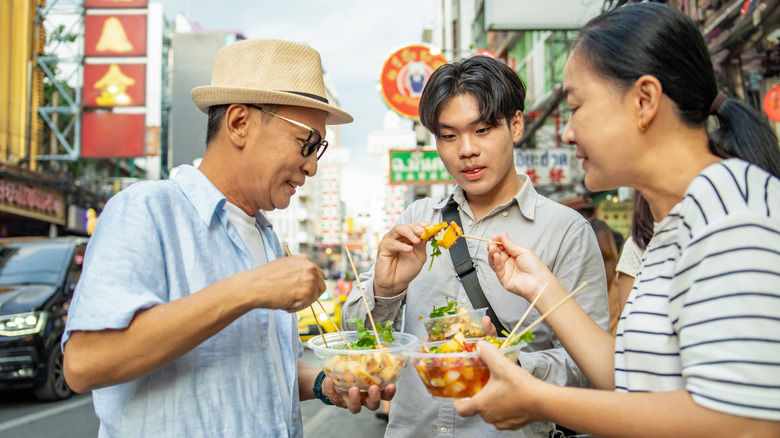
Probably the most important question to ask before deciding on a street food vendor is whether or not the locals are eating it. Something we learned from Anthony Bourdain is that if the locals eat the food, it's likely safe.
Bourdain loved eating street food and pointed out that it's what the people in the neighborhood eat, which means that it showcases the culinary culture of the area. The vendors are only able to keep serving the neighborhood if people aren't getting sick from eating their food, right? One of the keys to making sure you're getting street food that's not going to make you sick is to make sure you're eating where the locals are eating, and there are a few ways to find this out.
The most obvious is to watch the area vendors and see which ones are most popular with people who look like they're from the area rather than just tourists. Another way to figure out where the locals eat is to simply ask them for suggestions. So, if you're visiting nearby non-food shops, ask for suggestions of which street food vendors they like to visit most, when, and what they like to get. Recommendations of the locals tell you several things: It's better, less likely to make you sick, and possibly cheaper than alternatives.
Is it cooked fresh in front of your eyes and served fully-cooked and hot?
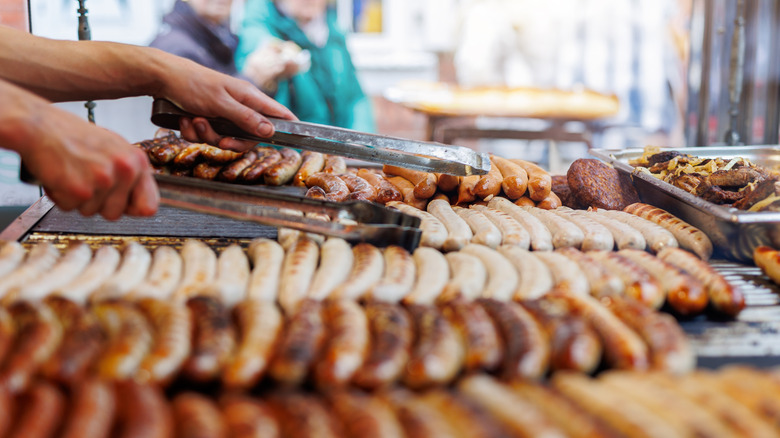
One advantage of street food in open stalls is that being able to see how the food is cooked and handled. Thus, it's easier to spot unsanitary practices that may occur during the cooking process or notice if ingredients look sketchy. However, you want to watch for places where you get your food hot to order to ensure it hasn't been sitting around long enough to become a microbial breeding ground.
There are lots of dangerous foodborne illnesses to be wary of, from bacteria and viruses to even parasites. And many are more dangerous than just sending you to the restroom after consuming them. Luckily, most of these parasites aren't something to worry about as long as the food is stored properly and heated thoroughly.
Being able to monitor the cooking process can be important to your health. Most meat and egg dishes need to be cooked long enough to reach internal temperatures that get them cooked all the way through, and sauces need to come to a boil. If they are just throwing the ingredients in a pan for a quick zap of warmth, it might not be long enough to heat it to a safe internal temperature. It should be hot enough that you need the food to cool a bit before eating it. When in doubt, ask for them to cook it longer.
Is the cooked food being touched with dirty hands?
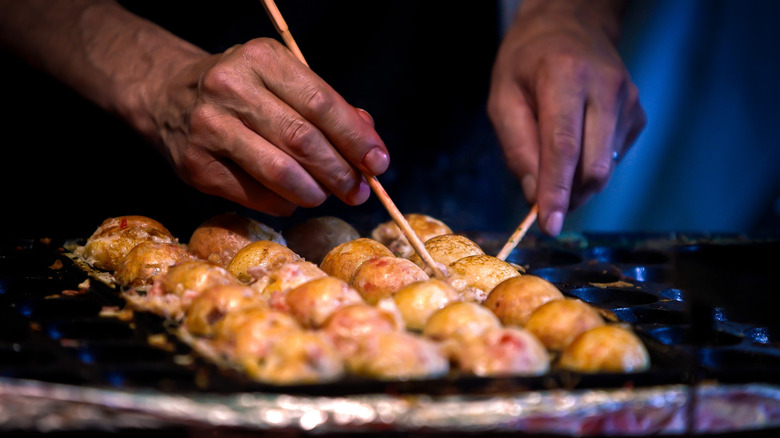
One advantage of seeing how your food is being cooked is being able to view the habits the cooks and cashiers have when it comes to cross-contamination with dirty hands. In an outdoor cooking environment, it may not always be possible for the cook to keep washing their hands, especially if there's no running water available on site. However, there are still ways to keep food sanitary and prevent touching food with unsanitary hands.
There are several things you should be looking for here. Using gloves for food-handling is a good practice. However, you should also watch to ensure they're not touching raw ingredients with the same gloves that are touching cooked foods. That's a no-no. Furthermore, notice if they're touching cooked food with the same hands or gloves that have collected money from customers. Also, if the person cooking the food is touching the food with their bare hands, then they need to be washing their hands after handling raw meat or eggs, after touching any refuse, or after blowing their nose, coughing, or sneezing into it.
One of your best bets is going to be a street food vendor that has one person cooking and another person taking money, so that there's no accidental cross-contamination. You can also watch for street vendors who are careful to use utensils for touching food and containers for holding food, such that there's never any direct food-touching happening.
What does the workstation look like?

The workstation can tell a lot about a street vendor, as it can give you an idea of how careful they are with cleanliness. If the work station isn't clean, that's your first red flag. There are lots of things to consider when looking at the workstation. Is the meat pre-chopped, or are they using the same cutting board that's been sitting under the sun all day? Are they using the same cutting board for meat and produce? Are raw meats separated from the other foods? Furthermore, are they using the same utensils and containers for raw and fresh ingredients? Ideally, all the ingredients should have separate containers. There are also safe ways to wash dishes without running water, but are they omitting soap or rinsing in contaminated water?
The temperature they're keeping the ingredients at is important, too. Are perishable ingredients sitting out for hours, or are they using a cooler? In a normal kitchen, you'd want to refrigerate ingredients within two hours, but outside in heat above 90 degrees Fahrenheit, refrigeration needs to happen within one hour. Something else to look for are the foods that are being kept warm and ready to eat or reheat. Without a thermometer and timer, you don't know how long it has been sitting there, at what temperature, or if it's leftover food from the day before. Additionally, any pre-cooked ingredients from the work station need to be reheated to warm and piping hot temperatures.
Can you peel raw produce yourself?
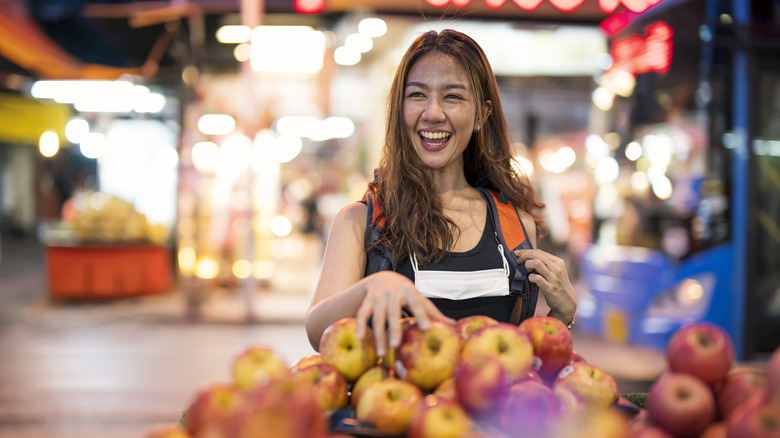
If you're getting any raw fruits or vegetables from a street vendor, be sure they're ones you can peel yourself. If you do peel the produce yourself, be sure to have food-safe antibacterial wipes for your hands so that you know your hands are clean. The problem with raw produce is that you don't know if the produce has been washed well, if it was washed with clean water, or if it was chopped with a clean knife.
A clean knife peeling a dirty piece of produce can transfer the contaminants from the peel to the produce. When produce is cooked, you don't have to worry about these things because the heat can kill the contaminants. However, if it's raw, you do. That's why the produce you eat from street vendors is only safe if you can peel it yourself, because you know the cleanliness level of your own hands. And you certainly don't want to eat raw veggies like lettuce or fruits with the peel on because you don't know what sort of contaminants might be on the produce or its skin.
Watching out for dirty produce is sometimes easy, but a few things might trip you up. For example, you may remember not to order a salad, but you also shouldn't get drinks made with fresh fruit. And toppings sprinkled on at the last minute might be an issue, too (more about that subject to follow).
Are there uncooked raw toppings that may not be clean?
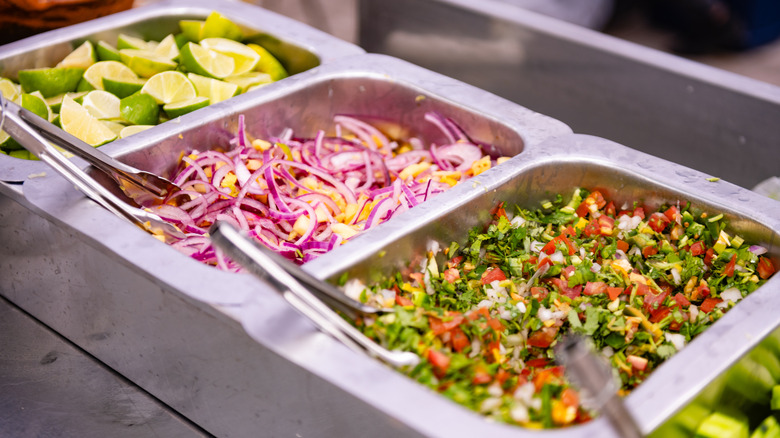
Lots of street food vendors add toppings to the dishes at the last minute or provide a variety of toppings that you can add yourself. But are these uncooked add-ons safe? Some are less safe than others, especially if they're not cooked. When thinking about avoiding uncooked foods, that avoidance should extend to everything from salads, raw and sliced fruit, and raw and sliced veggies to a variety of fresh sauces.
Based on some of the previous advice we've given, safe toppings are ones that are not raw. Watch for ingredients that cooks add after the cooking process is done. For example, you don't want raw bean sprouts, herbs, or chopped green onions because you don't know if they've been washed or contaminated with unfiltered water during washing.
Some toppings should be safe if they've been sitting out without refrigeration. For example, not all sauces and condiments need to be refrigerated. Safe ones are vinegar-based, like hot sauce, have a high sugar content, such as honey, or a high salt content, like soy sauce. Oils like olive oil should also be safe. However, many ingredients require refrigeration. For example, you shouldn't accept toppings of sour cream, mayonnaise, or sauces and dressings made with dairy products unless they're coming out of a refrigerator. Even then, the dairy-based toppings may not be pasteurized. Salsa, fresh chili paste, and guacamole could also be questionable.
Are the toppings dried?
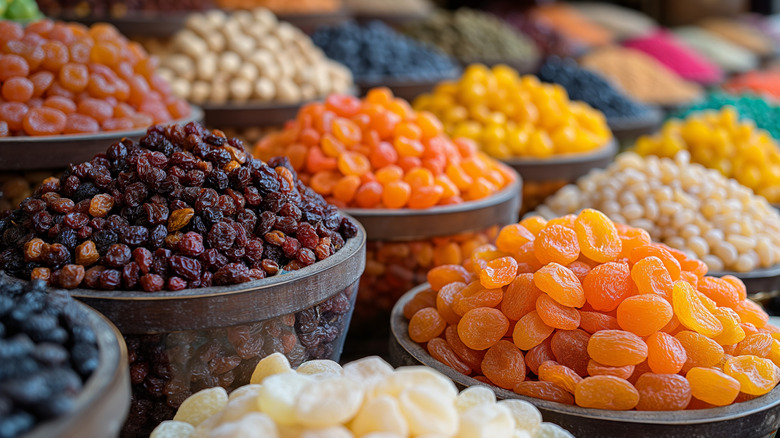
One safer topping type you might encounter is dried foods. These tend to be safe without refrigeration and shouldn't be a problem unless you see the vendor engaging in unsafe practices. You'll want to ensure that the cook isn't sprinkling them on freshly-cooked food with dirty hands instead of utensils or using the same utensils they're using for other ingredients. Examples of dried toppings include dried herbs and spices, dried fruit, roasted nuts and seeds, crumbled chips, or dried veggie pieces like dried onions.
Drying foods not only helps them last longer on the shelf, but it also eliminates the water activity that makes it easy for microorganisms to breed. While there's still a potential for contamination, it's usually less in dry foods, making dried toppings a safer bet. However, humidity and storage matter. So, you'll want to notice the environment where dried ingredients are stored because they could become a breeding ground for microbes if they're allowed to become wet or damp, especially if they're also exposed to heat, like being outside in the hot sun.
Plus, you'll want to notice any unsafe handling or storage practices that could introduce contamination. Dried toppings need to be in separate containers in an area where they can't be contaminated by other foods. If the dried ingredients are available for customers to add themselves, there could also be the potential for customers grabbing them with their hands or interchanging utensils between wet and dry ingredients.
Are the drinks professionally bottled?

Water quality may not be a problem in every country or city you visit, but if it is where you are, you'll want to be diligent to know the source of what you're drinking. If contaminated water or ice could be an issue, only accept professionally-bottled drinks. Even with drinks made with fresh fruit, you also don't know if the water is filtered or not, or if it was processed with clean knives or equipment.
Another potential problem with drinks that you likely haven't considered is ice. Whether it has cubed ice or is made with crushed ice, there's the potential for the ice to have been made with unfiltered, dirty water. Freezing temperatures just temporarily inactivate microbes rather than destroy them.
Professionally-sealed drinks are important. You'll want to avoid fountain drinks if the city's water supply is questionable. Even filtered water isn't necessarily safe from all pathogens. And don't forget that freshly-squeezed fruit juice can be contaminated with water or during the prep process. One phenomenon we encountered when traveling in India was street vendors who would refill water bottles with unclean water and sell them as new, offering to open them for you. Therefore, be sure you're breaking the seal yourself. Also, beware of fake bottles being sold by bootleggers with slightly modified labels, making it important to know what the branding should look like. Even better: Buy canned drinks rather than bottled.
Are there flies swarming the food?
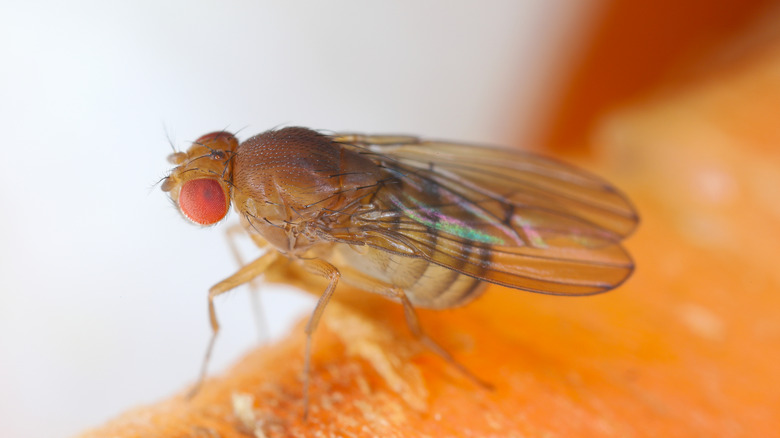
If food is made outdoors, it's impossible to expect there to be no flies around, but it's not a good sign if the stall has a swarm of them. Swarming flies can be an indication of sanitation problems as well as a source of spreading foodborne illnesses. The flies can give you an insight into cleanliness. For example, they tend to be drawn to trash, feces, decomposing food items, standing water, and damp areas where they can lay eggs. With a typical house fly being able to lay 500 eggs in just three or four days, an area that has cleanliness concerns could easily be the site of a swarm in no time. Thus, flies might give you an idea of what's happening behind the scenes in prep areas you can't see.
Flies are disease vectors because they transfer bacteria that can cause illnesses to everything they touch. In fact, they're known to be able to carry about 100 different pathogens that can make people sick. Both their body hair and sticky feet hold onto a variety of pathogens and pass them along as they move between dirty surfaces, uncooked food, and cooked food. Even if the food vendor you chose is doing everything right, the fly has likely visited other less sanitary food stations in the area as well as nearby garbage receptacles. Thus, when flies are present, you'll want to watch to see which vendors are covering their ingredients and which aren't.
Are there long lines?
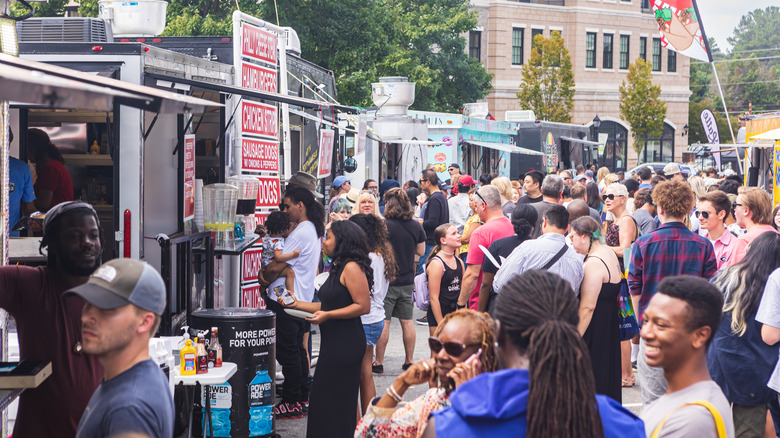
Long lines can tell you several things about a street vendor, including that it's probably a good and safe place to eat. If you don't know where to go and don't want to have to scrutinize every little thing, follow the lines. Long lines can be a good indication of where the locals are eating. Of course, there are exceptions to this if it's grand-opening week or everyone looks like they're from out of town. A good mix of locals and tourists and a variety of demographics can be a good sign, too. A line with lots of university students probably tells you that it's cheap food. Obviously, if it's a popular business, the vendor isn't going to want to do anything to make their customers disappear, such as having hundreds of people trace their foodborne illness back to their food stall. Rumors of bad food and getting ill from it can travel faster than rumors of good food.
Another thing that a long line tells you is that the food hasn't been sitting out as long because they're moving the product quickly. Something else to watch is what time the locals start to queue up at the more popular food stalls. The food is going to be freshest when it's the right time to eat, and those long lines can tell you a little about what time the vendor is likely to have just pulled out fresh ingredients to make the food.