

This Is What Makes Japanese Beer Special

If you've ever tasted Japanese beer, you know it brings a certain pleasure to the palate. Whether you like it, love it, or are not quite sure, it's definitely memorable. Mainstream brewers such as Asahi and Sapporo are the core of Japanese beer culture, but some of the most interesting and prized beers are part of the thriving craft-beer movement. After regulations in Japan changed during the 1990s, hundreds of microbreweries have emerged, churning out everything from yuzu-infused brews to obscure brands tucked inside Japanese restaurants and stores, both at home and abroad.
The Japanese brewing industry pulls from elements of traditional Japanese culture, as well as utilizing the customary devotion to precision, innovation, and meticulous brewing techniques. One defining characteristic of Japanese beer, especially those in the microbrew category, is the light, crisp, clean flavor that comes primarily from them being dry, rice-based lagers. But it's a bit more nuanced than that, with some winter brews incorporating things like yuzu and sweet potatoes for deeper umami flavor. Beer agnostics may even change their minds when experiencing these types of Japanese beers.
An obsession with detail is core to the consistency and high quality of Japanese beers, with brewers fully dedicated to things like water purity, fermentation temperatures, and superior ingredients, much like the traditional care given to ages-old Japanese sake. That helps keep standards high for consistency, clarity, and balance.
Two unique Japanese beer types
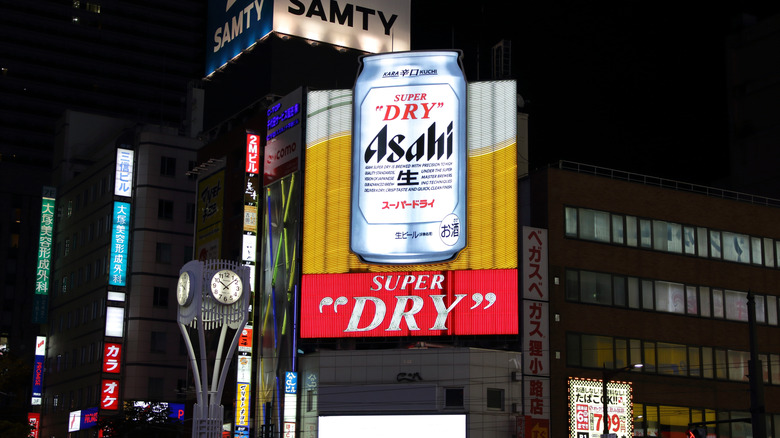
You may have heard the term "karakuchi" in discussions about Japanese beer, but it's really not as mysterious as it sounds. The word karakuchi is used in culinary terms to mean dry, spicy, or pungent, which pretty much defines many of the Japanese beers on the market. The term refers to the refreshing flavor that comes from blending rice with barley, and often adding extra carbonation for the signature karakuchi kick. Rather then leaving lingering sweet notes, the finish zings in a lighthearted grand finale.
A good example of karakuchi-style beer is Asahi Super Dry, which is readily available in many U.S. stores and is served in at least 70 countries worldwide. It's considered the granddaddy of the dry-beer revolution and, like other beers in this genre, pairs well with sushi, ramen, yakitori, and classic izakaya dishes. It's also very compatible with tempura and grilled foods.
Another Japanese beer to be aware of is called happoshu, translated as "sparkling spirits." It's basically Japan's take on a low-malt beer, which appeals to lighter drinkers while also circumventing high taxes on regular beer. By keeping malt content below roughly 67%, and as low as 25%, breweries can label happoshu differently and sell it at lower prices — sometimes as much as 30% less than regular beer. They're budget-friendly, light, and fun for casual sipping, containing from 4 to 6% alcohol.