

13 Simple Ways To Elevate Risotto
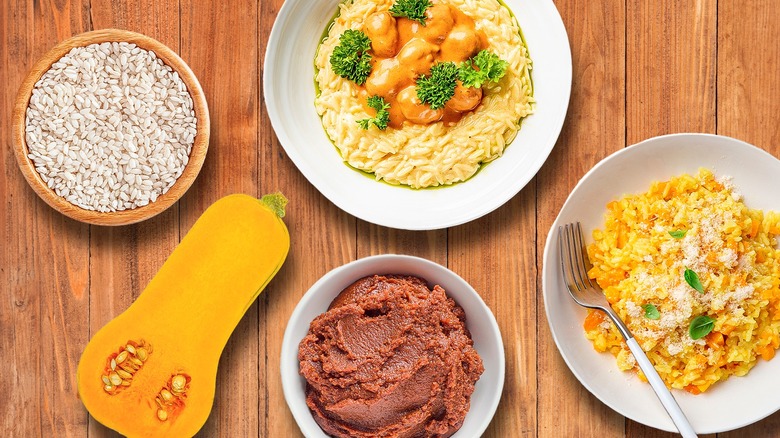
When we think of rice dishes from around the world, paella, fried rice, jollof rice, and, of course, risotto come to mind. The list is a mile long, and every dish is laden with intense flavors, varied mouthfeels, and an array of proteins, fruits, vegetables, nuts, seeds, and herbs. While risotto is a well-known Italian dish, it isn't something people frequently whip up in their kitchen. Although if you have experience and know how to cook it well, it may be a staple in your home. Until you get the hang of it, it's easy to end up with a mushball of starch. As a recipe designer and chef, risotto was one of the dishes I learned to master early on. If you experiment with these simple ways to elevate risotto, you'll have a go-to dish that tastes gourmet and is perfect for a date night, celebration, or even just dinner for one, standing at the kitchen counter.
Add-ins can take your risotto to the next level, but many of the following tips and tricks have to do with the technique used to prepare the dish. Most of these tips won't cost you a dime. However, keep in mind that fresher, higher-quality ingredients will make a huge difference in both flavor and texture, so if possible, grab your produce and protein at a local farm, farmers market, or home garden. Risotto is naturally gluten-free and can easily be made vegan, so it's the ultimate dish to make for a large group with varying preferences and allergies.
Skip washing the rice
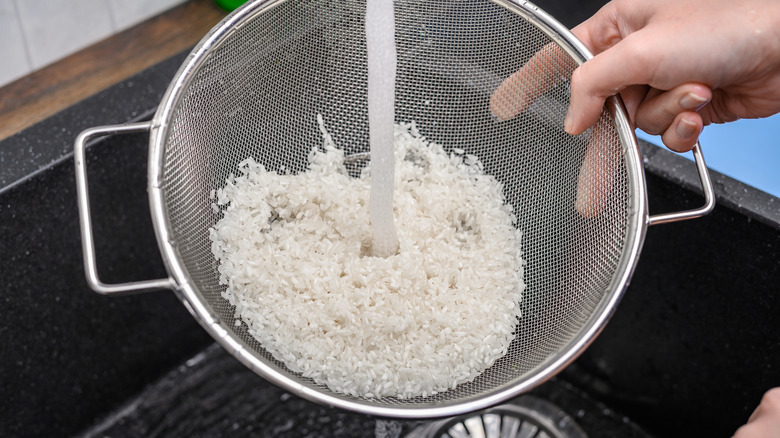
Should you rinse the rice when making risotto? Ah, the age-old question. To rinse or not to rinse. Most rice requires a good rinse. You should rinse it until the water runs clear to prevent that starchy, creamy, sticky texture that makes average rice ultra clumpy. This helps wash away any dirt, stones, or even arsenic. This is a step that often gets overlooked but makes a huge difference in the flavor department. However, when making risotto, ideally with Arborio, Carnaroli, or Vialone Nano rice, you'll want to forgo bath time altogether.
That's right, no rinse required. That starchy film holds risotto together and makes it one delicious glob, for lack of a better word. The creamier, the better. That means your risotto goes right from the container into the hot pan. And unlike rice, you'll avoid adding the grain alongside water; liquid comes later. Hey, this simple way to elevate your risotto actually saves you time and costs you nothing. Not all tips and tricks require effort and money.
Add salt water
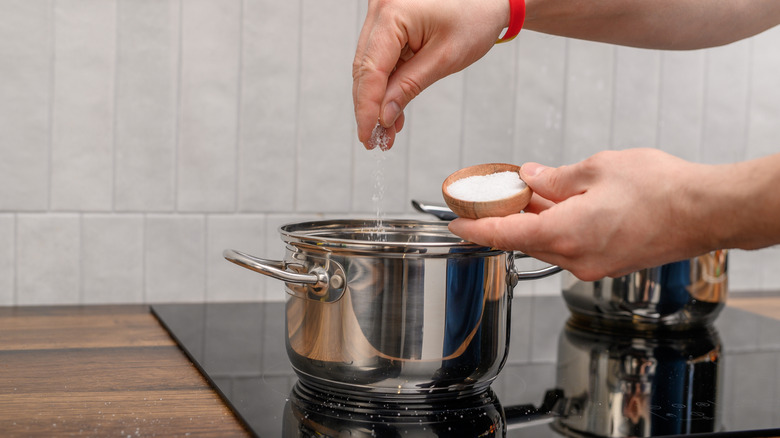
Salt is usually a must, even in the world of desserts. But how much salt do you add, and when do you add it? Although you may not have consciously thought about it, the timing of when salt is added makes a huge difference in your eating experience. For instance, how do you feel about a salty cookie? What about a chocolate caramel swirl cookie with flaky sea salt sprinkled on top?
When salting a savory dish, there are a few ways to play the game. I like to salt my food early on in the game, and then finish with a dash. For risotto, you'll want to be sure to add it early on so that the rice actually absorbs it, helping it to penetrate the grain and reach its full potential. An easy way to obtain this is by salting the liquid before it's even added to the risotto. This is the secret step that will make your risotto taste better. Add enough salt so that the broth tastes just about as salty as the ocean. It may seem like overkill, but this is how you get restaurant-quality risotto, bursting with flavor.
Mix in cashew cream
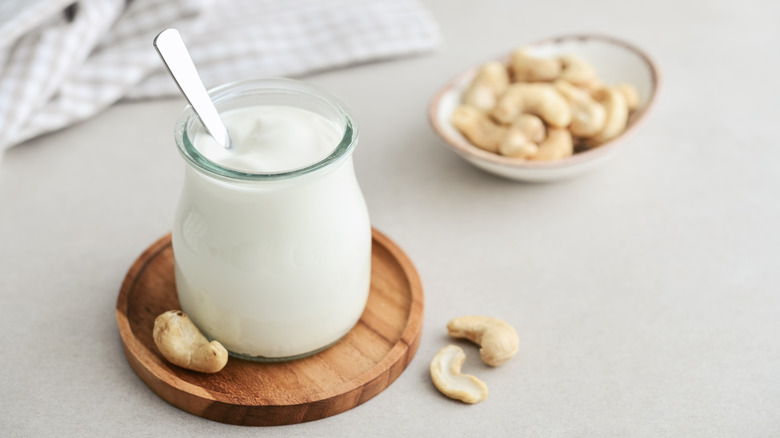
I'm always looking for dairy-free ways to make my risotto even creamier. Even though the olive oil, starchy water, and technique that bring it all together should provide enough creaminess, sometimes you're just in the mood for something even more dense. I prefer cashew cream to milk, cream, or a milk alternative like soy or almond because you have complete control over the consistency. In addition, it's nearly flavorless, so it won't affect the flavor outcome of your dish.
To make a nearly flavorless cashew cream, simply blend raw cashews that have been soaked in water until they are soft. These cashews should be blended longer than you think you need to in a high-speed blender. Add water for a thinner consistency. In addition, I like to add a little salt, lemon juice, and the tiniest pinch of maple syrup or sugar to create flavor and balance. You only need a few tablespoons of cashew cream to give your risotto an incredibly creamy, dense, and heavenly texture. It's one of the best ways to use cashew cream in your cooking.
Heat your stock before adding it
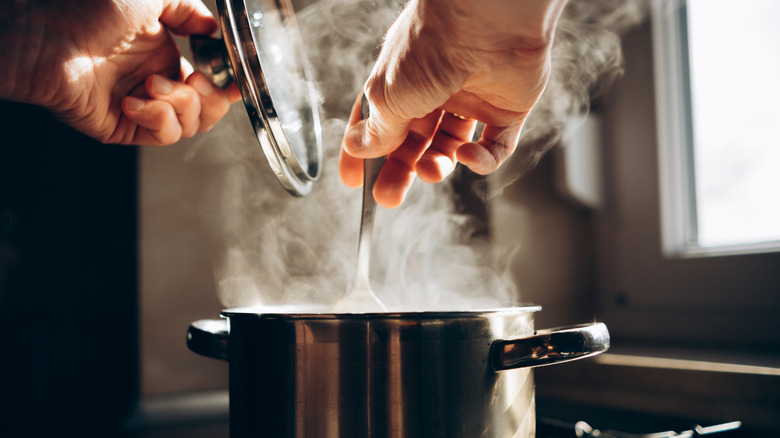
Picture this: You're far enough along in the process of making risotto that you are ready to start adding liquid. You've toasted that rice, the onions and garlic are sizzling and sweet, the oil is hot, and you ladle in a big scoop of cold broth. Immediately, your rice is disrupted and stops cooking. It takes minutes for it to catch up to where it was, and the heat never fully reaches the center of each grain. Plop, you do it again and start the heating process all over. The problem is that using cold stock can ruin your risotto, but there is a simple way to avoid going in circles: Heat your broth or stock.
Consider heating it in a pot on the stove next to your risotto. Let it warm up, then crank the heat down to keep it hot but avoid a boil. Adding liquid that's just as hot as the rice will ensure that the grains cook fully, evenly, and without interruption. In addition to helping the rice cook, heating the broth helps to release all of its good flavors, which can then more easily penetrate the rice. And boy, will your kitchen smell wonderful.
Select the right wine

If you're confident in your wine pairings, then choosing a wine to deglaze your risotto pan won't be too difficult. At its most basic, choosing a wine to use when cooking risotto is somewhat subjective, like most arts that use one of our traditional five senses. There are some basic rules to follow, but at the end of the day, it's best to find the flavors that tickle your fancy. After all, you're the one enjoying the cooking.
Start out by deciding what kind of risotto you're making. Is it tomato-based? Are you using lemon, cheese, mushrooms, or fish? The wine must pair with the seasonings and additions, as risotto is simply a vehicle for flavor. If you're using more robust, umami ingredients, select an earthy red. For fish and summer vegetables, go with an airy crisp white. If you're lost in the dark, a simple pinot grigio or sauvignon blanc can get the job done fairly consistently.
Be authentic by using the mantecare method
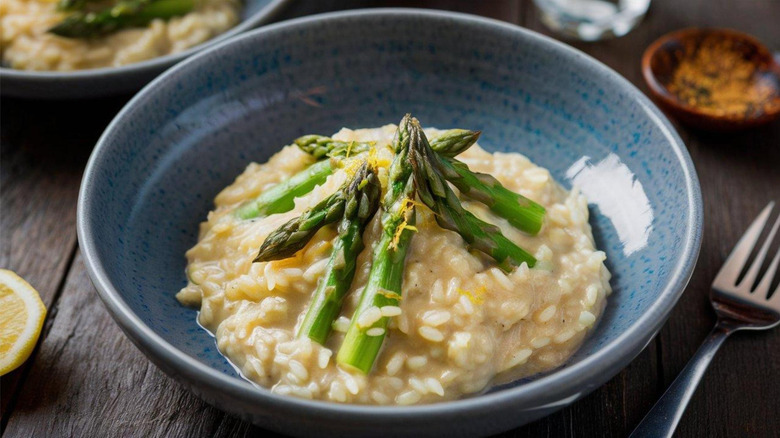
There's a big misconception that risotto is traditionally made with cream, because it's so dense, delicious, and well, creamy. You can, of course, add cream to enhance it, but if you're looking for your dairy fix, a sprinkle of fresh parmesan is a bit more traditional. So then, how do Italians get their risotto so creamy? They use something called the mantecare method, which, at its most basic, is the way they combine the starchy risotto water with fat. The end result is called mantecatura.
It's one of those culinary skills that takes a bit of practice, but once you nail it, you can use it in so many capacities. The mantecare technique can produce creamy dishes like risotto and pasta, which can help the sauce stick to the noodles. To master this technique, reserve some of the starchy pasta water when straining the noodles. Return them to the stovetop with your setting on low or fully off, and stir in a small amount of starchy water along with a fat, such as olive oil, cheese, or cream. But for risotto, we love a high-quality extra virgin olive oil. Of course, we won't be straining any rice, so the starchy water is found right in the pot during the cooking process. Magnifico, risotto mantecatura!
Let it sit
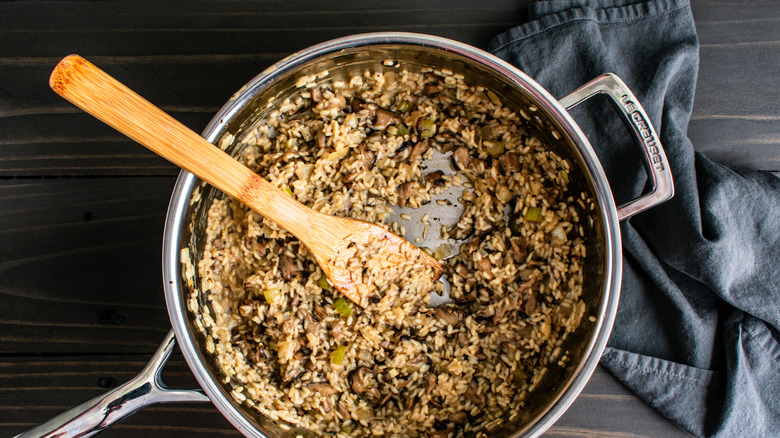
Some recipes require constant attention, poking, flipping, whisking, and testing. Sometimes, we find ourselves giving low-maintenance meals a little too much attention, which can cause issues. Mushrooms on the stovetops, burgers on the grill, pancakes on the griddle, and fish pretty much anywhere just need to be left alone, with very little manipulation. Risotto is both low maintenance and finicky. One mistake you can make is overstirring it, unless you want a big glob of starchy, sticky mush. So, do you really need to constantly stir risotto? No. Phew, that makes your job easier.
However, you will need to stir risotto to prevent it from sticking and cooking unevenly. Furthermore, stirring it is what creates that creamy texture. I like to stir my risotto one to two times a minute to help keep the cooking temperature even throughout and to incorporate some air. Be sure to stir the risotto each time you add warm liquid as well, but don't feel like you have to set a kitchen timer for every 30 seconds. Just hang around the pot, keep that wooden spoon in your hand or accessible, and enjoy the ride by chatting with friends while you man the pot.
Add miso
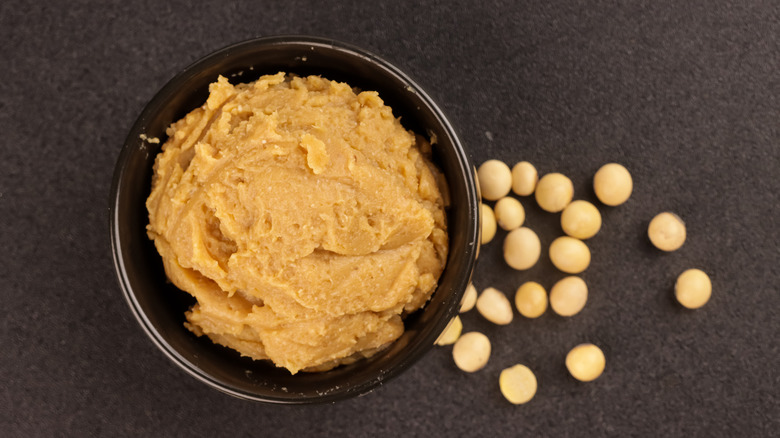
For those of us who love an umami flavor, we are constantly thinking of ways to sneak it into our savory dishes. Miso is one of the easiest ways to ensure that your recipe has a meaty, savory undertone of flavor, even if your risotto toppings aren't umami-related. However, I love asparagus and mushrooms in my risotto to contribute to the beautiful umami, along with a nice dollop of light miso whisked into the rice. Miso is simply fermented beans, usually soy, made into a very salty paste.
An even easier way to sneak miso into your risotto, ensuring it penetrates each grain, is by adding the flavorful vegan broth that's perfect for risotto: miso broth. You can also whisk miso right into a pre-made or homemade broth to give it a boost, just note that you are adding more salt to the mix. This is a good way to dissolve and evenly distribute the miso, as it can be rather clumpy if not whisked in properly. Miso does add a creamy element to the risotto as well, similar to the creaminess in miso soup. Although fermented soybeans may not sound appealing, don't knock it until you try it.
Use a wide pan
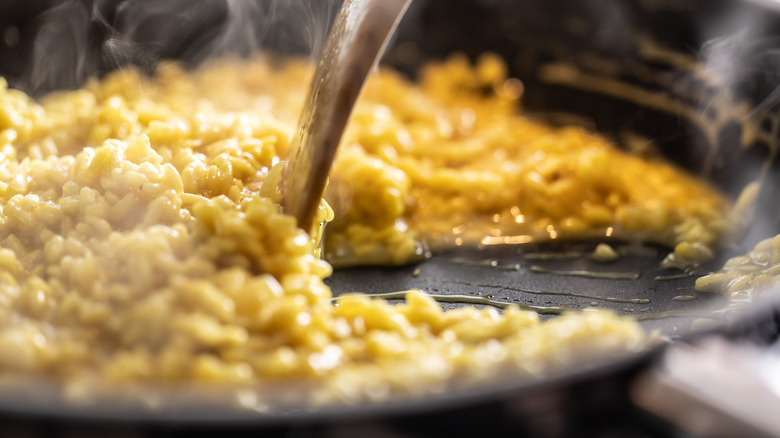
You chose your ingredients and lined them up on the counter. You're ready to pounce, wooden spoon in hand, possibly a glass of wine in the other. But which pot should you go with? Firstly, keep in mind that risotto expands once it is cooking, so you may spring for a bigger pot than you might initially consider to prevent an overflow situation. Next, let's talk shape. Even if you're making a large quantity of risotto, don't grab the corn or lobster steaming pot that towers over all other pots. You'll need something wider and shallower, like a paella pan.
There are a few reasons why I prefer a wide shallow pan, and the main reason has to do with liquid evaporation. Part of what makes risotto so starchy is the wonderful starchy rice water that's made extra creamy by forgoing any rice rinsing. As water evaporates, you're left behind with a condensed stock, which is also ultra creamy since the starch itself isn't evaporating. A wider pan allows for more evaporation. Another reason I spring for that shallow pan is for a more even heat distribution, which ensures evenly cooked rice.
Add squash early on

One of the beauties of fall in New England is the kale and squash obsessions. And boy, do they start early. You can hear the words "pumpkin spiced" ringing from just about any corner of the country after that first leaf falls. And honestly, I'm here for it. Along with the pumpkin spice seasoning, it's important to also use some actual pumpkin, or winter squash in general. Butternut squash has taken the forefront in the pasta department, and we can't get enough of it stuffed into ravioli, mixed in our fettuccine, and of course blended into risotto.
There are other sweet and creamy squashes to consider, like blue Hubbard, honeynut, and kabocha. Whichever squash or pumpkin you choose, just be sure to add it early to the risotto-making process. This gives it enough time to break down, caramelize, sweeten, and contribute to the creamy starchiness surrounding it. If you're using fresh squash, feel free to roast it first to give it an extra sweet caramelized flavor, or pre-steam it to help it break down into a creamy-dreamy mush.
Toast the rice first
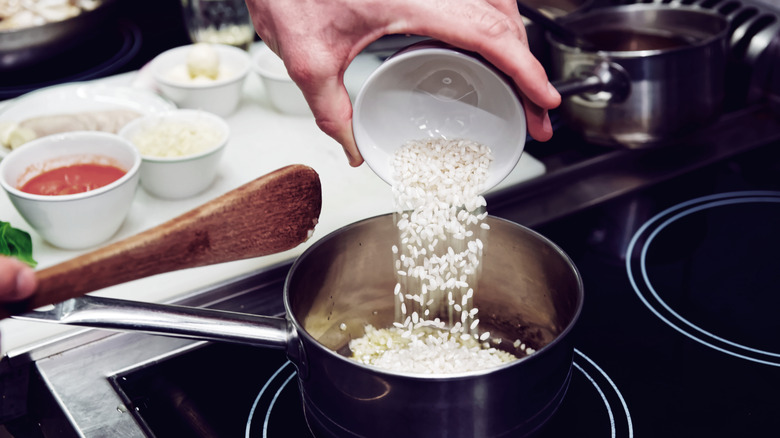
Risotto isn't the easiest recipe in the world, just because there is a specific sequence of events that need to take place. Once you have it down, it will feel like a breeze, so it's nothing to shy away from. One of those important steps involves adding the rice to the pan. You'll want to cook your aromatics first, adding plenty of oil. Once that oil is hot and those onions, garlic, fresh herbs, and whatever else you've chosen to incorporate are fragrant, it's time to add your rice.
You may want to consider toasting the rice. Yes, that means letting the rice cook in the oil before adding any liquid. You'll want to use your wooden spoon to keep it moving to prevent burns, and do this for at least a few minutes if not longer. Doing so adds sweet and nutty notes and helps the grains release starch evenly, which will improve both the flavor and texture of your dish. This tip doesn't just apply if you're going gourmet, as you'll need to toast the rice in all risotto recipes, even a simple weeknight parmesan risotto.
Simmer, don't boil
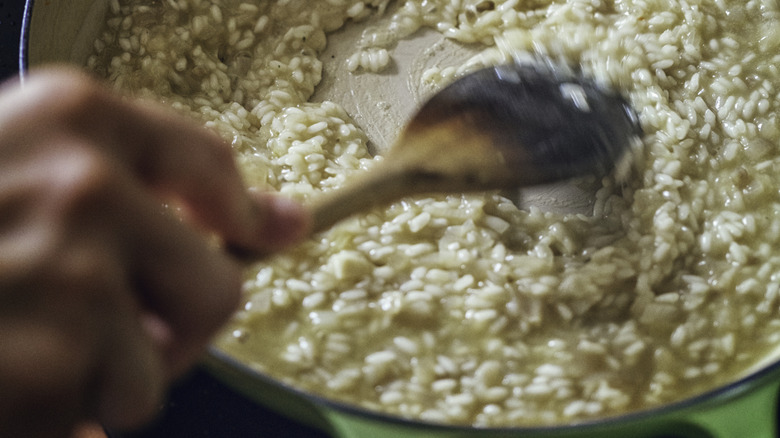
Risotto is a process. It takes patience, attention, and time. It's not the dish you want to dive into with toddlers running around, or if you're tired from a long work day. Cooking the rice takes between 25 and 40 minutes, and who knows how much you'll need to put into preparing and cleaning the vegetables. You cannot speed along the process, especially by cranking up the heat. It's okay to be impatient, but it's not okay to rush risotto.
Your risotto should at no point be boiling. What you'll want to look for is a light simmer. Boiling would be indicated by large bubbles, bursting at the surface, while a simmer promotes movement of the surface with little bubbling. If the heat is cranked up too high, you may burn your rice, it may cook unevenly, and you'll have a hard time getting it to stop cooking once you remove it from the heat. Preferably, you'll want to set your stovetop to medium-low, or as high as medium. Depending on the quantity of risotto, you can adjust this temperature, but I wouldn't recommend going above medium. Be sure to leave your pot uncovered to allow the liquid to evaporate and make it more accessible for you to stir the risotto as needed. Even though a lower heat will take more time to cook, the consistency of the dish will be a lot more pleasing.
Add liquid one ladle at a time
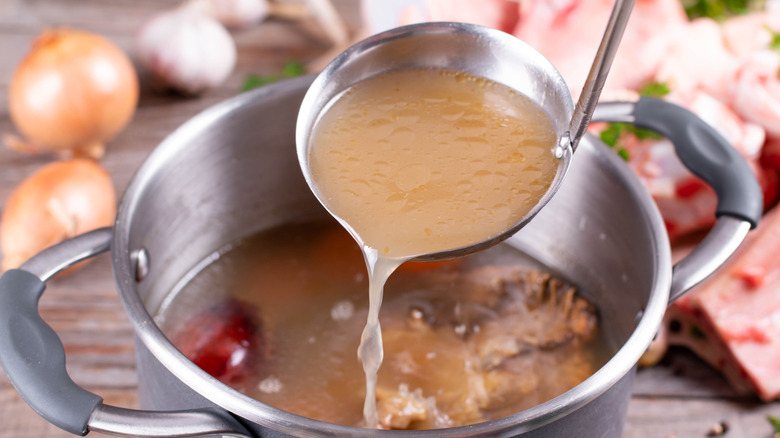
Risotto is both a science and an art. Picasso mastered realism before he developed cubism. If you have a base knowledge of your liquid-to-rice ratio and know what to look for, then you don't have to worry about measuring your liquid at all. If you're shooting in the dark, then following a recipe can give you a general idea of how much you'll need to add when all is said and done.
This being said, depending on the shape or material of your pot, the temperature of your stovetop, and the frequency of your stirs, you may need less or more liquid than is called for. This is why I always recommend adding it just one ladle at a time. Once you've added a scoop, wait for it to fully absorb and evaporate before adding another. At the end, it's advisable to add one last ladle full, as the risotto will continue to cook as long as it's piping hot. If you add your liquid all at once, your rice may end up swimming in liquid, and it won't evaporate to the correct consistency. Adding stock to risotto slowly will ensure a desirable texture and prevent a starchy soup from forming.