

Do You Actually Need A Professional Chef's Kitchen In Your Home? Here's What To Consider Before Dropping Big Money
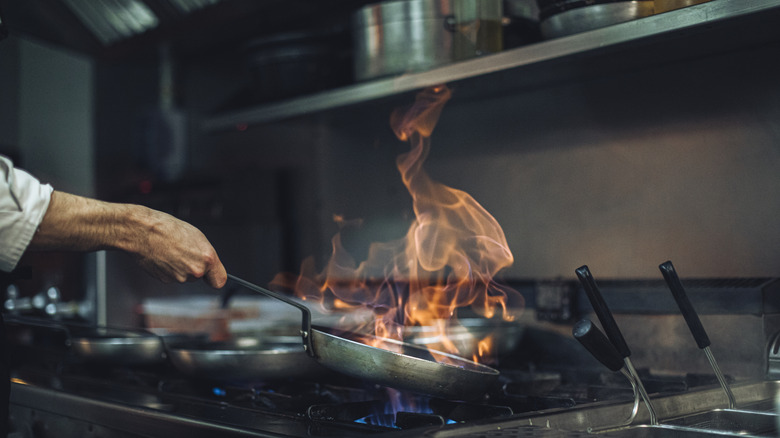
Spending your days dreaming about what you'd make in a combi oven, binge-watching every episode of "Chef's Table," or curating themed menus for weeknight dinners? Then it might be time to upgrade your home kitchen to a chef's kitchen.
Although there isn't a set standard for what defines a chef's kitchen, from a culinary and interior design perspective, it's important that the kitchen is set up to mimic a professional kitchen a chef could use to prepare dishes that require advanced techniques. This means having ample space for storage and movement, accommodating multiple people in the kitchen simultaneously, as well as having designated areas for preparation and specific kitchen tasks. Picture an open kitchen plan that promotes flow, complete with a spacious island for gathering when cooking with and hosting others.
Most chef kitchens also include stainless steel, high-quality appliances such as a Sub-Zero freezer for advanced food preservation, a gas range with up to eight burners for quick, even heat, and double sinks for convenience during cleanup. By investing in high-end appliances used by top chefs, you can ensure that your kitchen is equipped to prepare meals at a higher standard.
How much does a professional kitchen cost?
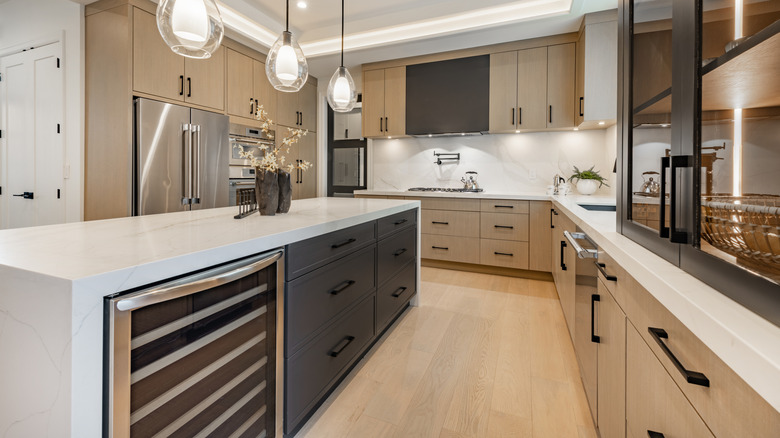
First things first, when considering a major kitchen investment, you should consider yourself to be an avid and serious cook, ideally someone who understands their way around a professional kitchen. While pricing can vary, a midrange remodel in 2024 costs around $79,000, with a return of about 50% of your investment when you sell.
But this cost depends on your build-out, as you can customize your chef's kitchen to your specific needs and uses. For example, you might want to consider installing a lowboy for your mise en place and condiments, while others might prefer a wine fridge for optimal wine storage. Do you want multiples of similar appliances for efficiency? Other nice-to-have — but not necessary — potential features to consider are a built-in holding or warmer cabinet to keep your food warm, or specialty appliances such as a combination oven, more commonly known in kitchen terms as a combi oven, and a sous-vide precision cooker.
Lastly, with investment comes responsibility. To get the most out of your upgraded kitchen, consider organizing it as a professional chef would: Storing your dry goods using the FIFO method, minimizing debris and clutter on your countertops for a clean surface, and keeping frequently used items readily available for ease of use.