

10 Herbs To Elevate Your Homemade Biscuits
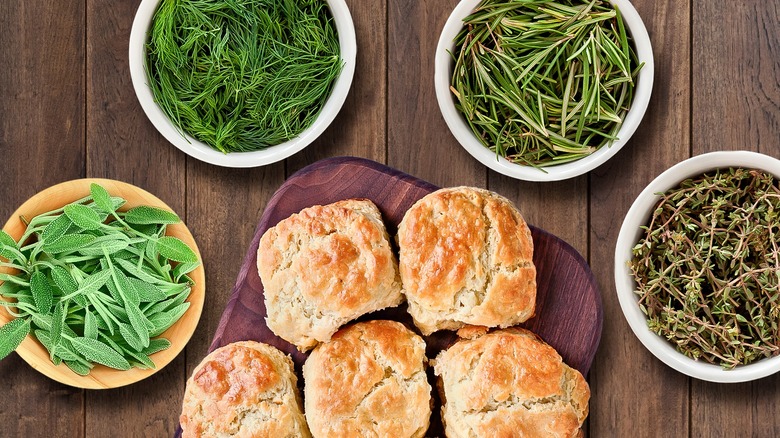
I've done a lot of cooking and baking over the years. I was an enthusiastic home cook and baker from childhood onward, then eventually trained as a chef and even baked commercially for a while. Over that time, I've baked a lot of things — some of them pretty complex — but I found that real satisfaction came from mastering deceptively simple things like biscuits.
I say "deceptively" because although classic buttermilk biscuits take just three ingredients, you can easily mess them up. You could make them tough by overworking the dough or not baking them at the right temperature. Once you've mastered the technique, though, you can use those basic biscuits as the basis for a lot of other treats.
One thing I like to do periodically is add herbs to my biscuits. I'm not going to talk about herb blends, though classics like herbes de Provence or homemade za'atar (or even supermarket Italian seasoning, if it's fresh) work just fine. Instead, I'm going to suggest 10 individual herbs that I've enjoyed in biscuits, along with potential pairings that you can try.
Sage
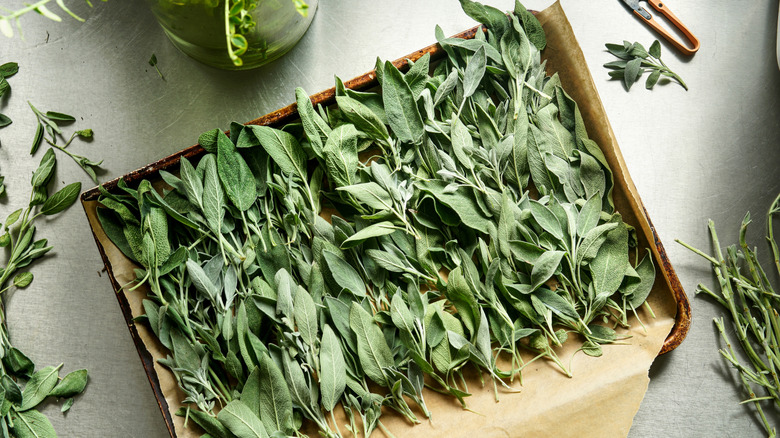
I'm a big fan of sage, and always have it in my garden. If you only keep it on hand to go in your stuffing when you roast a bird, you're selling it short. The fresh leaves, in particular, have a more complex and nuanced flavor than the dried kind (especially if it's old and tired).
I use both fresh and dried sage in my biscuits from time to time, depending on the season. In summer, I harvest fresh leaves, which I slice thinly (sage is an ideal herb to chiffonade) into fine shreds. Through the rest of the year, I crumble dried leaves instead. Either way, I toss the leaves with the dry ingredients before I make up my biscuits, to be sure the sage is evenly distributed. That's always the best time to add herbs, fresh or dried, because if you add them to the finished dough, you run the risk of overworking it and toughening the biscuits.
If you don't have your own homegrown sage to dry, buy the flaky kind rather than ground, which loses flavor quickly. I often serve sage biscuits with chicken or turkey, but they'd also work with sausage and gravy (especially if the sausage is lacking in sage). Sage biscuits are excellent with sharp cheeses, too.
Thyme
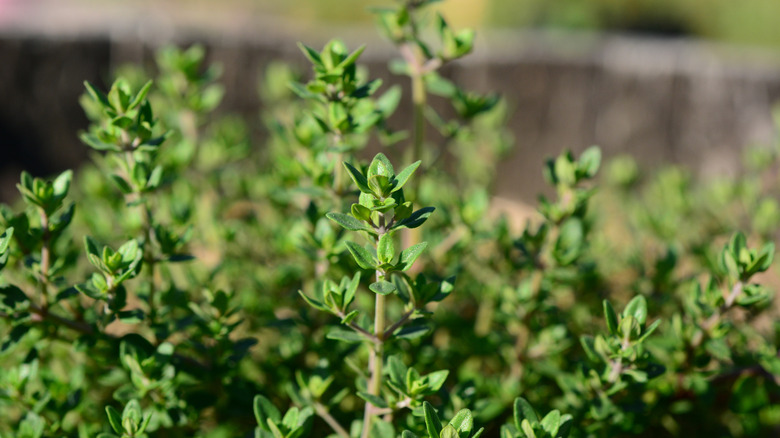
I often refer to thyme as the "little black dress" of herbs in my cooking classes because of its versatility. Its aromatic, slightly peppery flavor works in almost any savory dish, and even (surprisingly) in a few sweet ones as well.
If you're not sure what to look for when buying fresh thyme, it mostly comes down to the color and condition of the leaves. Fresh leaves will look prettier because of their vibrant color. They should be green and glossy, and not fall easily from the stems. Thyme's flavor holds up well when it's dried, so it'll keep well in your pantry. Either fresh or dry goes nicely in your biscuits.
I like thyme in biscuits because it gives them an herbal flavor that isn't overwhelming, but instead nicely complements almost anything you choose to serve with them. Thyme-scented biscuits add a pleasant somethin' somethin' to most meals, and they go well with cheeses or pepper jelly.
Summer savory
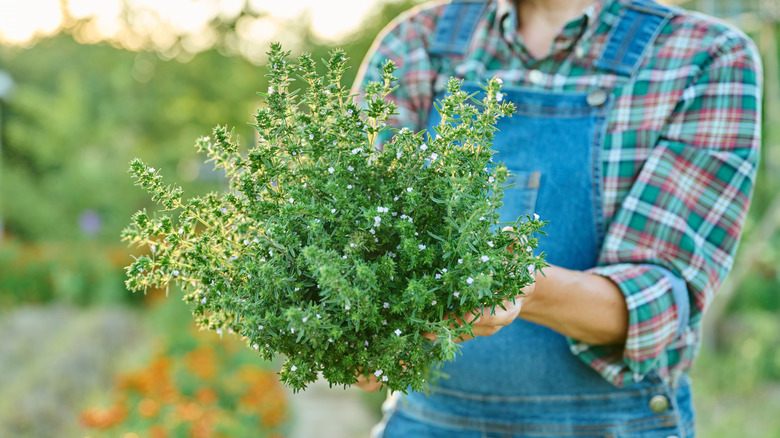
This is a lesser-known herb, but one that enjoys enduring regional popularity in a few places. I grew up in Atlantic Canada, which is one of those places, so its flavor holds a familiar and nostalgic place in my childhood memories. If you aren't familiar with it, I'd describe summer savory as tasting like a mashup of thyme and sage, with a bolder peppery note than thyme can offer. Around here, it's often used with poultry and seafood, and it goes really well with cheese or fresh vegetables.
There's also a closely related herb called winter savory, which tastes more of pine and sage, and is much-loved in Germany, where it's used to elevate green beans. I've mostly grown summer savory, though I have winter savory in my garden this year as an experiment. If you're putting savory in biscuits, I'd suggest trying them first alongside chicken and gravy, or with a bowl of creamy chowder. As with many of these herbs, savory-flavored biscuits also go well with cheese.
Dill
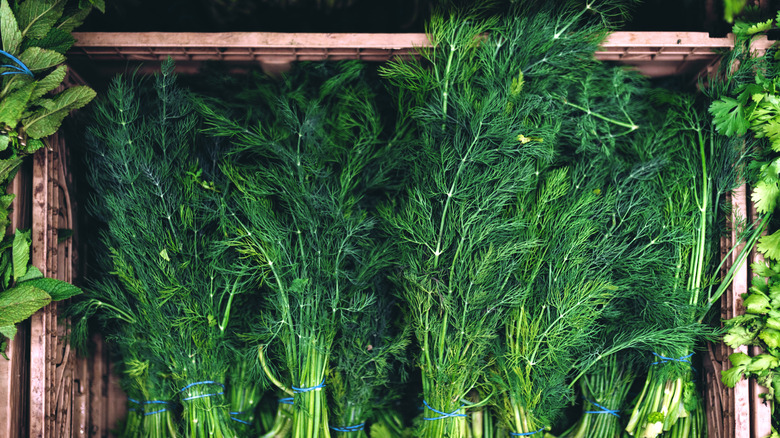
For me, dill is one of summer's signature flavors. It's light, fresh, and pleasant, with interestingly subtle notes that suggest anise or citrus flavors, without really tasting quite like either. Unfortunately, dill is one of several herbs that lose much of their flavor when dried, so I try to always have the fresh fronds on hand in the summertime for cooking and baking. The fronds are quick and easy to chop, as coarsely or as finely as you wish, for adding to your biscuits. Dried dill is much less flavorful, so I'd suggest sticking to fresh unless you're shooting for a ranch-dressing flavor profile.
Dill goes beautifully with yogurt, beets, fresh carrots, cooked greens, new potatoes, and a whole lot of other things. When my garden is in full swing, I'll often make a meal of just those fresh, new vegetables, cooked simply, and dill biscuits make a perfect accompaniment. The dill complements light, summery dishes and flavors in general.
Lemon balm
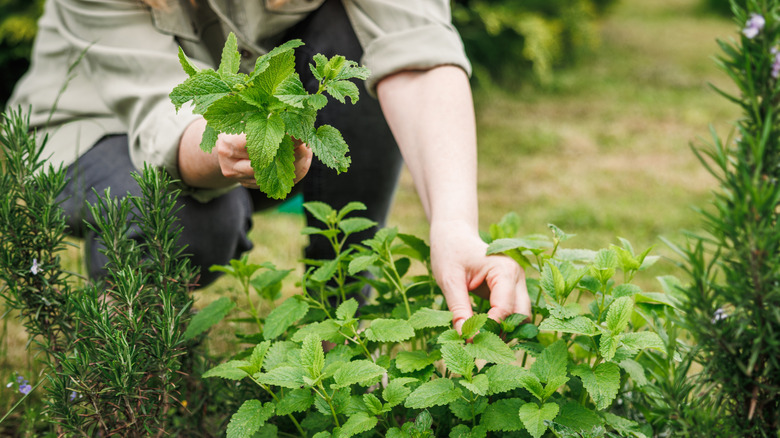
Lemon balm is another herb I use a lot in the summertime, because I grow it in my garden. It's a member of the mint family, which has both upside and downside. A positive is that its leaves are big enough to chiffonade easily, but the downside is that, like others in the mint family, it's really invasive.
As the name suggests, lemon balm has a distinctly lemon-like scent and flavor. I dry it for use as herbal tea, but it's also a wonderful "secret ingredient" in baked goods like cookies, muffins, or cakes (seriously, try it in pound cake), where it's one of the best lemon zest substitutes. I like adding it to biscuits that will be served in a sweet context, with preserves or fruit macerated with a bit of sugar to bring out the juices. Here in my part of the world, biscuits are what we use for strawberry shortcake, and lemon balm in the biscuit gives those an interesting twist (keep a few whole leaves for garnish).
Lemon thyme is an alternative, if that's easier to find in your area. It has a similar (but distinctively different) lemon note, as well as thyme's unique woodsiness. While I usually serve these lemon-scented biscuits with berries or stone fruit, that whiff of lemon would also work well with chicken or fish dishes.
Chives
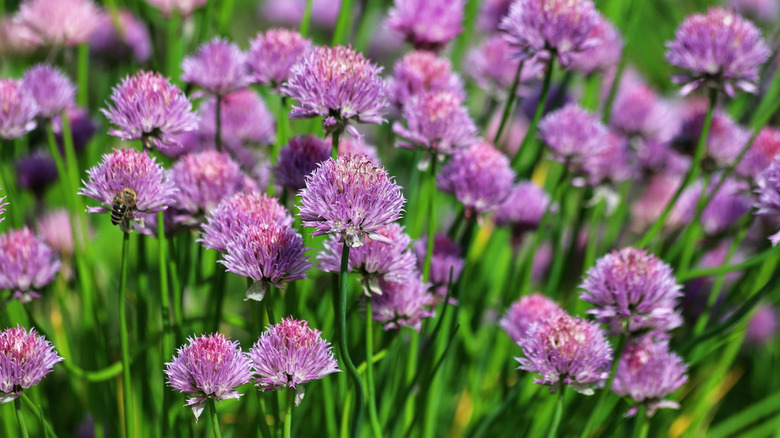
Onions offer one of the most versatile savory flavors, so it's unsurprising that chives — with their mild, onion-y flavor — make a great addition to biscuits. It's common to have some chives left over after buying a bunch for a specific recipe, so incorporating them into this baked good is a great way to use them up.
I have a pretty large colony of chives in my garden (once you have them, you always have them), so I use them lavishly all summer. When I'm putting them in biscuits, I'll take somewhere between 12 and 20 stems and slice them into thin rings before adding them to the biscuits. They give a subtly herbal onion flavor to the biscuits, which makes them a perfect accompaniment to almost any savory dish.
I'll often serve chive biscuits alongside green salads in the summer, turning the salad from a side dish to a light meal in its own right. I've also used chives in biscuits with shredded cheese and browned, crumbled meats, which makes them a good between-meals snack for when you're hangry. My kids loved those as fuel for extended sessions of active playtime.
Oregano
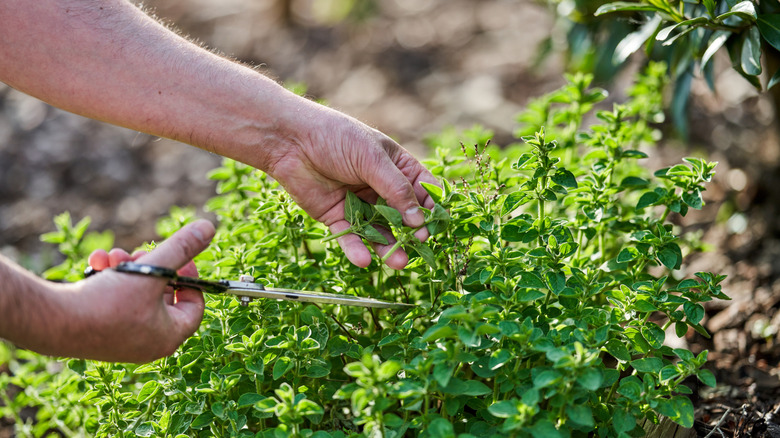
Oregano is one of a handful of herbs that retain much the same flavor profile, whether you use them fresh or dried. The fresh leaves have some delicate flavor notes that disappear when they're dried, but overall, you don't lose much — and that's convenient. Fresh oregano leaves are an in-between size that's just a bit awkward to use whole, but too small to conveniently chiffonade. I tend to stack them eight or 10 deep and slice with a sharp knife, but I know a lot of cooks who simply tear them or snip them with scissors. That works, too.
As for what pairs well with your oregano-flavored biscuits, I'd suggest fresh tomatoes or tomato-based salads, fresh summer vegetables, most cheeses, and dishes using either green beans or dried beans. Greek food in general is notably oregano-friendly, too. As an alternative, you might also use marjoram, a closely related herb that tastes much like oregano, but lighter and slightly sweeter.
Rosemary
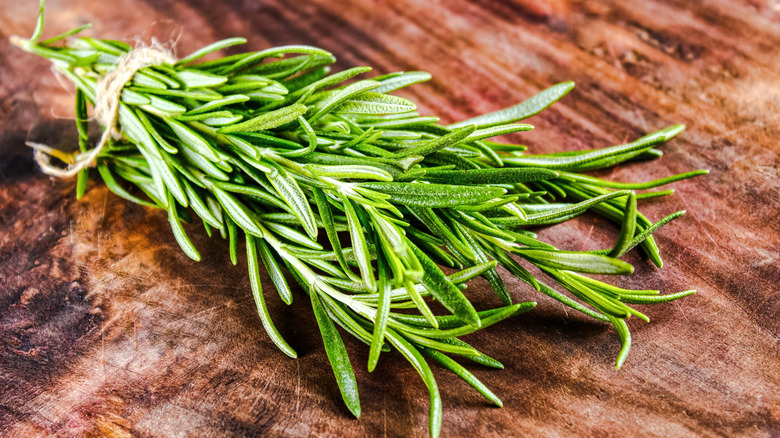
Some herbs are more potent than others, and it's easy to use too much. Rosemary is one of those herbs, but I love it anyway. Rosemary's bold, aromatic flavor comes through nicely, whether you use the fresh or dried version. I prefer the fresh when I have it, because it gives a more complex and nuanced flavor, but dry works fine as well. Either way, you'll need to chop or mince it thoroughly, because rosemary is relatively woody and chewy (like the needles from an evergreen tree) — big pieces are not your friend.
It's a versatile herb, and I especially like to use it with roasted and grilled meats or poultry, which are also obvious pairings for rosemary-scented biscuits. I find these biscuits pair nicely with either bright summer flavors or slow-cooked, savory winter stews. Rosemary has an especially strong affinity with garlic, so that's also something to keep in mind.
Lavender
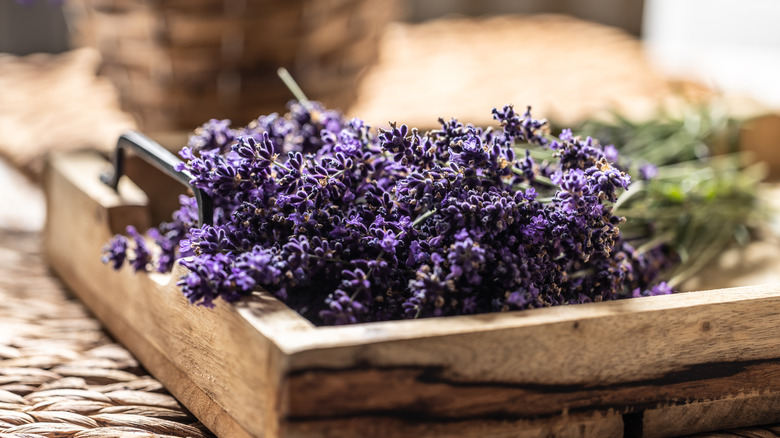
Lavender isn't usually thought of as a culinary herb, but I enjoy using it occasionally in both my cooking and baking. It'll sometimes come across your Instagram feed as a baking ingredient, usually in the form of shortbread cookies with lavender. I find lavender to have a flavor profile that's similar to rosemary in many ways, making it an intriguing rosemary substitution in a lot of savory dishes and baked goods. They share similarly forest-like evergreen notes, but lavender's flavor is more floral. Because of those floral overtones and their strong association with perfume and cleaning products, you'll find it's best to bake with lavender in small amounts.
You can incorporate the minced, fresh, needle-like green leaves if you have them, or either fresh or dried blossoms (if you go with the dried kind, make sure they're culinary grade). You can pair lavender-scented biscuits with most of the same foods that go well with rosemary, but I'd suggest trying them with just a pat of butter and a drizzle of good honey. They're wonderful that way.
Basil
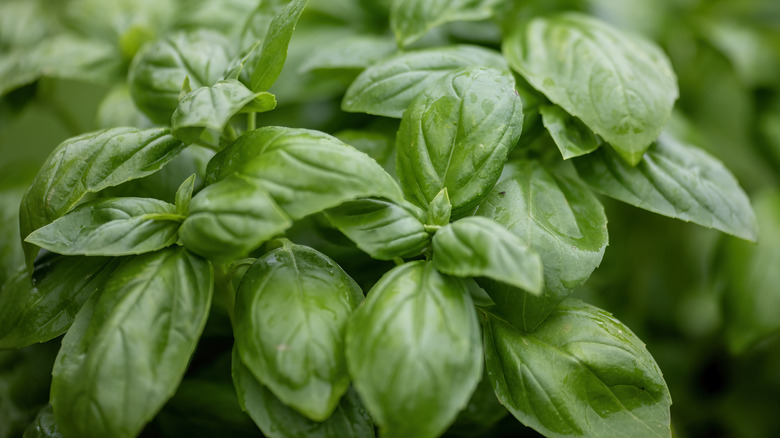
Like dill, basil is one of summer's brightest, freshest flavors. It's a mainstay of Italian and some Southeast Asian cuisines, in particular, but once you start experimenting with it, you'll find that it works with some flavors you wouldn't necessarily predict (I'll circle back to that).
Basil leaves are bigger than those of most common herbs, so here again, your best bet is to chiffonade them for use in biscuits. The leaves vary pretty widely in size, so if you have a mix of large and small leaves, use a large one to wrap the smaller leaves for slicing. If the leaves are especially large, you may even want to cross-cut the fine strips to make them shorter and more bite-sized. Then, as with other herbs, toss them with the dry ingredients. Dried basil doesn't taste quite the same, but it still works well in a biscuit.
American-style biscuits aren't often served with Italian-style foods, but basil-scented biscuits are great for sopping up leftover sauce from your plate. They're also an excellent accompaniment for light, summer chicken dishes, including chicken salad. I find that basil goes well with many summer fruits and berries (grapes, peaches, blackberries), so don't be shy about stretching your boundaries.