

You Can Trust This Condiment To Last Long After The Others Get Mold
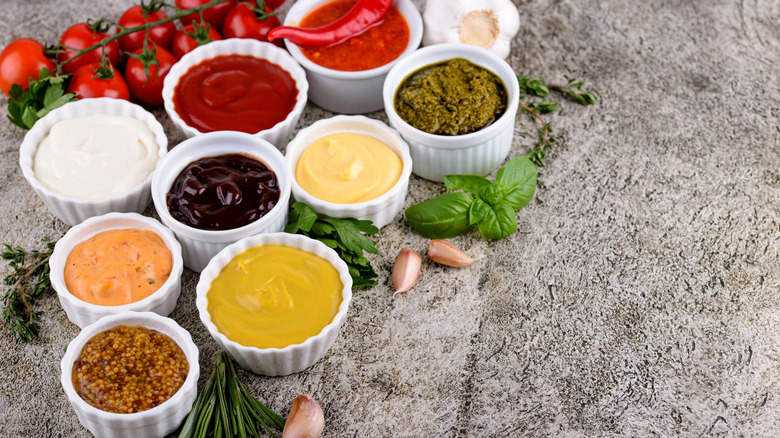
We've all been there, clearing out the condiment graveyard tucked away in the farthest reaches of our refrigerators: from the fish sauce that marked your brief foray into Thai cooking to the store-bought dressings that promised to elevate your burgers. There's a particular sting that comes with finding barely-used bottles of sauces and spreads, each one purchased with good intentions for a specific recipe or to complement a particular meal, only to be abandoned after a single use. And then there's the seemingly indestructible bottle of mustard, which remains edible long after the others succumb to mold.
According to the USDA, a jar of mustard can last for up to 1 year when refrigerated — a timeline that works perfectly with how we actually use it. Mustard (of any kind) is popular and versatile, making it a worthy companion in everything from sandwiches to salad dressings and marinades to cheese boards. But, unlike ketchup, which gets consumed rapidly because of its sweetly tangy appeal, mustard's potency means a little goes a long way. Just one tablespoon can transform a vinaigrette, a thinly spread layer can enhance a sandwich, and a single dollop can add complexity to a sauce. This limited consumption might leave mustard lingering in your fridge longer than other condiments. Fortunately, its remarkable staying power means that slow disappearance works entirely in your favor.
Why mustard doesn't spoil as fast
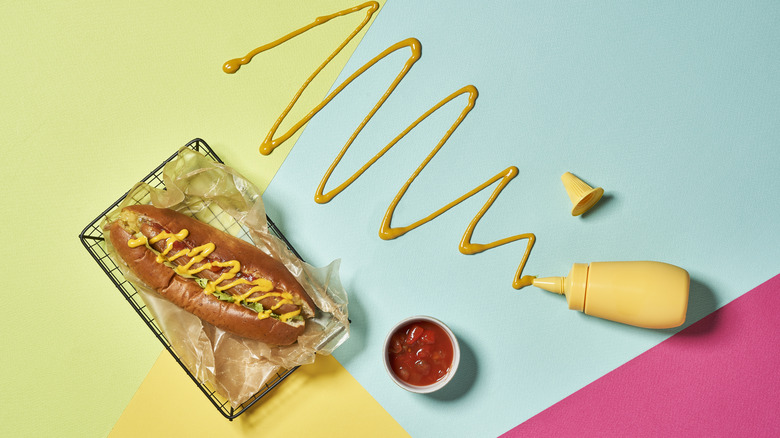
Mustard's year-long longevity in the fridge is impressive. In fact, it's double the lifespan of some barbecue sauces and four times that of mayonnaise, which could start deteriorating within just 3 months. This remarkable staying power makes sense when you consider its simple ingredient list. The foundation is dried mustard seeds, which naturally resist spoilage due to their low moisture content and because they contain compounds that evolved as the plant's defense against harmful microorganisms. The other key ingredients work as preservatives too: wine contributes alcohol, vinegar brings high acidity, and salt acts as a natural preservative. Traditional recipes sometimes include verjus (unripe grape juice), which adds even more acidity with a slight sugar content. Together, these ingredients create an environment where harmful bacteria simply can't thrive. Some mustards may even include additional preservatives.
Having said that, it's not like mustard lasts forever. Eventually, there will be signs that it's time to let go. As with everything else in your kitchen and your pantry, the best way to check if your mustard has gone bad is through sight and smell. The surest signs of spoilage include visible mold, unusual color, crusty consistency, or any kind of off-putting smell. Spot any of these and it's time to send the bottle to the bin, along with the rest of the jars from the condiment graveyard.