

9 Of The Smoothest Vodkas On The Shelves (No Mixer Needed)
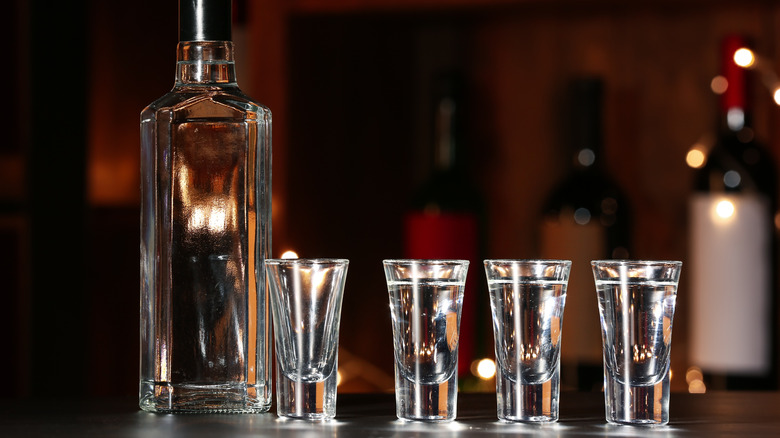
Drinking spirits is not for the faint of heart. For a lot of people, drinking means turning the liquor into a cocktail to cut the spirit's harshness and enhance the flavors with lighter, sweeter mixers. But there are plenty of people (us included) who occasionally prefer to drink their spirits without any outside influence to better appreciate the mouthfeel and flavors of said spirit without any distractions.
While whiskey and tequila are popular options for sipping neat or on the rocks, they aren't the only options. In fact, there are plenty of vodkas that are great to imbibe as well. You might think vodka is used for cooking or only suitable for cocktails, but we spoke to several experts who strongly disagree.
Christopher Carrillo, the food and beverage supervisor at Maréla in Healdsburg, Jay Kurtz, the mixologist at Jade Bar, Mia Mastroianni, frequent "Bar Rescue" consultant, Tunahun Ozdemir, the beverage director at the OKANA Resort in Oklahoma City, Emma Rice, the bar director at North of Bourbon in Louisville, and entertainment expert, Paul Zahn all have their favorite brands that they insist are seriously sippable. These are the bottles they pick when they want to savor the spirit all on its own. Although they admitted that each option makes a killer cocktail, they all agreed that each bottle is also superb served straight or over ice. Did your favorite make the list? Read on to find out.
High Ground Vodka
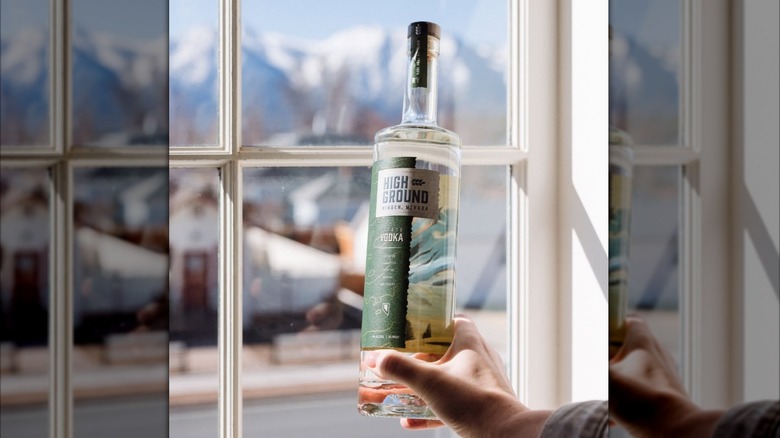
When the little town of Minden, Nevada was founded back in 1906 all that existed was a railroad, general store, lumberyard, stockyard, creamery, and flour mill. 100 years later that flour mill is still standing, only it no longer mills flour. Now it's Minden Mill Distilling, the company behind High Ground Vodka.
High Ground is an estate vodka, and to be an estate vodka in Nevada, you need to abide by very strict rules. Rules that state that the majority of ingredients used to make the spirits have to be grown in the state, on land the distillery controls. High Ground follows those rules to the letter and uses only rye grown right on the High Ground estate and spring water from the Sierra Mountain snowmelt — the mountains that look down on the distillery from only a few miles away. That grain is why Christopher Carrillo says this vodka is one of his favorites for sipping straight. "Its smooth profile and subtle hint of rye spice give it character beyond a neutral vodka, making it an excellent choice for sipping chilled."
Haku Vodka
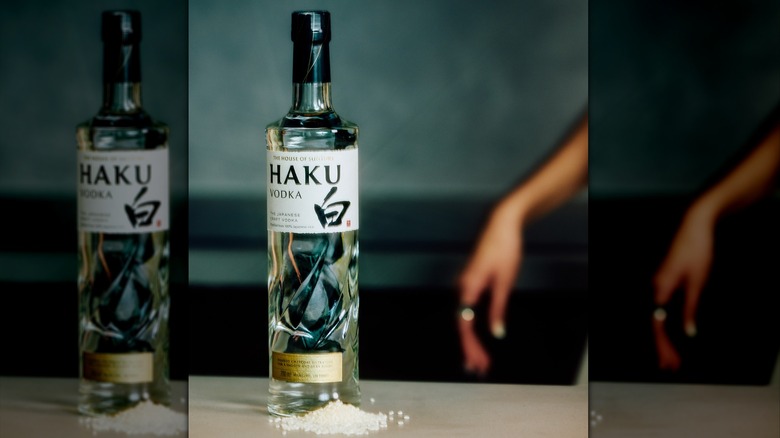
A lot of people believe that vodka is distilled from potatoes. But that's typically not the case. Haku, a vodka from one of the giants in the spirits industry, Suntory Global Spirits, is actually distilled from 100% Japanese white rice. Why is it important to mention that the rice is white? Because white rice is appreciated for its subtle, sweet flavor, and it was a special commodity in Japan, reserved for moments of worship and royalty. The main ingredient inspired the name — "haku" roughly translates as "white" in Japanese.
Once the rice is fermented, it goes through two distillations. The first takes place in Kagoshima, a region known for its expertise in distilling rice spirits. After a second distillation, the spirit is transferred to Suntory Liquor Atelier in Osaka. Once there, it's filtered through bamboo charcoal which acts like a sponge, pulling out most of the distillate's impurities. What you end up with is a vodka that Emma Rice says is "much more floral and citrusy with a slight creamy background." While the bar director admits that she typically uses Haku in cocktails, she says it "definitely holds its own as a neat pour as well." But if you decide to mix it into a drink, Rice recommends a citrus-forward cocktail to enhance the spirit's citrus notes.
Belvedere Organic Vodka
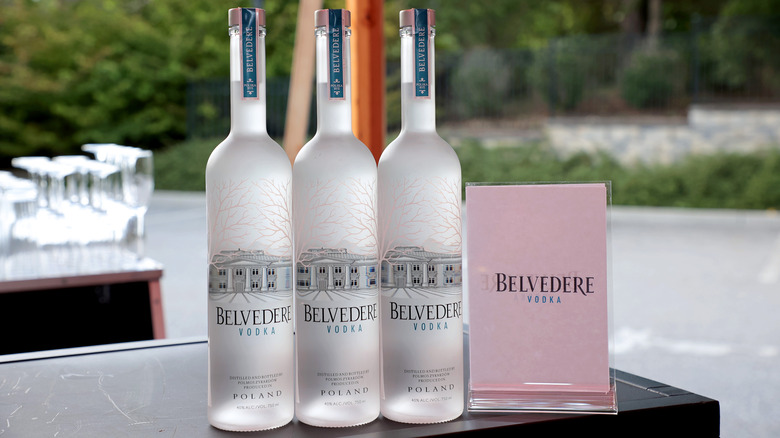
We had a few beloved bottles that several experts picked. The first is Belvedere, a vodka distilled in Poland inside the country's longest working vodka distillery. Made with only 100% organic rye, the master distillers follow a 600-year-old tradition when making their vodka. By law, all Polish vodka must be produced within the country's borders, and it must use only Polish grains or potatoes. Belvedere does both. In doing so, Jay Kurtz says you get a vodka that "delivers a nice velvety, slightly creamy body with faint vanilla and white pepper instead of the usual ethanol smack in the face that we all hate, so it goes down easy straight from the freezer." That sippable quality is why the mixologist confides that this is the bottle he often picks when he's enjoying a glass of vodka.
But Kurtz wasn't the only expert to recognize those vanilla and white pepper notes. Both Mia Mastroianni and Tunahun Ozdemir appreciate those flavors in the spirit as well. While Mastroianni admires the "complexity" those flavors bring to the vodka, Ozdemir says the spirit "brings a little more spice to the glass." The spice isn't overpowering though. Instead, the beverage director believes the spirit's "velvety texture rounds out that spice, giving it both softness and definition" which might be why it made our list of absolute best vodka brands. He recommends sipping it "neat and slightly chilled."
Weber Ranch Vodka
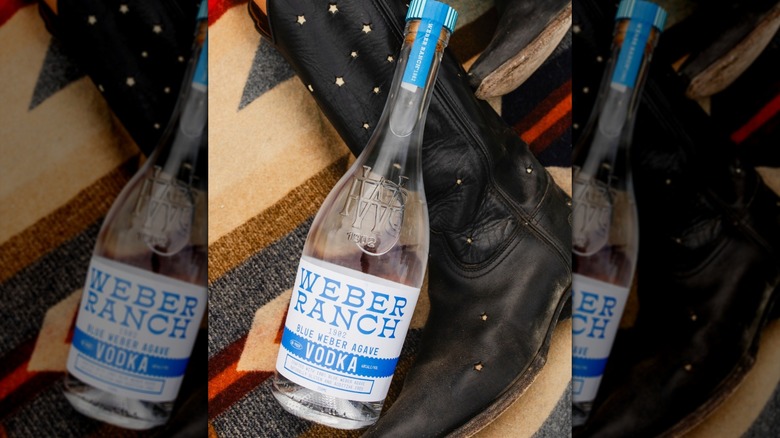
The story behind Weber Ranch seems more fitting for a tequila than a vodka as it's made from blue Weber agave that are roughly grown for seven years in Jalisco before they are harvested. But that's as far as the similarities go. Once collected, the agave is transported over the border to Muenster, Texas, where it's combined with water from the local Trinity Aquifer, and then distilled by master distiller, Antonio Rodriguez, a man who's been making spirits for almost 20 years. Weber isn't just the name emblazoned across the label, though. It's embossed at the base of every bottle as well. Rodriguez and his team wanted to honor the French botanist, Frédéric Albert Constantin Weber who first discovered this agave during an expedition to Mexico back in 1902.
That type of honor and tradition creates a spirit that Paul Zahn loves and appreciates. Even though the entertainment expert admits that agave typically turns into tequila, he likes the roasted agave and pineapple notes the vodka gets from the agave plant. Zahn believes those flavors make this vodka a multipurpose option which is why he enjoys it straight or in a variety of cocktails.
Grey Goose
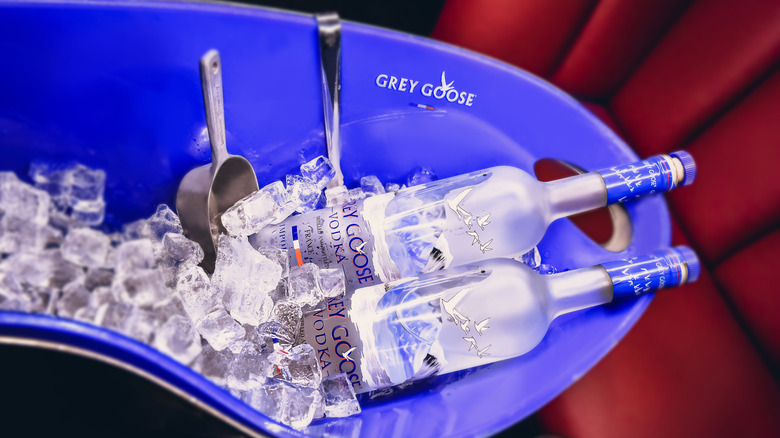
Three different experts picked Grey Goose vodka because of its flavor and mouthfeel. A vodka made solely in France, Grey Goose starts with winter wheat from Picardie, a region renowned for this crop — French pastries are made using this high-quality wheat. The base is then blended with limestone-filtered spring water from Grey Goose's well in Cognac. It's only distilled once in order to maintain signature flavor and texture, two qualities that Mia Mastroianni, Tunahun Ozdemir, and Jay Kurtz all appreciate.
"Grey Goose strikes a good balance between a rounded texture and a crisp finish with subtle almond and citrus notes and a little pepper at the end," explains Ozdemir. That hint of almond is why Mastroianni picks this bottle as well. But it's the delicate nature and balance of all elements that Ozdemir says make this option inviting, also giving it "enough character to hold your attention."
Meanwhile, Kurtz says that winter wheat and spring water give Grey Goose a beautiful texture with seemingly zero harsh notes, making this a wonderful option for all those who frown at straight vodka. "Bartenders always keep it on hand because it delivers that elegance without the hassle, which is exactly what you want if you don't want to mix it, but rather just enjoy it straight," he explains. If you do choose to drink it straight, Ozdemir recommends serving it "lightly chilled so those nuances still come through."
Hanson of Sonoma Original Vodka
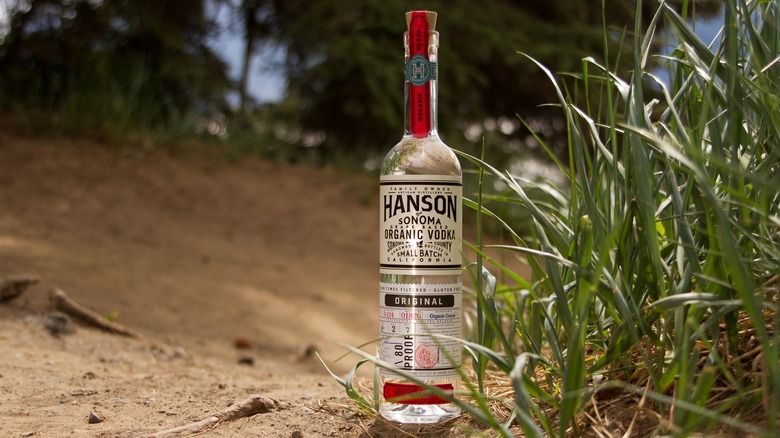
Unlike most vodkas on this list that are made from grains, Hanson of Sonoma starts with grapes, which makes perfect sense since Sonoma is in the heart of Northern California wine country. That location has an important hand in how Hanson creates its various spirits. "Hanson of Sonoma takes a distinctly wine-country approach to vodka," Christopher Carrillo explains.
The Hanson family started developing their vodkas in 2012 by trying different grape varietals, distillation techniques, and filtration methods until they found their winning blend with batch number 123. This batch turned into the brand's flagship vodka. It all starts with a base wine that's distilled into the vodka that Carrillo describes as "a spirit with a silky mouthfeel and clean, lingering finish." He added that the "smooth texture and sense of place distinguish it from traditional grain-based vodkas, making it especially enjoyable neat or chilled."
Ketel One
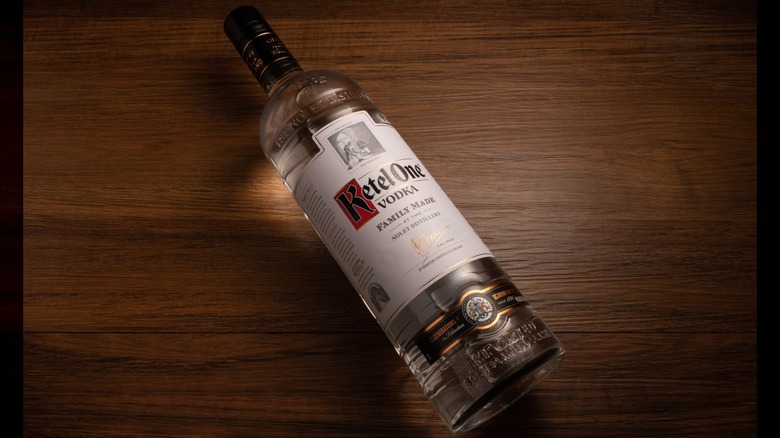
Another brand that's been in the family since it was created, Ketel One vodka comes from the Nolet family, and while the distillery has been creating spirits for 11 generations, this vodka didn't make its debut until 1983. Even though Ketel One is a recent addition to the Nolet spirits library, centuries of distillation are evident in quality and legacy — every family member who ran the distillery is emblazoned on every bottle of Ketel One. But the family's involvement doesn't stop there. Every bottle also bears the signature of a member of the Nolet family to guarantee the quality of the liquid inside.
Mia Mastroianni recommends this brand, highlighting smooth texture and neutral profile as the main qualities that separate high-end labels from more affordable vodkas. She also explains that careful production methods help "minimize any harsh aromas or flavors, leaving only a silky texture, clean finish, and soft flavor." Mastroianni mentions that Ketel One has a citrus-like note in its flavor profile, and while it's a fabulous vodka all on its own, she insists it also makes a great martini.
Blacklion Vodka
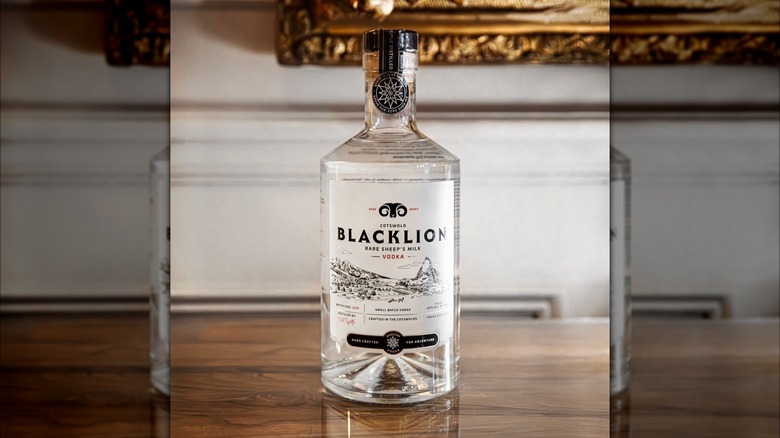
While all the other vodkas on our list are made from either grains, fruits, or vegetables, Blacklion is distilled from sheep's milk. Specifically, from leftover whey, a byproduct of cheese production that Tim and Tan Spittle make at their sheep farm in the Cotswolds. "The resulting spirit is both a sustainable and exceptionally smooth choice when it comes to the world of vodka," explains Emma Rice.
This award-winning vodka gets its name from the Black Lion sheep that are bred and live on the Spittle's farm. The Spittles cross-bred the Black Lion from British milk sheep and the farm's own flock of Valais Blacknose sheep, a rare breed that comes from the mountains in Switzerland. That's why both the sheep and the Matterhorn are on every label, to honor where the spirit comes from.
While Rice appreciates the story behind the vodka, the North of Bourbon's bar director really loves its flavor. "Blacklion Vodka is slightly sweet and very silky with notes of toffee and a slightly peppery finish."
Chopin Potato Vodka
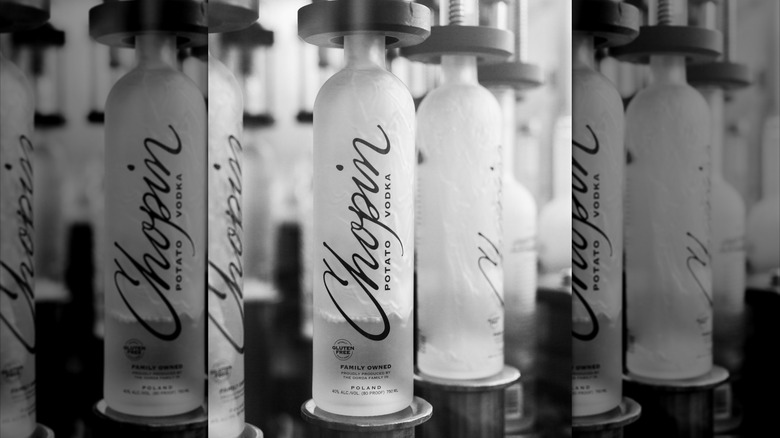
Chopin has several different types of vodka under its umbrella. But it's the potato expression that both Jay Kurtz and Tunahun Ozdemir agree is sippable all on its own. "Chopin earns the nod for pure texture," declares Kurtz. "It's distilled from potatoes, so it has a fuller, almost buttery mouthfeel that coats the palate and softens the alcohol sting more than most wheat or rye options."
The last family-run vodka brand in Poland, Chopin uses rye, wheat, and potatoes to make its various expressions. Crops used to make these spirits are grown in eastern Poland about 20 miles from the distillery. When Tadeusz Dorda, Chopin founder and head of the Dorda family, took over the centuries-old distillery, he decided to honor the Polish vodka-making traditions which means being involved in every step of the process to guarantee a vodka of the highest quality. A quality that makes it not only a great vodka for beginners, but one that both Kurtz and Ozdemir appreciate.
"Chopin Potato stands out for its texture," declares Ozdemir. "It's full-bodied and creamy, with a gentle earthiness and hints of green apple and vanilla on the nose. That weight gives it a satisfying presence on the palate without needing anything added." Meanwhile, Kurtz insists it's a frequent option for bartenders who like to sip vodka or serve it to true vodka fans. "Bartenders ... prefer it when they want something that feels substantial neat yet still finishes clean."