

3 Ways To Cook Pot Roast Without A Dutch Oven
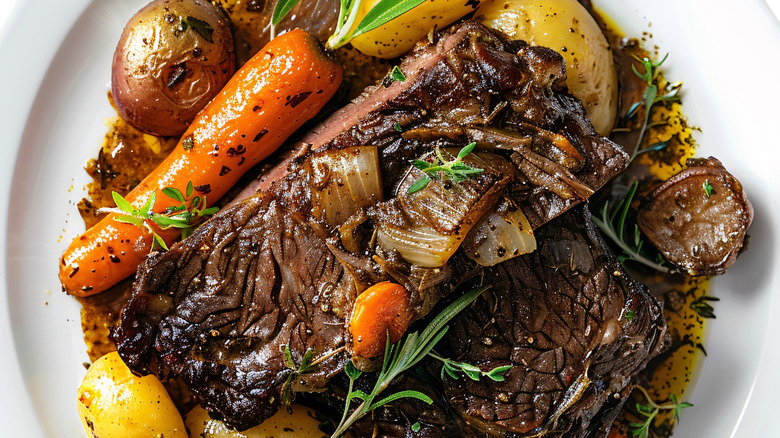
Dutch ovens are one of the most traditional vessels for slow-cooking a pot roast, magically turning tougher portions of beef into tender, comforting dinners at home. But they certainly aren't the only way to get that soul-warming centerpiece dish onto your table. The basic idea behind pot roast perfection is pretty simple: A typical cut, such as chuck, needs enough time, moisture, and gentle heat to soften connective tissue and tenderize the meat. That can happen in more than one way — in fact, three pieces of common kitchen equipment get the job done in a mostly hands-off, efficient way.
A slow cooker is the obvious choice, allowing the roast to cook for hours with very little attention. A pressure cooker takes an opposite approach, using pressure to dramatically shorten the cooking time. If you'd rather stick with your trusty basic oven, you can replicate a Dutch oven using a standard deep roasting pan or casserole dish, tightly covered with a lid or foil.
Each method needs different timing and handling, but all three can deliver tender pot roast with veggies, broth, and plenty of savory cooking juices for thick, creamy gravy. So if you don't own a Dutch oven, or just want to switch things up in the kitchen, here's a deeper look at how these three alternatives can make dinner happen just as efficiently, with equally tasty goodness.
Make pot roast in a slow cooker
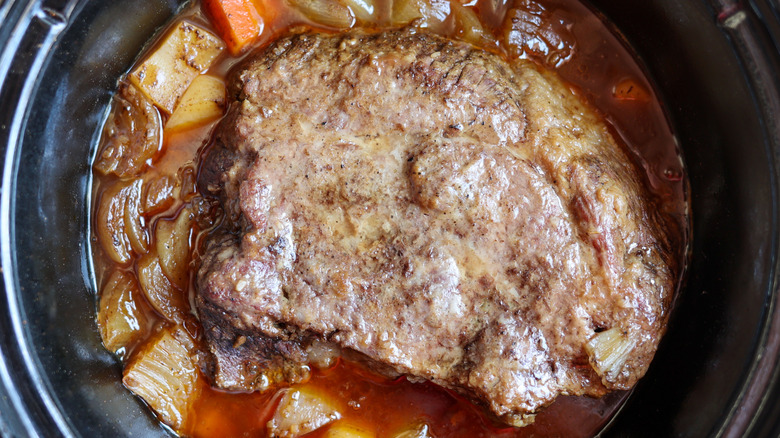
A slow cooker, also known as a crockpot, may be the easiest Dutch oven alternative, since pot roast thrives inside this handy countertop appliance. Tough cuts of beef soften considerably during long, gentle simmering, and the pot needs little attention once you tuck everything inside.
Start by seasoning the roast, and if you have a few extra minutes, brown it in a skillet before transferring to the slow cooker. Searing isn't crucial for the tenderness, but it adds deeper flavor and color to the finished dish. Arrange sturdy vegetables such as carrots, onions, and potatoes around or beneath the beef, then add broth, wine, or another braising liquid. One important difference from oven braising is that slow cookers retain moisture particularly well, so you usually don't need to add as much liquid as you might imagine.
Cooking time varies with the size of roast and type of crockpot, but chuck-style roasts typically need around seven to eight hours on low to become fork-tender. When in a hurry, you can cut the time roughly in half by cooking on high, though a real advantage of the slow cooker is the convenience of loading the pot earlier in the day, then letting it cook largely unattended until bubbling hot and pull-apart tender. It's also the perfect vessel for creating speciality dishes such as Mississippi and Georgia pot roasts.
Pull out your pressure cooker or Instant Pot
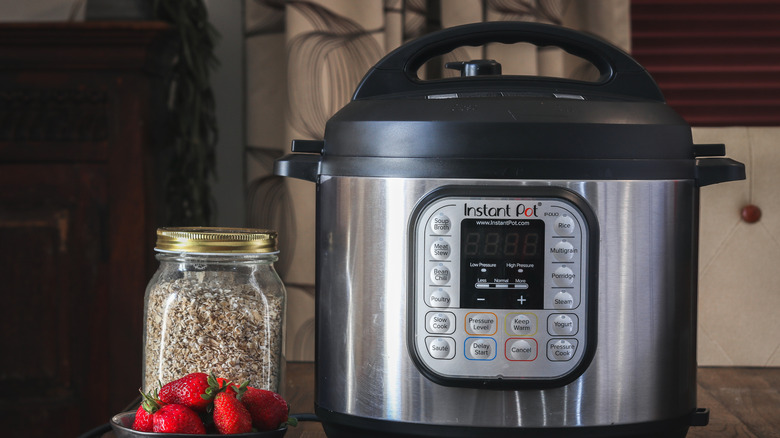
While a slow cooker works like a Dutch oven by giving pot roast more time to tenderize, a pressure cooker gets similar results by doing the opposite: giving the roast considerably less time. Modern electric pressure cookers, such as an Instant Pot, trap steam inside the sealed pot, creating pressure that raises the cooking temperature and speeds up tenderizing. This comes in handy when you want a pot roast on a weeknight but didn't start dinner hours earlier.
Many models also let you brown the beef directly in the cooker using a sauté setting, which means you can sear the roast, cook onions or aromatics, and deglaze the pot without dirtying a separate skillet. After browning, add broth or another cooking liquid before sealing the lid, since pressure cookers need enough liquid to generate the steam that creates the pressure.
Depending on the size of the roast and the recipe, a pot roast will generally pressure cook in about 40 to 60 minutes, depending on whether you pre-sear the meat inside the pot. Then allow a few extra minutes for the pressure to release — which is not optional, since it can help the meat finish cooking gently instead of through sudden depressurization. Vegetables can be tricky when cooking with a pressure cooker, because carrots and potatoes cook more quickly, leaving them super-soft at the end. You could always pressure-cook the beef first, then do a quick second round for veggies.
Use a covered roasting pan or casserole dish
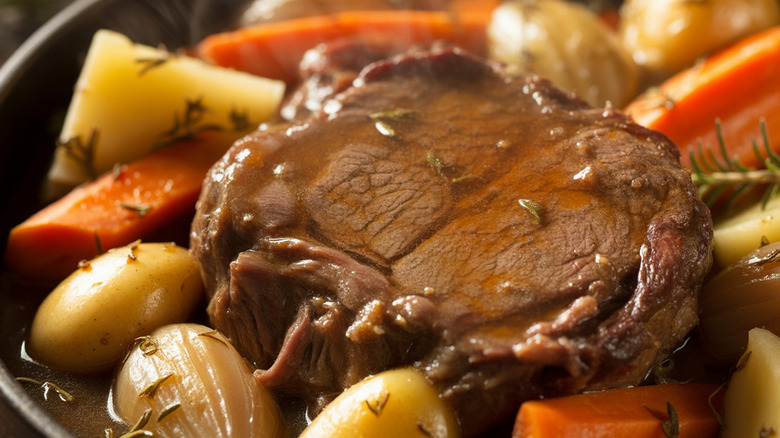
If you want to stay closest to the traditional Dutch oven method of making pot roast, you may already own everything you need. A deep roasting pan, casserole dish, or other oven-safe pan can work just fine for pot roast, as long as it's covered tightly enough to trap moisture. Use a fitted lid if the dish has one; otherwise, cover the pan with heavy-duty aluminum foil so that steam and cooking juices don't escape too quickly.
You can brown the seasoned roast in a skillet first, then transfer to the baking dish along with onions, carrots, potatoes, broth, wine, herbs, or whatever your recipe calls for. Some chefs even rub the meat with pre-seasoned packets of dry seasoning, such as onion soup mix or powdered ranch dressing. A covered roasting pan at about 325 degrees Fahrenheit can cook a pot roast in roughly three to four hours, though it's best to check periodically check for tenderness with a thermometer or your own fork-feel.
This oven method does need a little more monitoring than a slow cooker, and considerably more time than a pressure cooker. But it delivers the familiar oven-braised texture and flavor that many people want from a classic pot roast. It's also proof that a Dutch oven isn't the "be all and end all" of pot roast perfection. What really matters is low heat, enough moisture, and a tightly covered pot.