

5 French-Style Toppings That Give Toast Extra Flavor
We may receive a commission on purchases made from links.
Plain ol' toast doesn't need much to hit the morning breakfast spot. A little swipe of good butter or fresh jam can suffice — but it doesn't always have to, especially when toast marches into afternoons and evenings. With a little creativity, the right slice of toasted bread can serve as a foundation for something much more interesting. That's essentially the idea behind a tartine, the French approach to open-faced bread that veers in any number of directions, from sweet to savory, simple, or surprisingly elaborate. Using that as inspiration, we're exploring French-style toppings for ordinary toast, albeit with sturdy bread and thick cuts for cradling all the goodness.
French chefs and home cooks offer no shortage of ideas for taking toast beyond a grab-and-go breakfast mentality using high-quality ingredients in simple applications. Peppery radishes and European-style butter can keep things beautifully minimal, while things like goat cheese, figs, and cured ham slide solidly in sweet-savory directions. Mushrooms go deep and rich with shallots and crème fraîche; tapenade brings the salty flavors of Provence; and rillettes turn toast into something closer to "en plein air" French picnics along the River Seine.
None of these things require using elaborate French culinary techniques at home, as most rely on a handful of accessible ingredients. Some could even be adapted according to what's already perched in your fridge or pantry. The following are five French-style toppings that give toast an extra flavor and personality boost.
Salted butter, radishes, and flaky salt
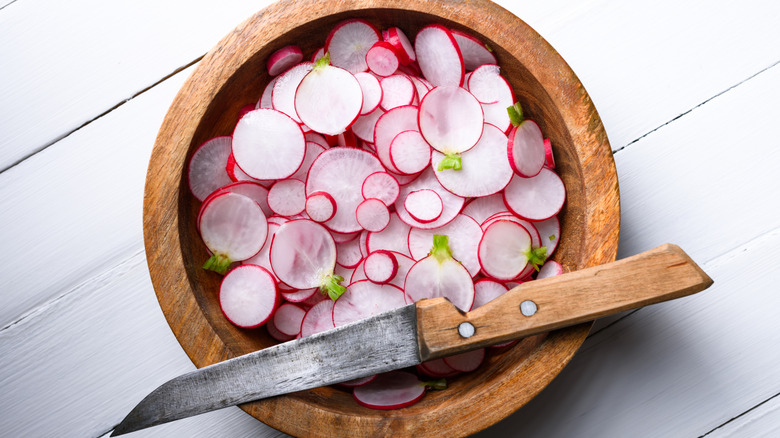
Sometimes the most French-feeling toast is also the simplest. Radishes with butter are a classic combination, and many chefs advocate the pairing on open-faced toast, aka tartine. You can feel fancy by calling it radis au beurre, but it's basically country-style bread with butter, sliced radishes, and salt. That said, the type of butter and salt can make a big difference when making it genuinely French-style.
French butter, or a similar European-style butter, generally provides the most flavor when it's a featured ingredient, as it is in this topping. To be called French butter, it has a higher butterfat than many American versions, leading to richer, smoother flavors. Many butters in France also have protected designation status, guaranteeing the quality. And though not crucial, it helps if your radish-with-butter toast pairs with fleur de sel or any flaky sea salt.
Basically, you'll start with a thick slice of crusty country bread or baguette, and toast it just enough to crisp up the surface for holding radishes in place, but still remaining chewy inside. Spread on a generous layer of high-quality butter, then arrange very thin slices of fresh radish across the top. Finish with the salt and a few grinds of fresh black pepper, if you'd like. There's no sauce to make and nothing to sauté, so it takes only a few minutes to pull it together. For some extra color or herby flavor, consider adding chives, parsley, or another mild herb to taste.
Goat cheese, figs, honey, and Bayonne ham
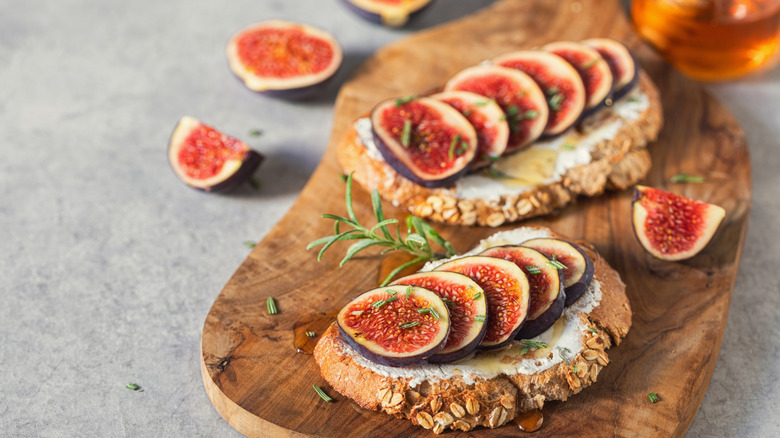
For toast that hits sweet, salty, creamy, and savory notes all at the same time, this topping idea brings French credentials straight to your table: goat cheese, ripe or dried figs, honey, and thin slices of cured ham. This marches far past breakfast territory and straight into appetizers and happy hours. You could go all out and track down cheese and ham that's actually imported from France, such as Bayonne ham from the French Basque Country. But it's not at all necessary.
To make your own version, toast a slice of rustic bread and spread with softened goat cheese. Add sliced fresh figs and a few ribbons of ham, then drizzle everything with honey, lightly at first, then adapt per sweet-tooth proclivities. A few cracks of black pepper give just enough contrast to balance the sweetness.
If fresh figs aren't in season, fig preserves make a pretty easy stand-in. In that case, just use a thin layer so the toast doesn't start tasting like dessert instead of an earthy, savory topping. You could also toss on a few chopped arugula or basil leaves for freshness or a peppery ping. Other substitutes at standard grocery stores could include prosciutto instead of ham or a different spreadable soft cheese if goat cheese feels too strong for the palate. In addition to appetizers, this fancy-toast treat works well for brunch or afternoon teatimes.
Mushrooms, shallots, thyme, and crème fraîche
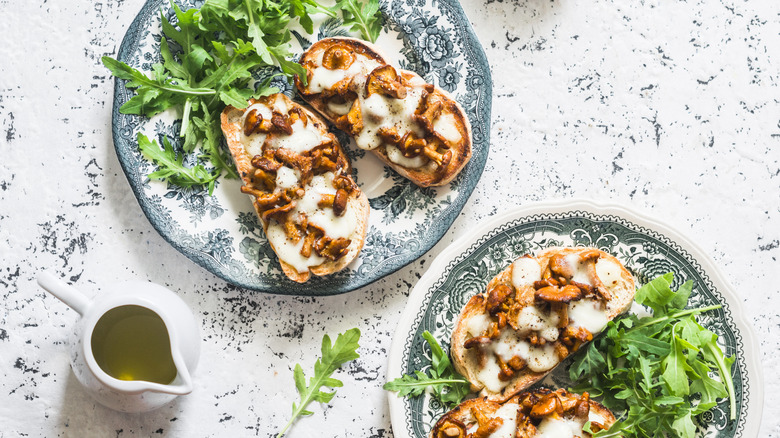
Mushrooms on toast are already a solid starting point for tasty tartine-style noshing, but a few extra ingredients firmly nudge the 'shrooms on a French-inspired path to your table. French-style mushroom dishes often mix various types of mushrooms with butter, shallots, herbs such as thyme, and velvety crème fraîche – so piling them on toasted bread is a natural progression.
Some recipes call for grilling the toast alone with oil and a melty cheese like Gruyère, then sautéing the veggies and herbs before adding crème fraîche toward the end. It makes a thick, silky sauce that spreads easily over crispy toast. A splash of white wine added to the pan creates another layer of flavor, but it's not required.
That said, other versions of French-style mushroom toast send flavors soaring in spice-heavy directions, introducing ingredients such as nutmeg and Dijon mustard into a mushroom béchamel sauce, along with earthy aromatic herbs like rosemary and thyme. You could also just go super simple by spreading crème fraîche over a thick piece of toast before spooning warm mushrooms on top. The key is to sauté the mushrooms until they lightly brown and turn buttery and savory. Remember that saucy spreads soak into toast pretty quickly, so be ready to tuck into your creation right away. Mushroom ideas also appear in Tasting Table's guide to the best unexpected toppings for toast.
Tapenade, tomatoes, and olive oil
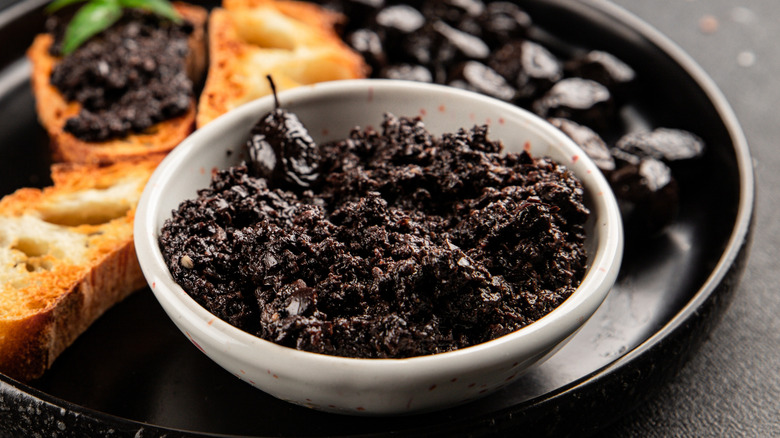
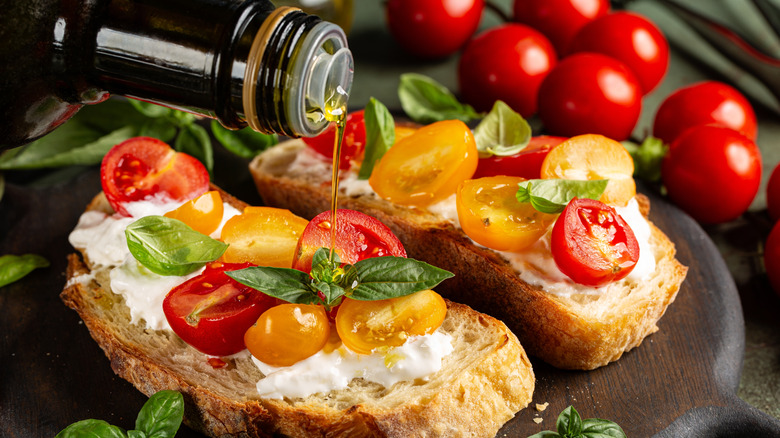
When craving a serious jolt of flavor on toast, tapenade gets you there in a single spoonful. This hearty olive spread hails from Provence in the South of France, traditionally coming together with capers, olives, garlic, and anchovies, mixed in a sea of olive oil and sometimes a splash of lemon juice. The intense, briny character of this combination instantly perks up an otherwise bland piece of toasted bread.
Rather than a chunky spread with chopped ingredients, tapenade gets blended into a smooth spread that slides easily over crunchy toast. As with other toppings, this one works best on thick country bread or a toasted baguette. Just spread a relatively thin layer of black- or green-olive tapenade over the bread, then top with slices of ripe tomatoes. For a grand finale, drizzle a tiny bit of olive oil over top, plus some perk-me-up seasonings such as cracked black pepper and chopped basil. If fresh basil isn't readily on hand, a dried version works as well.
Serving with tomatoes is a big part of what makes this olive spread work, whether placing them directly onto the toast or serving on the side. No need to add cream when you place the salty, briny characteristics of anchovies, olives, and capers. Olive oil instead holds the spread together, as it rightfully should. You can make your own tapenade at home using a simple five-ingredient recipe (sans the anchovies).
Rillettes, cornichons, and Dijon mustard
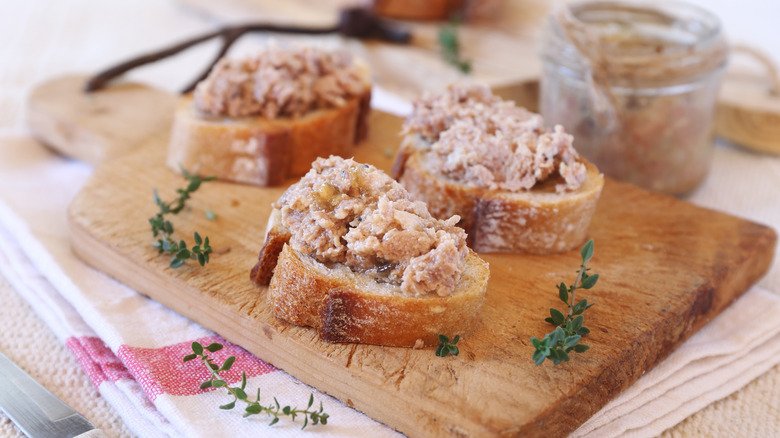
Before shaking your head at all the potentially obscure ingredients in this toast topper, consider that the unfamiliar names are simply French names for things you can either find in U.S. grocery stores or make at home. The powerhouse threesome in this spread is rillettes, cornichons, and Dijon mustard. The three stack handily atop toasted bread, bringing a trio of rich, contrasting flavors.
First up is rillettes, which is essentially a slow-cooked meat spread originating centuries ago in France's Loire Valley. Home chefs typically consider pork shoulder the best cut of meat for pork rillettes. To make them, cut the pork into cubes and place them in a Dutch oven or slow cooker along with salt and aromatic herbs or spices. Let the meat gently tenderize in its own juices until done, then pulverize in a mixer along with a small bit of its strained juices until a smooth, spreadable paste forms. Jars of premade rillettes are also available in grocery stores or on Amazon.
After spreading rillettes on the toast, create a layer of sliced cornichons, which are tiny, tart French pickles – or use widely available dill gherkins. They add crunch and acidity to contrast with the creaminess of rillettes. A small amount of Dijon mustard injects another dash of tang and spice. You can spread it directly on the bread before the rillettes, or dot a little on top of the finished creation.