

5 Disadvantages Of Vinyl Flooring In Your Kitchen
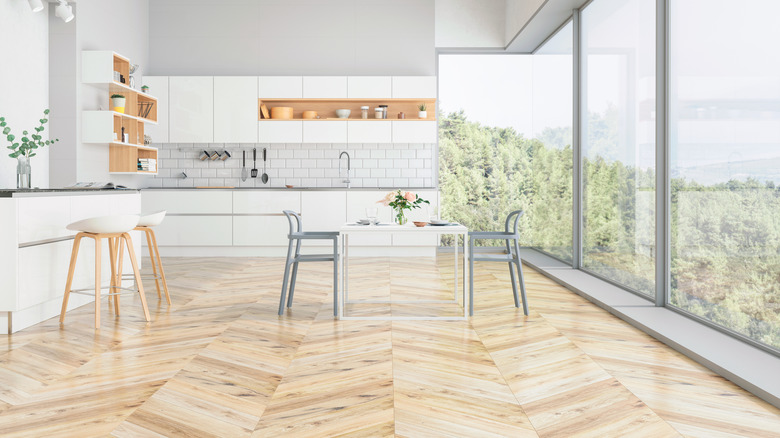
There's plenty to admire about vinyl flooring, especially in busy kitchens. It's available in a wide array of wood- and stone-look designs, many modern varieties are waterproof, and routine cleanup is largely drama-free. Compared with some natural flooring materials, vinyl can be more forgiving underfoot when meal-prepping at the counter, cooking dinner, or cleaning up the aftermath. That being said, no flooring is perfect, and vinyl has some notable drawbacks. It can be vulnerable to scratches and dents, prolonged sunlight and heat can make marks, and if it gets wet, it may send you sliding. Installation needs more surface attention than most folks imagine, and repairing serious damage to vinyl can be problematic.
None of these issues are reason on their own to rule out this popular kitchen flooring option, especially since preventive measures can counterbalance potential impacts. However, because kitchens are so integral to smooth-running homes, flooring has to pull its weight. It may end up contending with everything from muddy boots to splashy spills, heavy appliances, and aching feet from long days at work. To help determine if vinyl matches the lifestyle needs of your family, consider the disadvantages of having a floor made of it in your kitchen.
Vinyl flooring can scratch, scuff, and dent
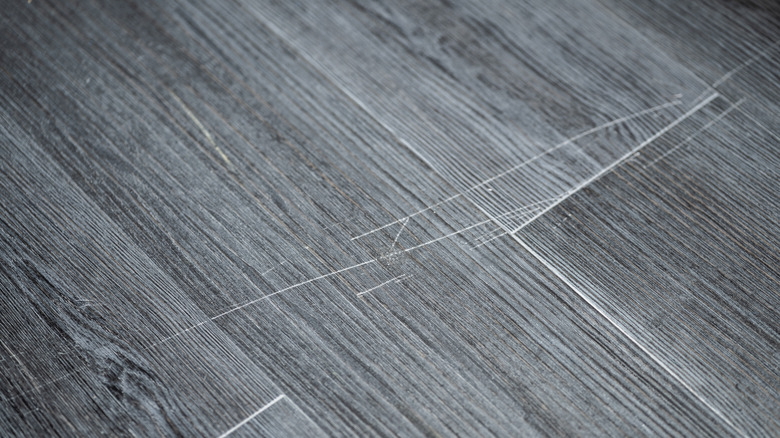
Vinyl flooring is purposefully designed to withstand everyday foot traffic, but that doesn't mean the surface is indestructible. Dirt and sand tracked into a kitchen can produce scratches over time, so you must be diligent about sweeping or dust-mopping gritty particles before they're ground into the vinyl surface. Dragging furniture, appliances, footstools, or heavy boxes across vinyl floors could also cause noticeable damage. That may sound unlikely, but consider everyday activities in kitchen and dining areas. Bar stools and dining chairs slide across the same areas time and again, and step stools help reach high shelves. Meanwhile, refrigerators, ranges, and other heavy appliances will occasionally need to be moved for spring cleaning or repairs.
Using felt pads and load-bearing protectors beneath furniture can help prevent damage, but you'll likely need to create a sturdy "runway" of sorts for moving the heaviest items. Vinyl isn't the only flooring material subject to damage from heavy objects, but it's definitely one of them. That increases the importance of purchasing only high-quality vinyl. To understand what's at stake in that regard, check out this look at the type of vinyl you should never use for your kitchen floors.
Heat and direct sunlight can cause fading or expansion
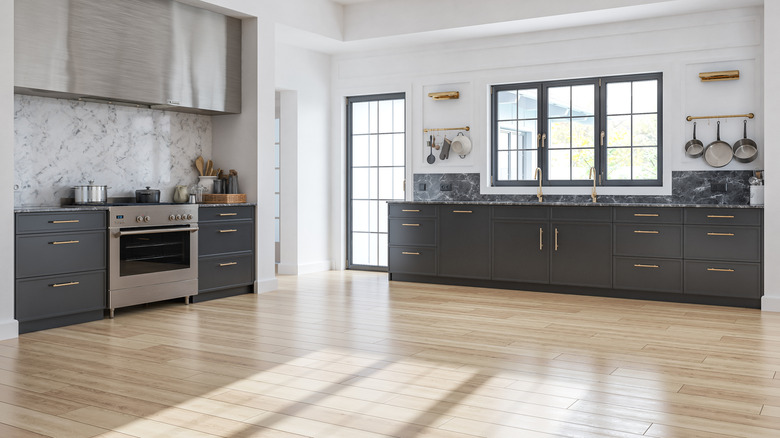
Sunny kitchens are a glorious way to start the day, but hours of intense sunlight aren't ideal for vinyl flooring. Like many interior materials, vinyl can fade or become discolored with consistent exposure to direct sunlight. To protect the vinyl from UV exposure, you may need to install blinds, awnings, or window tinting.
Heat and humidity also create other issues with some vinyl floors, causing them to swell or warp. When it comes time for mopping, some manufacturers even caution against using a steam mop because extreme temperatures can potentially cause vinyl to expand and contribute to warping, wrinkling or problems with adhesive bonds.
These issues aren't necessarily universal, as some brands offer UV resistance or other protections. But if your kitchen sees intense sunlight or has unusual temperature swings, it's worth checking manufacturer installation and care instructions before choosing a vinyl floor. When deciding which material is more suitable for your specific needs, here's a look at laminate versus vinyl flooring: which is best in your kitchen. Both have pros and cons, but one is hands-down considered best for kitchens.
Vinyl flooring can become slippery when wet
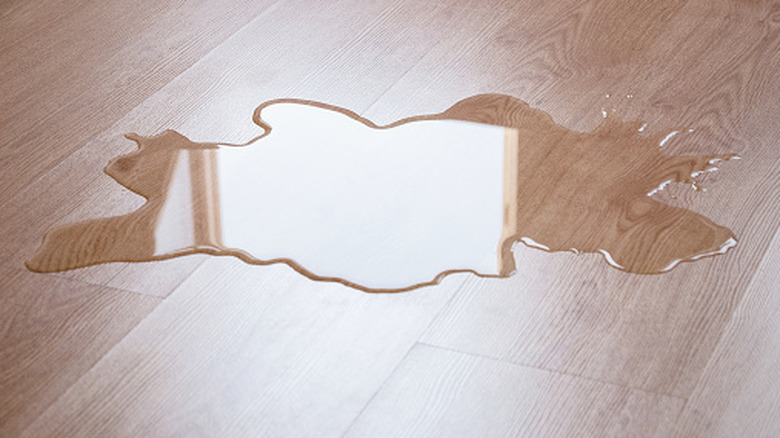
Water resistance is one of the biggest benefits of vinyl flooring in the kitchen, a place where splashes, drips, and spills are practically guaranteed. But unfortunately, waterproof properties don't mean the surface is easy to walk across when wet. Even the most resilient vinyl flooring can get slippery, meaning that sink-adjacent floor puddles, spills when loading dishwashers, oil splashes from meal preps, or even stray melting ice cubes need to be addressed.
How about cleaning products? Same thing: They can create problems of their own, leading to other slipping hazards. That's because some household cleaners leave residue or make vinyl surfaces more slippery, so you need a product approved for your particular type of flooring, taking care to dilute per instructions. Alternatively, other available PH-neutral cleaners generally help alleviate the problem.
Some well-placed mats near spill-prone areas are advised, but keep in mind that some vinyl floor manufacturers say to avoid certain types of rugs because of a tendency toward staining or damage.They generally included popular styles with rubber or latex backing, or ones made with heavy, course fibers. Your best bet for addressing concerns over slippery vinyl floors may be paying for textured vinyl flooring, or checking the "slip rating" on vinyl packaging.
Installation can be problematic if the subfloor isn't properly prepared
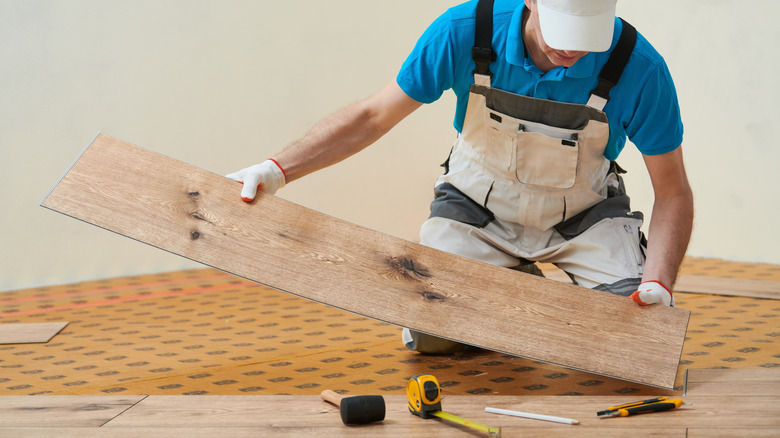
Vinyl planks and tiles are often marketed as DIY-friendly, and that's true on some level, especially when compared to traditional hardwood or ceramic tile. However, the simplicity of clicking together planks often overshadows the subfloor lying beneath and how important it actually is.
Well before vinyl flooring gets installed, the subfloor needs to meet requirements based on the specific product, which may require extra prep. Ideally, the vinyl can be laid over an existing floor, but even then, that surface needs to be flat, clean, and in good condition. Skipping preparations can jeopardize the entire operation and affect the longterm viability of your new floor. And the cost for any subfloor preparation may not be included in quoted installation prices.
Another installation "gotcha" point could be what's known as "expansion space" for some types of vinyl flooring. To ensure the flooring can expand and contract as needed, you'll typically need space around the perimeter of the room, the walls, and any fixed objects, depending on the specific product chosen. That's a detail not necessarily needed with other types of flooring.
Serious damage may require replacing part of the floor
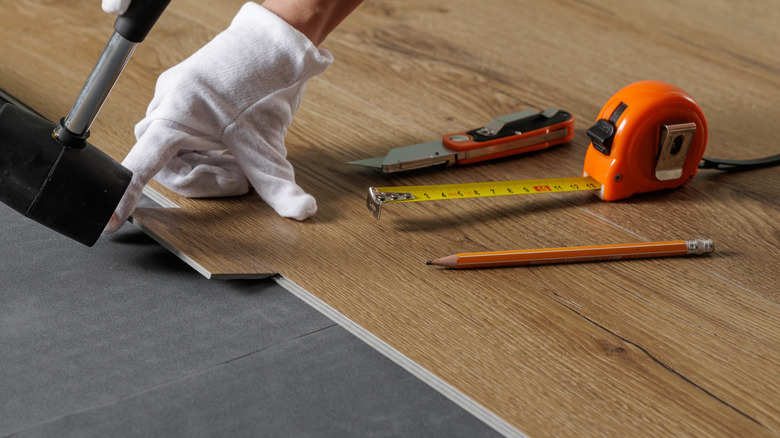
Sometimes, choosing the type of floor for a kitchen comes down to comparisons. One strong appeal of genuine hardwood floors is that wear-and-tear can often be addressed by sanding and refinishing the surface. Vinyl doesn't offer that same kind of option. In fact, some vinyl manufactures specifically instruct owners not the sand the floors. Though minor scuffs and marks can potentially be cleaned or treated, things like gashes, burns, and more extensive damage could require professional consultation.
In some cases, if damage is serious enough, you'll likely need to replace portions of the floor. So keep that in mind as a forward-thinking possibility when choosing vinyl for your kitchen. How difficult, or simple, that repair will be depends in part on how it was installed and the location of the damaged piece. For example, replacing a difficult-to-reach, glued-down tile is a different project altogether from dismantling a floating (rigid core) click-lock floor to reach a damaged plank.
Like any flooring, pros and cons can be personal to lifestyles, budgets, and ongoing care needs. And despite some disadvantages with vinyl flooring, it's still one of the two budget-friendly kitchen materials Erin Napier stands by for floors and countertops.