

This State Just Made A Major Grocery Price Change To Save Shoppers Money
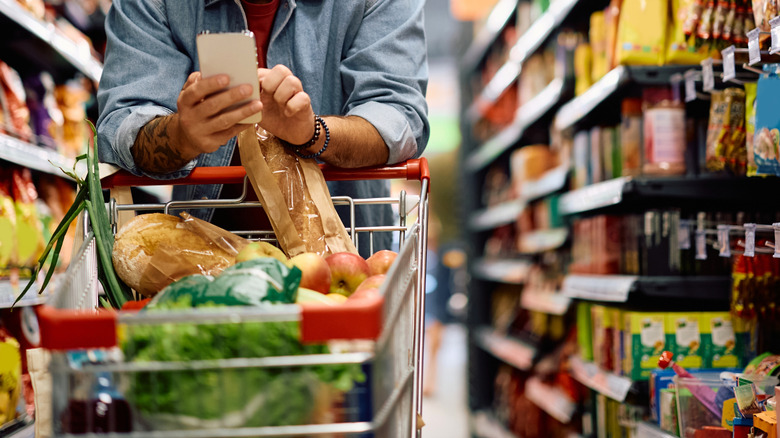
Saving cash at the grocery store is a major concern for Americans everywhere, which is why Maryland just stepped in to protect its citizens from any erratic rise in price through dynamic pricing. Dynamic pricing is the act of switching up the price of a product if demand increases, during peak shopping hours, or if weather impinges upon its delivery. Customer's shopping habits may also be a factor in this pricing model, which has been proven to be an unpopular way of doing business with customers due to sudden spikes in the advertised cost for grocery store items or fast food meals.
The Maryland law, known as the Protection From Predatory Pricing Act, prevents dynamic pricing and forbids grocery stores and delivery services like Instacart from using certain types of private data to sell products or advertise to consumers. Stores caught violating the act will be subject to the strictures of the Maryland Consumer Protection Act, resulting in a $10,000 penalty for first offenders and a $25,000 increase for every subsequent offense thereafter. The bill was approved by Maryland Governor Wes Moore back in April, and went into effect on Thursday, October 1, 2026.
Major retailers have tried to use dynamic pricing
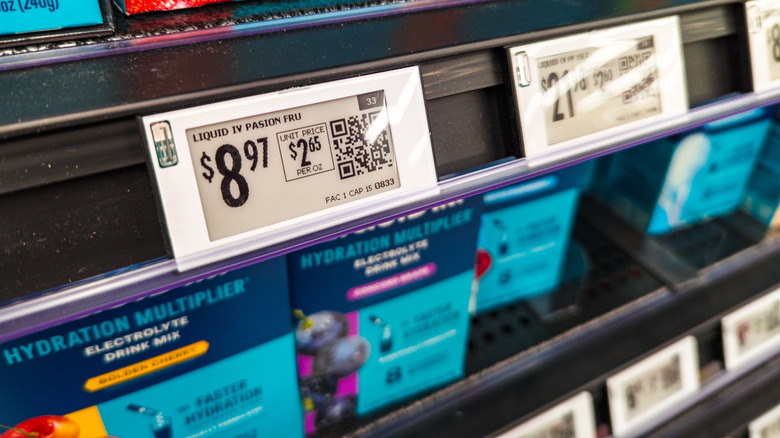
Multiple big box stores and grocery outlets have seemingly dabbled with dynamic pricing. This includes major names like Kroger, Walmart and Target, all of which have come under scrutiny for allegedly inflating costs on a variety of items. These stores have begun to employ digital tags, which can be updated at the drop of a hat with the assistance of AI. However, most of the chains deny using the tactic.
Consumers have claimed that some fast food restaurants have implemented dynamic pricing as well. McDonalds has recently been subject to insinuations that the brand uses dynamic pricing in some locations, possibly resulting in a shorter menu. "We do not use AI to set prices," a McDonald's representative told New York Post. "This is a nothingburger with maybe extra pickles." Wendy's also experimented with dynamic pricing, only to quickly reverse course after customer uproar.
While some companies might brush off the finger-pointing, several states besides Maryland are already in the process of drafting laws to further protect citizens from dynamic pricing, which is sometimes referred to as surge pricing or personalized pricing. Indeed, the Federal Trade Commission (FTC) has suggested that such algorithmic fluctuations might be unlawful. Time will tell if such notions are here to stay — or if they're headed for a full-out ban.