

Add This Powdered Baking Staple To Coffee Grounds For A Deeper Taste
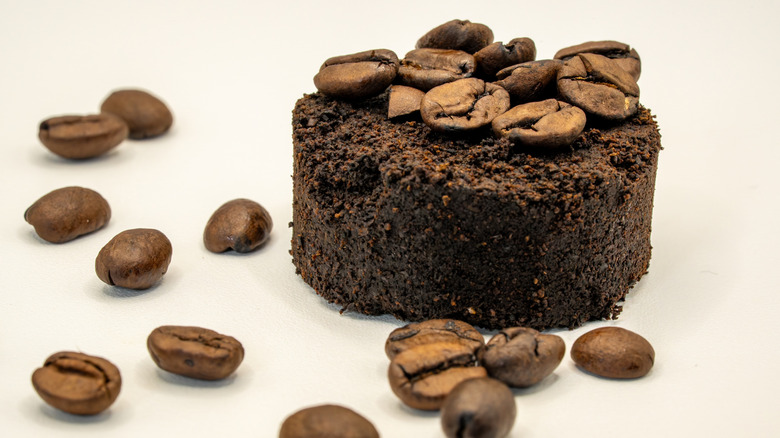
There are myriad ways to make an ordinary cup of coffee more interesting, from flavored syrups to vanilla creamers, citrus peels, and an array of aromatic spices. But switching things up doesn't always mean transforming coffee after it's already brewed. One familiar ingredient from the baking aisle can be mixed straight into the grounds before hot water even enters the equation. That well-loved powdery wonder is unsweetened cocoa powder, an easy way to give everyday coffee a subtly deeper, chocolatey persona.
This is not the first time I've shared this game-changing coffee tip; it was included in an earlier Tasting Table article about 15 ingredients to add to coffee grounds for a more interesting brew. This one in particular stands out for its simplicity, easy access, and the overall consumer familiarity of cocoa and coffee pairings — after all, cafe mochas appear on countless coffee shop menus across the country. The difference here is that the blend takes place within the un-brewed coffee grounds, not in the after-brew cup.
It's particularly tasty when brewing dark roast beans, which brings together compatible depth and the pure, rich flavors of cocoa and coffee. Using the unsweetened, powdered cocoa is key, as it delivers some bittersweet chocolate to the brew without adding the sugary sweetness you'd get from chocolate syrup or a sweetened hot cocoa mix. It's like the ultimate marriage between two of the most cherished beans grown and harvested across the globe, the coffee bean and the cacao bean, which grows on the branches and trunks of Theobroma cacao trees.
Adding cocoa powder to your coffee grounds
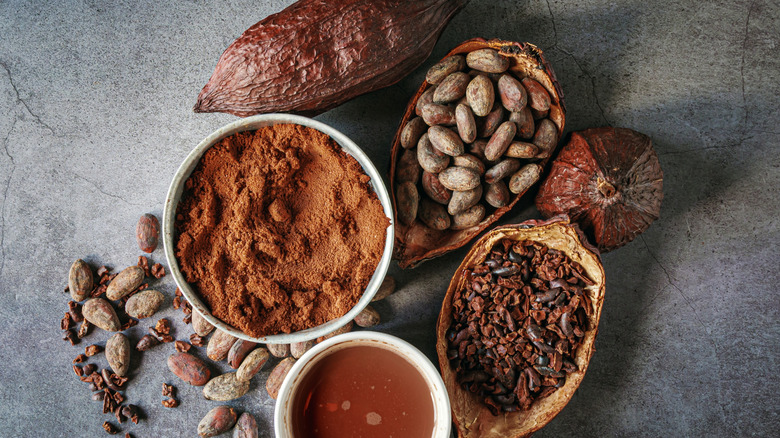
The technique for adding cocoa powder to ground coffee couldn't be simpler. Just measure your usual amount of ground coffee into a drip, pour-over, French press, or other coffee-making vessel, then sprinkle in about a teaspoon of unsweetened cocoa powder, and mix the two together before brewing. The single teaspoon is a conservative starting point, but by all means, heap it up if you want more chocolate intensity. Just remember that cocoa powder is very finely ground compared to coffee, so a little bit goes a long way.
The type of cocoa can make a difference as well, so if your grocery store offers options, try either Dutch process or natural cocoa powder (available in the baking section and often labeled as simply "unsweetened"). It really just depends on personal taste preferences. Natural cocoa generally retains more of its natural acidity yet delivers a somewhat lighter, softer chocolate flavor. Dutch-process cocoa, on the other hand, has been treated to reduce acidity, producing a darker color and bittersweet, deep-chocolate character. There's no baking chemistry at play in a cup of coffee, so either one works just fine.
Once you've combined coffee and cocoa, it's easy to take things up a notch. A pinch of cinnamon can add warmth, while a little vanilla bean powder can soften the darker flavors. Toasted coconut sends the combination on a nutty, slightly sweet path, or fresh mint can turn it toward a chocolate-mint profile. These alternatives can also veer into coffee-cocktail territory when evening arrives.