

The Biggest Mistake People Make When Buying Bourbon
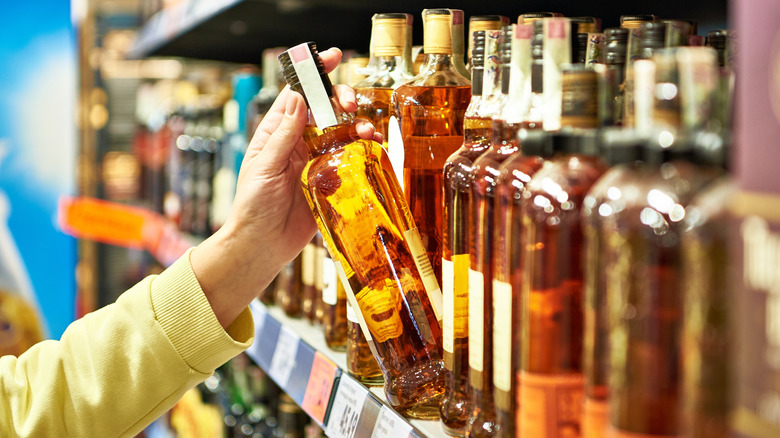
The bourbon aisle can be intimidating, especially when you're just beginning to dip your toes into the world of brown water. Between limited editions, celebrity-backed brands, elaborate packaging, and special mash bills, it's easy to assume that the best bourbon must also be the hardest one to find. But that's not necessarily the case. Tasting Table turned to Chris Blatner, creator of the whiskey page @urbanbourbonist on Instagram, to get his expert take on picking out the perfect bottle.
There are several mistakes everyone makes when buying whiskey, but Blatner quickly summed up the biggest mistake you can make when buying bourbon: "Chasing hype. Bourbon drinkers can become fixated on rare bottles, high-age statements, limited editions, and whatever is getting attention online. Scarcity doesn't automatically equal quality, and you can overlook some great whiskey sitting right on the shelf in front of you because you're searching for the bottle everyone else wants."
Bourbon is particularly subjective, so you shouldn't count on the internet's reviews to match your own. Instead of squabbling with collectors over bidding wars on rare bottles, figure out what characteristics you personally like. "Learn what you actually like and shop from there. Pay attention to the distilleries, mash bills, proofs, ages, and flavor profiles of bourbons you've enjoyed, then use that information to choose your next bottle," Blatner advised.
Figure out your palate preferences first
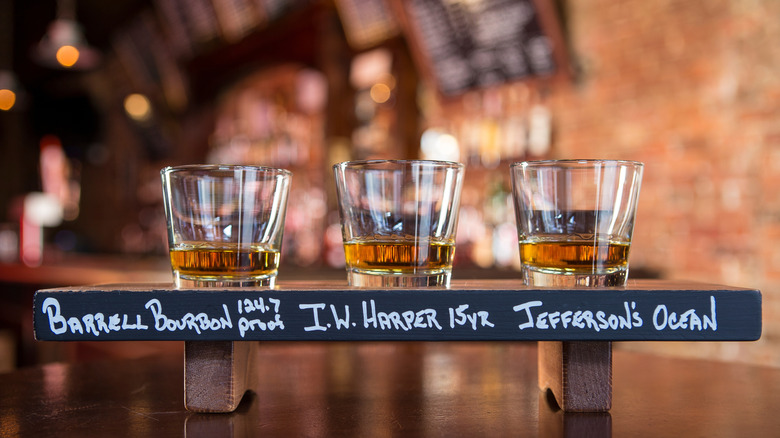
The best way to figure out which mash bill you like best is to try them all. Chris Blatner said, "Try things at a good whiskey bar or ask your favorite retail store if they have an open bottle of something you'd like to try, many of them do these days and they'll be happy to let you sample." If you're lucky enough to be near a distillery or a well-stocked bar, order a bourbon flight. This allows you to compare and contrast several different varieties before you splurge on a whole bottle.
"Once you understand your own palate, buying bourbon becomes much easier, and you're less dependent on ratings and hype," said Blatner. Limited availability can certainly create the illusion that a bourbon is inherently superior, and sometimes, a rare bottle really is that special. But more often than not, you're simply shelling out the big bucks for limited supply, a coveted name, or collector demand. Not necessarily quality bourbon, or even a bourbon you'll like.
This same rule also applies to expensive age statements. It's a common bourbon myth that aging is always a positive. Aging certainly changes whiskey — but more time in a barrel isn't always an upgrade. The best bourbon-buying strategy is surprisingly simple if you follow Blatner's tips. Buy for your palate, not someone else's collection. Never let bourbon culture convince you that you need the rarest, most expensive bottle in the store.