

The Healthiest Cheeses, According To A Dietitian
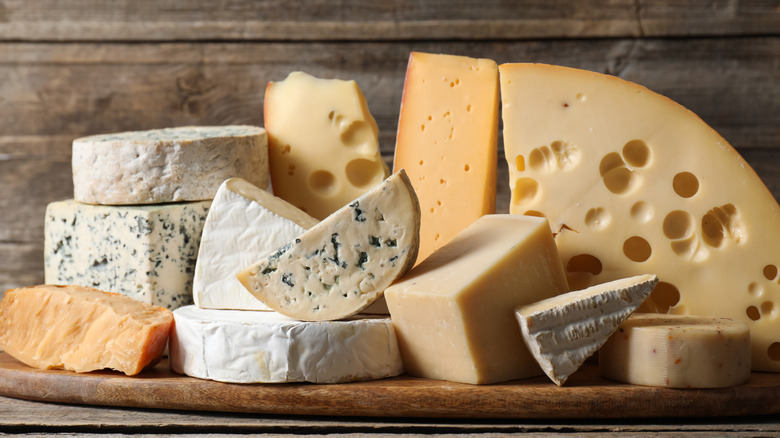
Apart from being marvelously tasty, cheese brings a lot to the table, including a wide variety of styles, flavors, textures, rinds, origin provenances, and cheesemaking processes. That's before even considering the intriguing world of cheese flavoring and blending, such as wine-infused, fruit-blended, and herb-and-spice cheeses. But in the midst of that goodness, it's easy to lose sight of nutrition aspects — so we reached out to registered dietician Angel Luk for an expert insight into the healthiest types of cheeses to eat.
Luk feels that identifying the healthiest cheeses essentially comes down to a person's definition of healthy, which is often determined by life or health circumstances. "For people with high blood pressure," she says, "they may opt for Swiss because it's generally lower in sodium." Nutritionists largely agree on that, particularly when eating the widely available American version of Swiss cheese, inspired by Emmental cheese from Switzerland. "Melting Swiss onto a cooked bed of broccoli would be a lower-sodium way to enjoy that distinct cheesy broccoli flavor," notes Luk.
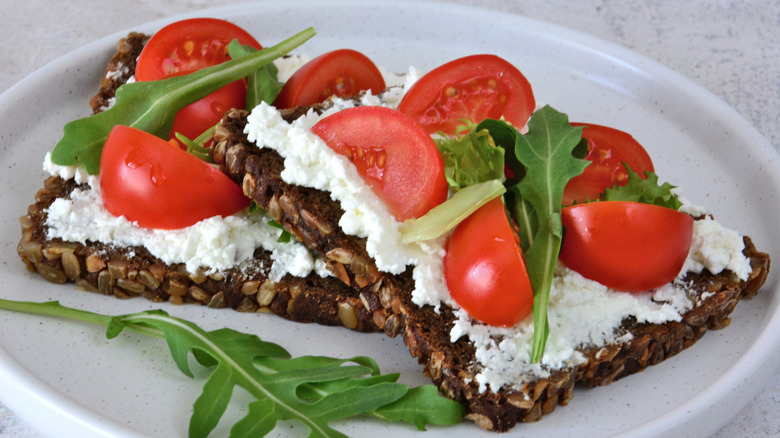
When it comes to getting more protein into your diet, a different kind of cheese fits the bill. "If someone is having a hard time meeting their protein goals, cottage cheese would be a good option," says Luk, "as it's generally denser in protein than other options when compared ounce for ounce." For interesting ways to eat this soft, fresh cheese, she points to two different approaches. "Personally, I like having cottage cheese savory with a few cracks of black pepper and maybe a sprinkle of pumpkin seeds. But I think many people enjoy it with fresh or frozen fruit for a sweeter flavor." You'll find additional ideas with these 12 unexpected ways to use cottage cheese as an ingredient.
Healthy cheese consumption includes portion control
Many folks agree that certain types of cheese can be irresistible, which can affect the healthy aspects of this otherwise health-friendly food. That's when the amount of cheese you eat really matters. Luk says, "I think the best option would be one that's easy to portion control, because cheese has such a lovely, umami flavor and the fat content is so pleasing, that it's often easy to lose track of how much we have."
For that reason, Luk recommends strong cheeses that you only need a small amount of. "I think Parmesan is a good option because it has such a strong flavor, that grating it lightly over any dish, or cutting them into very small pieces for a snack board, would still feel very indulgent and satisfying," she explains. Take a look at our tips for cooking with Parmesan cheese for more ways to use this flavorful ingredient.
Cheese in general is fully engrained into modern cooking traditions, whether for snacking, sandwiches, charcuterie boards, or folded into cheesy pasta dishes, casseroles, quesadillas, creamy soups, and savory tarts. When choosing wisely, there's no reason to avoid cheese — and every reason to embrace the benefits of eating reasonable portions. The dairy product includes valuable minerals and vitamins, high-quality protein, and calcium for bone density. It's a food that's been around for thousands of years so dig into the fascinating world of international fromage with our guide to different types of cheeses. You'll discover intricacies of everything from brie to burrata, chevre, cotija, fontina, manchego, queso, Trappist, Pecorino Romano', and dozens more.