

8 Forgotten Old-School Tequila Cocktails You Rarely See Anymore
When one envisions the tequila cocktail realm, the Paloma and margarita often come to mind. Both concoctions deliver a delightful balance of tart and sweet, and there are endless riffs on the two drinks. But what about the cocktails of yesteryear? Tequila has been around for centuries, so there must be long forgotten creations featuring this beloved Mexican spirit, am I right?
Since I'm a fan of tequila-based cocktails, I dug deep into the canon of the liquor's history to learn more. To help me decipher some old school tequila cocktails — and the reason for their demise — I interviewed several experts in the field. I gained tremendous insight from Carla Rivera, Event Service Captain at Constellation Culinary Group, Justine Tellez, bartender at Council Oak Steaks & Seafood at the Hard Rock Atlantic City, Rob Barter, venue director at El Ultimo in Mexico Ceaty in San Antonio, Chris Harrop, director of beverage and lead bartender at Forsythia and Known Associates in Philadelphia, Edgar Morales, bartender at Sobre Masa in Brooklyn, Luis Del Toro, bartender at Casa 71 at the Westin La Paloma Resort & Spa in Tucson, Lindsey Murphy, Beverage Manager at the The Hunt Bar at the Inn at Hancock in New Hampshire, Lawrence Acosta, chef and beverage director at The Plaza Hotel Pioneer Park, and Dale Dcruz, director of food and beverage at the Grand Hyatt Grand Cayman Resort & Spa (opening fall of 2026).
The Matador
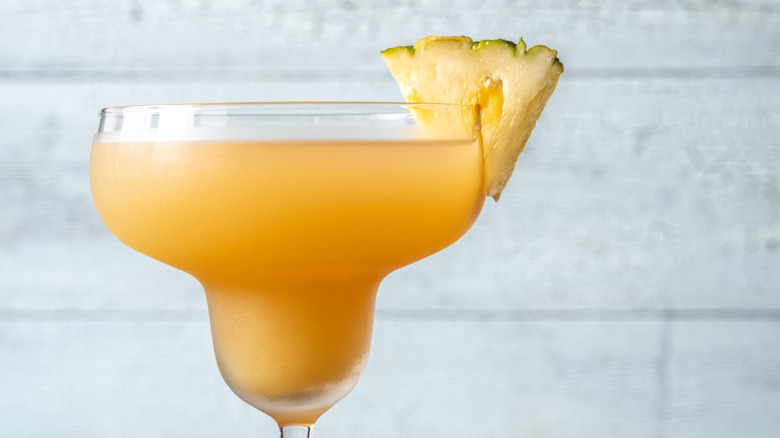
The original Matador first appeared in the Café Royal Cocktail Book, published by the United Kingdom Bartenders Guild in 1937. The tome featured recipes for cocktails that were popular at London bars between the two world wars. The drink was dry and spirit-forward and consisted of tequila, dry vermouth, and orange curaçao. Edgar Morales articulates, "The way bartenders read and treat vermouth in cocktails now is very different than in the 1930s." According to Morales, the historical harshness often meant bartenders need to lean on the mollifying effects of vermouth to soften cocktails.
In 1972, Trader Vic's transformed the cocktail into something more tropical by blending tequila, pineapple juice, and lime juice. A fresh wedge of pineapple completed the drink now dubbed the Tequila Matador. Chris Harrop says, "I love how the pineapple softens tequila's earthy character making this an incredibly approachable cocktail." Justine Tellez believes that the Matador still lives on in many forms, with variations and riffs — like spicy pineapple margaritas — being spiritual successors.
Luis Del Toro seconds this. "I believe some old school cocktails haven't lost steam or become unpopular, they have evolved into modern classic cocktails." Rob Barter suggests that the original version of this drink could make a comeback. "Today's cocktail drinkers have embraced spirit-forward, bitter, and lower-sugar drinks, and [The Matador] fits perfectly into that movement."
The Rosita
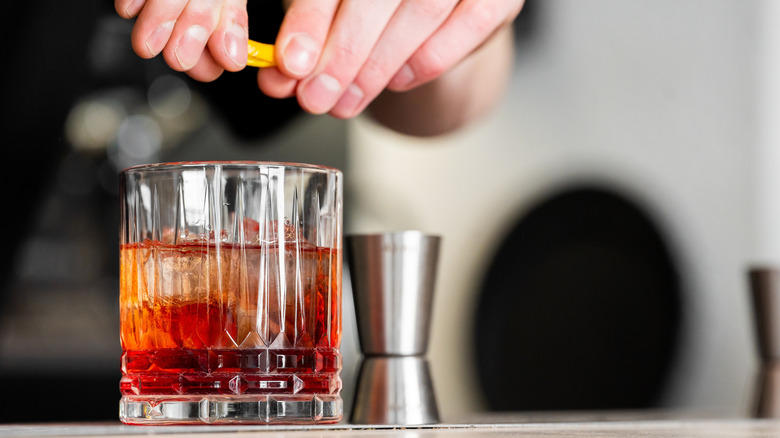
The actual origin of the Rosita is unclear, but it likely dates to the 1970s and is analogous to a tequila-based Negroni. Justine Tellez describes the cocktail as a marriage of reposado tequila, Campari, sweet vermouth, dry vermouth, and a dash of Angostura bitters. She asserts that the Rosita's use of dry vermouth add a layer of flavor that the sweeter, classic Negroni doesn't have.
Chris Harrop describes the Rosita as Negroni that went on vacation to Mexico. He explains, "In this cocktail, tequila replaces the gin, bringing peppery agave notes to one of the most spirt-forward classic cocktail templates."
Perhaps it's time for the Rosita to make a comeback. Dale Dcruz says, "I think one of the biggest reasons these cocktails have fallen out of favor is that they were created in an era when tequila itself wasn't always the star." According to Dcruz, modern tequila drinkers are looking for cocktails that put the flavor of premium spirits on a pedestal. The Rosita is an agave-forward option.
Rob Barter suggests that the Rosita was simply ahead of its time. "As tequila has gained the same respect once reserved for whiskey and gin, drinks like the Rosita deserve another look." Edgar Morales agrees and adds, "It's definitely a sweetheart of bartenders and well known by most who like Negroni-esque drinks."
Coctel Zapopan
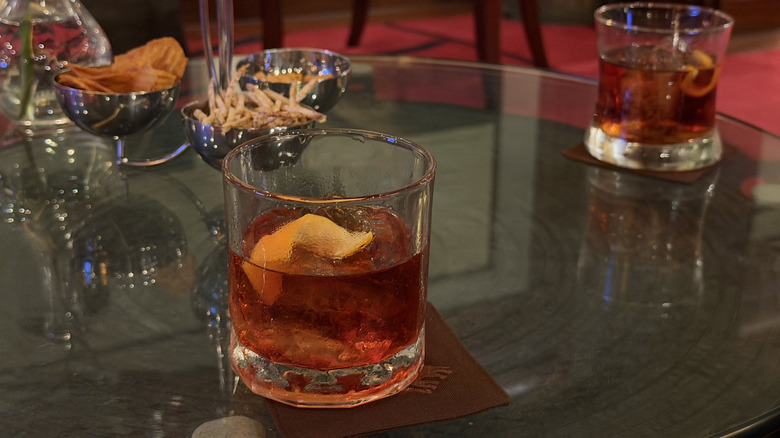
The Coctel Zapopan first appeared in a Mexican cocktail cookbook in 1961 and featured a amalgamation of tequila, vermouth, and tart, fruity grenadine. The drink was served over ice, blended with a spoon until frosty, and garnished with a maraschino cherry. Justine Tellez explains, "Coctel Zapopan is an extremely easy cocktail to create, largely consisting of your preference of either blanco or reposado tequila, rounded out by the addition of sweet vermouth and a splash of grenadine." She suggests that the drink fell out of favor because of the relatively simplistic recipe.
Rob Barter agrees and suggests that the cocktail disappeared because era-defining recipes and recipes that have a highly specific regional reputation aren't represented in drinking culture as much anymore. According to Barter, bar patrons have become more likely to order universally recognized cocktails. "That doesn't necessarily reflect their quality — it reflects how bars streamline menus and how consumer familiarity influences ordering habits."
Can the Coctel Zapopan be revived? Lawrence Acosta asserts, "Right now we are seeing a renewed interest in retro cocktails, driven by nostalgia." Lindsey Murphy concurs, "People are realizing that tequila isn't just for the 'spicy margs' and seeing the spirit for its hidden nuances and ['smoky'] undertones." Carla Rivera adds, "We can bring anything back these days with the right content: a good Instagram story telling/recipe reel, a good YouTube short, a well-written article, and boom, these old drinks are back in rotation."
Old School Tequila Sunrise
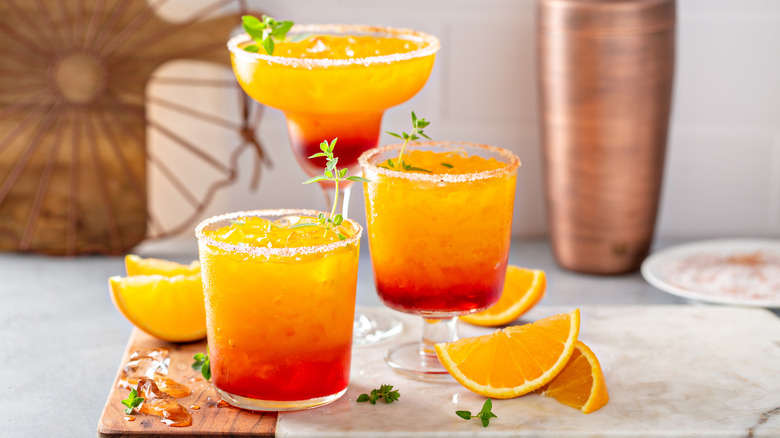
The modern day Tequila Sunrise was created at the Trident bar in Sausalito, California in the early 1970s. The drink became popular after a Rolling Stones musician sampled it during a party to kick off the band's 1972 concert tour. Some say it was Mick Jagger, others claim it was Keith Richards, but it hardly matters — the performers ordered the cocktail throughout the tour and, in 1973, Jose Cuervo added the recipe to its tequila bottles.
Justine Tellez suggests that the cocktail originated much earlier. "The currently accepted Tequila Sunrise which we all know (and love) is a far cry from its ancestral origin of the 1930s." The original cocktail was made with lime juice, soda water, and crème de cassis, a French liqueur made from macerated black currants. However, Tellez asserts that the modern Tequila Sunrise (blaco tequila, orange juice, and a healthy splash of grenadine) has a more accessible and sweeter flavor, a "brighter and more visually appealing replacement."
Rob Barter adds that the Tequila Sunrise is a textbook case for how a cocktail's reputation can overshadow an original recipe. According to Barter, "The authentic version, made with crème de cassis rather than modern grenadine, has far more depth and complexity." In comparison, the simple version we know today is "a victim of the sweet, brightly colored cocktail era," says Barter. And that perception is hard to shake.
Hermosa Beach
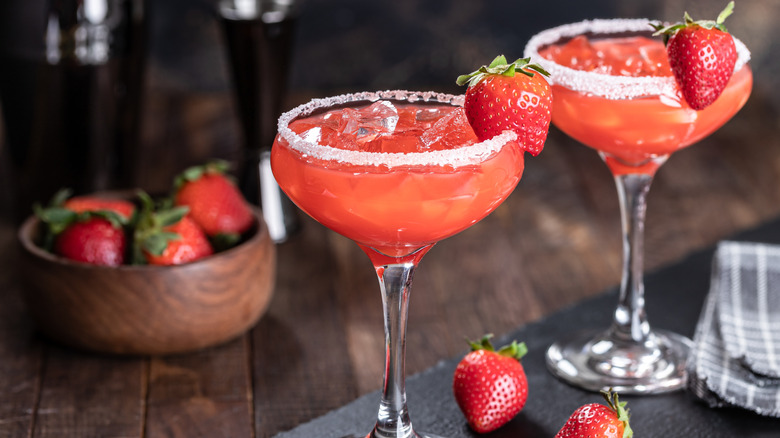
The Hermosa Beach is a fruity blend of reposado tequila, lime juice, muddled strawberries and basil, and demerara syrup, a simple syrup made with coarse demerara sugar. Like turbinado and brown sugar, demerara sugar provides sweetness with additional notes of caramel and toffee.
The origin of the Hermosa Beach is vague, but if you think it resembles the modern-day strawberry margarita, you are correct. Justine Tellez defines the strawberry marg as the descendent of the Hermosa Beach. Though the older cocktail is sweeter, more citrusy, and slightly herbal, Tellez fears the contemporary strawberry margarita lacks the nuances of the traditional Hermosa Beach. "Unfortunately, the subtleties of a reposado tequila and the basil are lost in today's strawberry margaritas."
Edgar Morales agrees, explaining why some drinks fall out of favor: "I'd attribute that to the extra ingredients needed to build them, making them less of a staple." For this reason, the simpler strawberry margarita has become a more readily available order, especially for the average guest.
Dale Dcruz is hopeful that neglected tequila cocktails like the Hermosa Beach can make a reappearance. "I think we're seeing a broader trend where bartenders are rediscovering forgotten classics and updating them with better ingredients, balanced sweetness, and premium spirits." He adds, "I wouldn't be surprised if a few of these cocktails make a comeback as vintage cocktail culture continues to grow."
The Gay Caballero
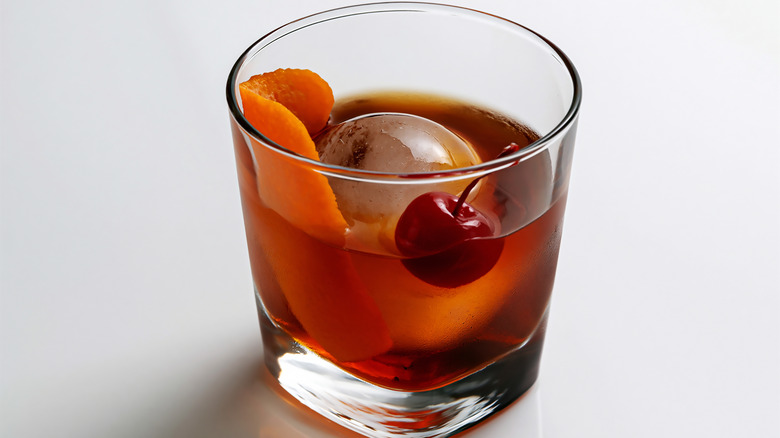
I want to bring this cocktail back simply because the name is cool. The Gay Caballero cocktail was purportedly named after a 1940 Cesar Romero movie of the same title. The drink features reposado tequila, Malaga wine, orange curaçao, lemon juice, and maraschino liqueur. Thanks to the marriage of tequila, tangy lemon, sweet wine, and even sweeter maraschino liqueur, the drink delivers smoky, sour, and sugary notes.
Justine Tellez explains why the drink may have lost appeal, "One of the most readily obvious reasons for the decline in popularity of this cocktail is the lack of availability of Malaga wine." Malaga wine is produced in the Malaga region of Spain, and the sweeter varieties are the most traditional and historically significant. The sweet wines are typically made from sun dried grapes, and they deliver nuances of fig, raisin, honey, caramel, citrus peel, and toasted nuts.
As you can imagine, those flavors partner quite well with the toasted oak and vanilla essence of reposado tequila. But, as Tellez states, "Such a specific ingredient is not one that a guest can assume to reliably find." Sherry may be substituted for the Malaga wine in this cocktail, but at that point, it's no longer the classic drink from 1940.
The Tequila Daisy
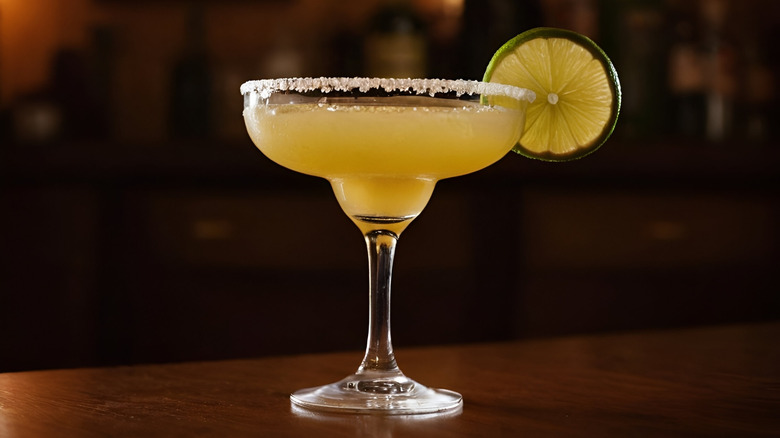
The Tequila Daisy originated in the early 1920s when, according to reports, a bartender mistakenly grabbed a bottle of tequila when crafting a gin daisy — a medley of gin, lime juice, raspberry syrup (or grenadine, which was less expensive at the time), and club soda. The drink delivered a bright citrus flavor with sweet, fruity notes. You might find it familiar to one of our most popular modern tipples. "The true origin of what we know today as the margarita, the Tequila Daisy, encompasses a variety of recipes combining tequila, orange liquor, citrus juice, and club soda," says Justine Tellez. According to Carla Rivera, "Daisy is actually the Spanish word for margarita, so in a sense, the margarita is the Tequila Daisy."
"In my opinion, [the Tequila Daisy] is much better, because it includes club soda and sometimes grenadine or other sweetened syrups to further liven up the flavors," says Chris Harrop. If it's so beloved, what happened to this sweet and tangy tequila cocktail? "The natural evolution of this cocktail has phased out club soda as an ingredient entirely," says Tellez. Menu streamlining prioritized the easy-to-make marg.
Rob Barter concurs, "The Tequila Daisy has been overshadowed largely because its descendant — the margarita — became so overwhelmingly popular." He goes on, "Once a single variation dominates a category, it's difficult for the originals to survive, even if they're equally well-balanced."
El Diablo
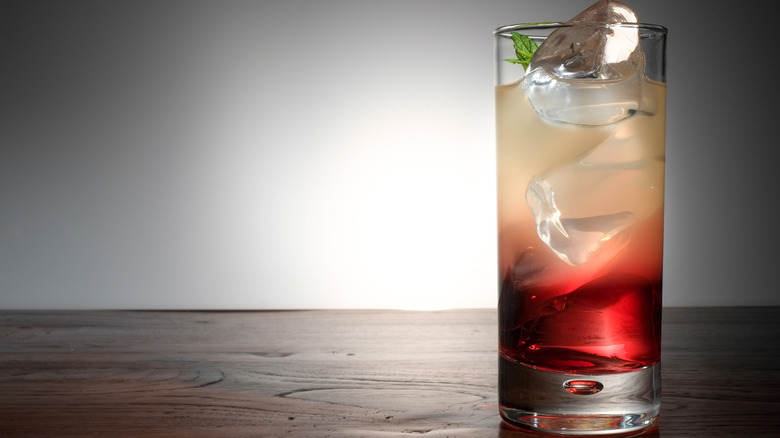
The first known recipe for the El Diablo appeared in 1946 in "Trader Vic's Book of Food and Drink". The drink consisted of resposado tequila, lime juice, crème de cassis (a back current liqueur), and ginger ale. Justine Tellez describes El Diablo as a tequila mule with its own twist. Note: Back then, ginger ale was spicier and more akin to modern day ginger beer.
Per Tellez, the reason this tequila cocktail is forgotten is because crème de cassis has gone out of style, taking the prevalence of this cocktail with it. Carla Rivera concurs with Tellez's assessment of this drink being the essential tequila version of a Moscow Mule, though she tells us that she thinks the drink doesn't truly need a comeback; in many places, it's still in the rotation.
Rob Barter falls in Tellez's camp, suggesting that the El Diablo appears poised for renewed popularity. "Ginger beer, cassis, and high-quality tequila are all more accessible today than they were twenty years ago, and today's consumers are much more adventurous." Plus, says Barter, the drink has a modern vibe, despite its age.
Lawrence Acosta agrees; to him the original components of El Diablo are relevant flavors today. If you're not thirsty yet, listen to Chris Harrop, who proclaims that "El Diablo's combination of tequila, cassis, lime, and ginger beer is one of the most refreshing highballs you'll ever taste."