

10 Foods That Seem Healthy But Aren't As Good For You As You Think
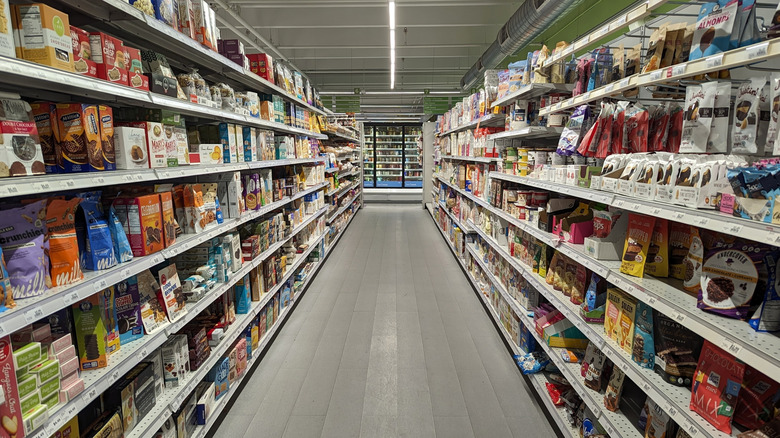
Food manufacturers know we strive to eat healthy — at least most of the time — so many products cater to that wish. Labels do their best to grab our attention, with buzzwords like wholesome, smart snacking, and made with simple ingredients, but what do these claims even mean? Wholesome isn't a term regulated by the FDA for use on labels, so it's hard to know what that means. And a product with "four simple ingredients" sounds healthy, but what if one ingredient is sugar and one is added flavor?
I've been a nutritionist for over 25 years, so I've read my share of nutrition labels. While product labeling requirements have gotten a tad stricter, I'm still constantly surprised by foods that appear healthy at first glance, but are actually far from it. An item may look exceedingly healthy on the front of the package, but flip it over, and the ingredient list can be highly objectionable. Nutrition is my profession, and I'm still astounded; I can only imagine how hard it is for folks navigating grocery store shelves seeking healthier options.
For that reason, I've compiled a list of popular food items that aren't as nutritious as they seem. Whether it's breakfast, lunch, or the snacks you crave round the clock, I've assembled ten categories of foods to be aware of. Thankfully, there are plenty of alternatives to the foods listed below, and a quick look at nutrition labels will help you decide what's best for you.
Granola
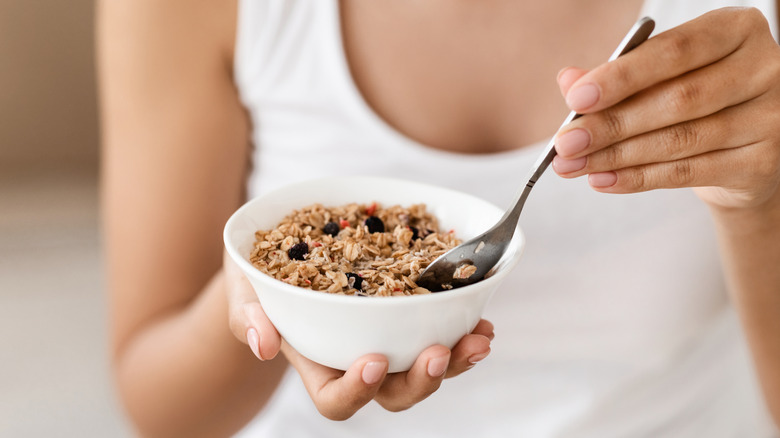
A handful (or bowlful) of crunchy oats, seeds, and nuts might appear to be the quintessential wholesome nosh, but sadly, in many cases, it's not. While ingredients like whole rolled oats, roasted nuts and seeds, and dried fruit are nutrient-dense, mass-produced granola often contains added fats and sugars that marry everything together.
For example, the ingredient label on Sam's Club Member's Mark honey almond granola starts with whole rolled oats, but the second ingredient is cane sugar. One 2/3-cup serving of this granola contains 15 grams of added sugar, or the equivalent of six milk chocolate Hershey's Kisses. There's also added canola oil, and each serving delivers 8 grams of fat. Sure, some of that fat comes from heart-healthy nuts, but the canola oil adds additional, unnecessary fat.
Thankfully, not all granolas are unhealthy. Read labels and you'll uncover granolas that are rich in protein, vitamins, minerals, and fiber, not fat and sugar. When shopping, look for ingredient lists that start with whole rolled oats, followed by nuts, and seeds like flax, pumpkin, and sunflower. If desired, choose a product with dried fruit, but avoid granolas with loads of added sugar and oil, especially if those ingredients are higher up on the list. Also, check the serving size—some products suggest a paltry serving size of ¼ cup, and you're likely to consume more than that amount. Another option? Make homemade crunchy granola, and you'll know exactly what you're eating.
Wheat crackers

Most wheat crackers contain some form of wheat flour, but I can assure you, many are devoid of any real whole grains. For a product to be considered whole grain, it must contain all three nutrient-rich, structural components of the seed: the bran, germ, and endosperm. Pick up a box of wheat crackers, and it's highly unlikely you will see the term whole grain, unless you're holding a box of original Triscuits with three ingredients: whole grain wheat, canola oil, and salt.
Read labels, and you'll find many wheat crackers are made with wheat flour, not fiber-rich, whole grain wheat. For example, Pepperidge Farm wheat crackers contain wheat flour, vegetable oil, sugar, and a handful of other ingredients, including wheat germ, oat fiber, malted barley, and nonfat milk. I don't necessarily have a problem with that list, but it's not a healthy choice, especially because one serving (3 crackers) contains less than 1 gram of fiber.
I do have a problem with another cracker's label — Club multigrain crackers contain wheat flour, whole wheat, defatted wheat germ, and oat bran, but they also contain sugar, high fructose corn syrup, and TBHQ (tert-butylhydroquinone). TBHQ is a food additive used to prevent rancidity in processed foods (and cosmetics and pharmaceuticals), and its safety is highly questionable. Due to its potential harm to human health, the FDA allows TBHQ to be used only in authorized quantities in food, and it recommends limiting consumption of this chemical additive.
Trail mix
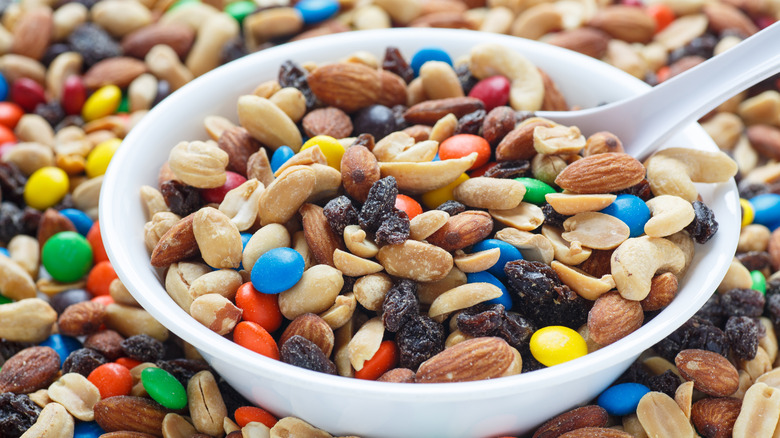
As its name suggests, trail mix is designed to keep you nourished on the trail. The combination of nuts and dried fruit is certainly a nutrient-dense, protein-rich burst of natural sugar that might come in handy during a long hike. In fact, research shows that a combination of different nuts may offer more benefits than chomping on a single variety. The problem is, many trail mixes contain more than just nuts and dried fruit. And, let's face it, people aren't just eating trail mix while trekking.
Take Costco's Kirkland Signature trail mix with peanuts, raisins, almonds, and cashews. If only it stopped there. The mix also contains M&M's, which means the medley delivers the petroleum-based synthetic dyes red 40, yellow 5, yellow 6, blue 1, blue 2, and more. Due to health concerns, the USDA and FDA have announced measures to eliminate these dyes from our food supply, which means you should too. Walmart and Kar's have similar versions, so I suggest you avoid those too.
Never fear trail mix fans, there are plenty of healthy packaged trail mix options to choose from. When shopping, choose products that stick to the basics — mixed nuts, dried fruit, and seeds. For those who crave chocolate in their snacks, look for something like Sam's Club Member's Mark trail mix, which boasts semisweet dark chocolate pieces mixed with almonds, walnuts, cashews, pumpkin seeds, dried cranberries, dried blueberries, and dried cherries (and the product is free from synthetic dyes).
Veggie straws
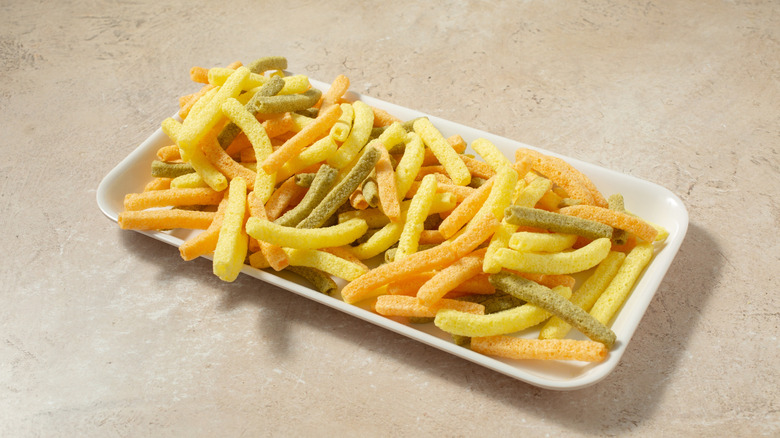
I'll admit, I was immediately drawn to veggie straws when they hit the market. I mean, vegetables served as a salty, crunchy snack? Sign me up. Turns out, eating a handful of veggie straws is equivalent to eating a bunch of potato chips. Let me explain. A 1-ounce serving of veggie straws contains 130 calories and 7 grams of fat. It doesn't matter if it's a colossal food manufacturer or your favorite store brand; I found the numbers to be similar.
Now compare those numbers to potato chips. For example, a 1-ounce serving of Cape Cod classic potato chips has 140 calories and 8 grams of fat. Here's the thing — at least when you're eating potato chips, you know you're eating potato chips, and there's a chance you'll hold back. As expected, the same is true of veggie chips. I will say this — most veggie straws and veggie chips are free from artificial food coloring since most use powders of spinach, beetroot, and tomato instead. And some are made with heart-healthy avocado oil, which is a great choice.
Final thought: Veggie straws and veggie chips should be viewed as the potato chip's cousin. If you really want to enjoy actual vegetables that are salty and crisp, skip the packaged version and make healthy veggie chips at home.
Protein bars
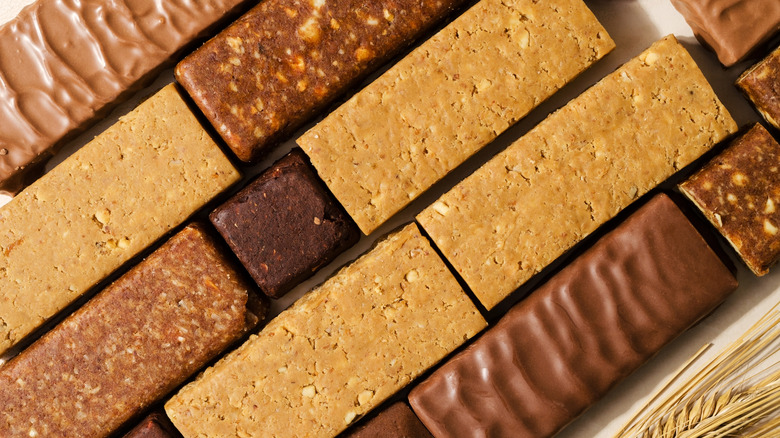
Dietary protein is essential because it's needed for the production and repair of our body's cells. There are other benefits, including increased muscle mass and muscle retention, improved bone density, weight loss, and appetite suppression, so it's clear protein plays an important dietary role. Does that mean we should supplement our diet with store-bought protein bars? Not necessarily. For starters, if you consume a well-balanced diet that includes meat, seafood, poultry, nuts, seeds, beans, and legumes, you're likely getting enough protein.
To determine your base level protein needs in grams (the amount you need to meet your basic nutritional requirements), multiply your weight in pounds by 0.36. For example, a sedentary 40-year-old woman weighing 145 pounds should aim for at least 52 grams of protein per day. Fifty-two grams of protein is easy to achieve — one skinless cooked chicken breast contains 56 grams of protein.
Now back to protein bars. Unlike that cooked chicken breast above, many commercially made protein bars contain excess calories, sugar, and ingredients that aren't nutritionally beneficial, like palm oil, corn syrup, and the additives BHT and TBHQ. Plus, a 2025 study by the National Library of Medicine revealed that the protein quality in bars labeled "high protein" was often quite low. Protein bars, especially those with chocolate and caramel coatings and loads of added sweeteners, are basically glorified candy bars. If you must indulge, read labels and choose bars with short ingredient lists devoid of added sugars, oils, and additives.
Flavored yogurt

To clarify, I'm talking about flavored yogurt, meaning products with added ingredients. I'm not referring to plain, unsweetened Greek yogurt, which is brimming with protein, vitamins, minerals, and — when live and active cultures are present — gut-friendly probiotics. Less-than-optimal yogurt choices are those with added sweeteners, artificial colors, and sugary mix-ins.
For example, Yoplait's strawberry yogurt contains milk, sugar, and strawberries and delivers 18 grams of sugar per 6-ounce container. Thirteen grams of that sugar is added, meaning it's not from the strawberries. And for those with allergies (or an ick for bugs), this yogurt contains carmine, a red food coloring agent made from crushed insects. Personally, I'll take bugs over synthetic food dyes any day.
Yogurt topped with candy and cookies is an obvious suboptimal choice, am I right? Take Chobani's flip-style peanut butter cup yogurt—it has just 180 calories per 4.5-ounce serving, but it also contains 20 grams of sugar, which is the equivalent of 5 teaspoons of granulated sugar. About ½ cup of yogurt is unnecessary. This product also contains palm kernel oil, a largely saturated fat that increases the risk of heart disease.
Frozen yogurt is no different, even when made with Greek yogurt. Yasso's mint chocolate chip frozen Greek yogurt has a fairly clean ingredient list (no palm kernel oil or artificial colors) and just 150 calories per 2/3 cup serving, but each serving also has 19 grams of sugar, or almost 5 teaspoons.
Breakfast cereal
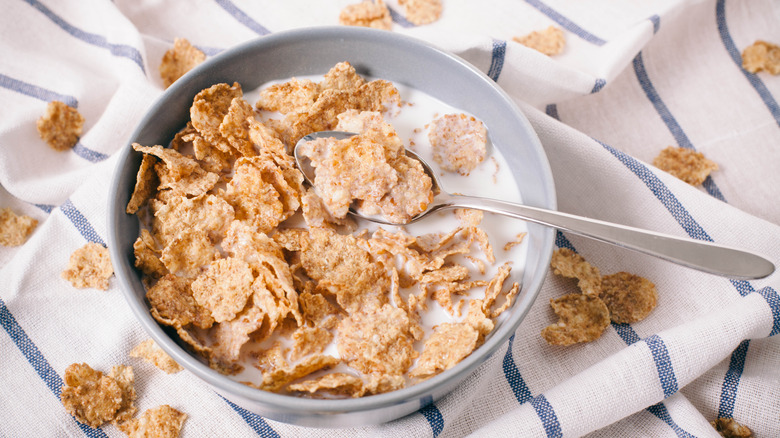
The breakfast cereal category is massive, so I will try to keep this simple. Those who like to start their day with a bowl of cereal should choose nutrient-packed muesli, bran-based cereals, and whole grain cereals without added sugars and preservatives. These high-fiber, low-sugar cereals correlate with a lower risk of cardiovascular disease and cancer, while their sweetened, sugary counterparts are linked to an increased risk of these conditions.
For example, choose Bob's Red Mill Old Country Style muesli, and you'll enjoy whole grain wheat, rye, barley, oats, dates, raisins, almonds, walnuts, flax seeds, and sunflower seeds in every spoonful. Each filling, ¼-cup serving has 140 calories, zero added sugar, and 4 grams of satisfying, gut-friendly fiber. For comparison, Kellogg's Frosted Flakes has just 130 calories per 1-cup serving, but each cup delivers 12 grams of sugar (all of which is added sugar and the equivalent of 3 teaspoons) and only 1 gram of fiber. This product is basically milled corn and sugar, with added vitamins and minerals for good measure. There are many other cereals just like this.
When shopping, notice that cereals with heaps of sugar and artificial colors are often eye level, and those geared towards kids are slightly lower (at their eye level). The most nutritious cereals are often on the highest and lowest shelves in the store. Read labels and select cereals with whole grains, minimal added sugar and no artificial colors or flavors.
Sports drinks

Reaching for a beverage labeled "sports drink" after an intense workout might seem like a good idea, but think twice before gulping one down. Sports drinks are basically flavored water with added sweeteners, minerals, and electrolytes — ingredients that help replenish the body during and after strenuous exercise. The problem is, many of these products are crammed with sugar and additives, and some contain synthetic food dyes.
For example, Gatorade's Thirst Quencher lemon-lime flavored sports drink contains 21 grams of sugar per 12-ounce serving. That's the equivalent of 5 ¼ teaspoons of sugar. This product also contains Yellow 5, a synthetic food dye linked to cancer and hypersensitivity reactions. I'd be fine with a clear beverage without harmful additives, how about you?
It's not just Gatorade, so read labels to know what you're chugging. Powerade Mountain Berry Blast also contains 21 grams of sugar per 12-ounce serving, and that all comes from high fructose corn syrup, a sweetener linked to chronic inflammation, metabolic disorders, and cancer. There's more. This drink also contains Blue 1, a petroleum-based, synthetic food dye linked to hypersensitivity reactions in children. There's zero nutritional value in Blue 1; it's simply used for aesthetics. Again, I'd rather drink a clear liquid that's free from artificial food coloring, and I suggest you do the same.
Yogurt covered food
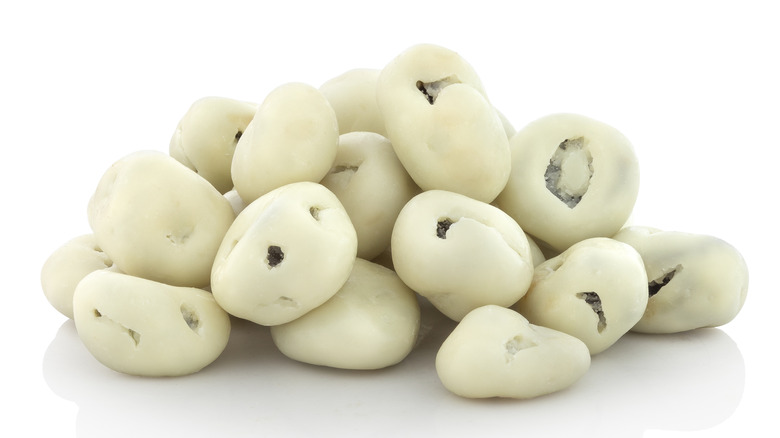
Most yogurt-coated foods, like pretzels and raisins, are dunked in a candy-like confection made from sugar and palm kernel oil. As mentioned, palm kernel oil is high in saturated fat, and saturated fat raises LDL (bad) cholesterol and triglycerides, which, in turn, increases the risk for heart disease.
For example, Whole Foods Market 365 yogurt covered pretzels contain a "confectionery coating" of sugar, palm kernel oil, and nonfat dry milk. Far down on the ingredient list you'll find organic yogurt powder made from organic nonfat milk, lactic acid, and cultures, but these are not live and active cultures. The combination of sweet and salty may be tasty, but you need live, active yogurt cultures for measurable health benefits.
The same is true of yogurt-covered raisins. Sun-Maid vanilla yogurt covered raisins feature raisins coated with sugar, palm kernel oil, and nonfat dry milk. The label lists yogurt powder made with cultured whey and nonfat milk, but there are no active, live cultures here. Plus, this product is high in sugar — two tablespoons contain 19 grams of sugar (9 grams of sugar come from the raisins and 10 grams of sugar come from the glaze). Walmart's Great Value yogurt-covered raisins have a similar ingredient list of sugar, hydrogenated palm kernel oil, nonfat dry milk, and dry nonfat yogurt. One 28-gram (1-ounce) box contains 18 grams of sugar, and 10 grams of that is added sugar.
Multigrain bread
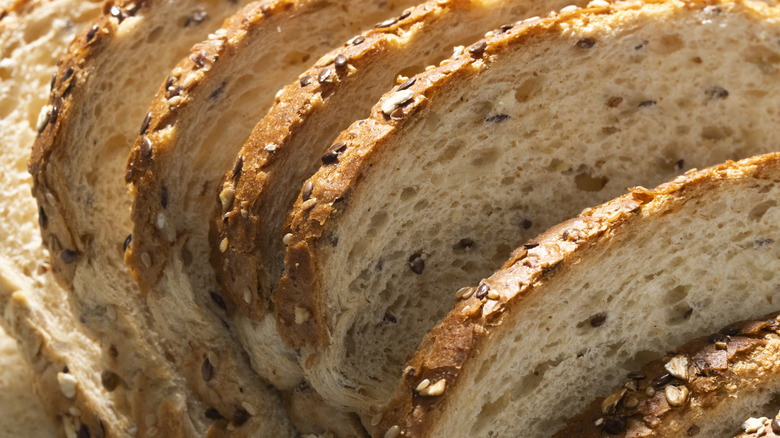
Let's start with this distinction — multigrain and whole grain are not the same thing. Multigrain is a term used on bread labels to make it appear that the product is a whole grain, but that's not always the case. Multigrain simply means multiple grains were used to make the bread. That could mean a medley of wheat, flax, barley, and oats, but it doesn't mean those grains were in their whole, most nutritious form. If the word "whole" doesn't precede the grain, it's not whole. For example, whole grain wheat and whole oat groats are whole grains. Enriched flour, wheat flour, bran, and wheat germ are not whole grains and, when you see them on the label, assume they were refined and/or stripped of their nutrient-dense inner and outer layers, meaning the germ and endosperm.
A loaf of nutritious bread starts with the word "whole", and many multigrain breads do not. Old Tyme 647 multigrain bread is a great example. The ingredient list starts with water and modified wheat starch, followed by whole wheat flour and enriched flour. The product contains a small amount (less than 2 percent) of a grain and seed blend (including wheat germ, cracked wheat, cracked barley, and flax seeds) for consumer appeal, but the base of the bread is made with refined flour.
Read labels when choosing bread and make sure the word "whole" is listed first. If there are additional whole ingredients after that, even better.