

Say Goodbye To Mediocre Wine - This 20-Minute Rule Makes It Taste Premium
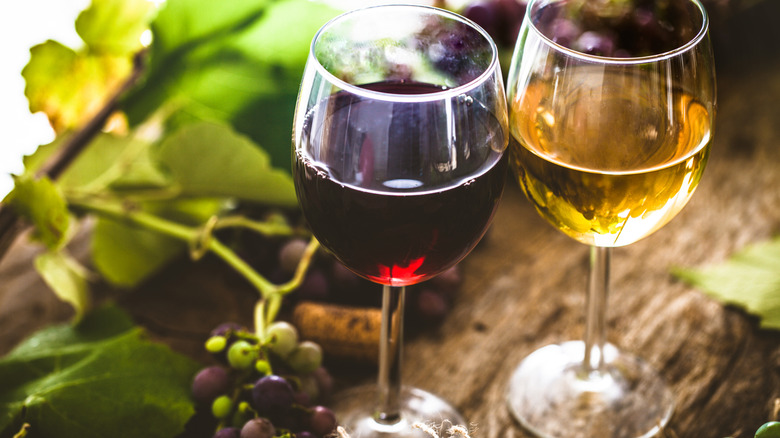
The amount of knowledge that seems necessary to properly appreciate wine — the different grape varieties, unique appellations, appropriate food pairings — can often be intimidating. One thing most of us already know is how important wine's temperature can be (even an otherwise delicious Provence rosé will be difficult to enjoy if lukewarm, for example). Fortunately, you can say say goodbye to mediocre wine with an easy, 20-minute rule that will ensure your drink of choice tastes premium by helping it reach the ideal temperature.
The 20-minute rule, as it is commonly known, comes with a simple inversion: Red wines should be refrigerated for 20 minutes prior to serving, whereas white, rosé, and lighter reds should be taken out of the refrigerator 20 minutes before enjoying. This may surprise those who drink white straight from the fridge or always serve red wine at room temperature (a practice which originated in the days when people lived in stone houses, which were significantly cooler). As anyone who's turned up the thermostat in winter or cranked the AC during summer will know, room temperature is not always consistent. Evidently, the 20-minute rule allows you greater control over a wine's temperature.
The reasoning behind the rule is to ensure a better taste by keeping delicate white wines from being robbed of their subtle complexities and powerful reds from being dominated by their alcohol content. Ideally, you should aim to serve white and light-bodied rosé or red wines at roughly 50-55 degrees Fahrenheit, and full-bodied reds at around 60-65 degrees Fahrenheit. However, this advice can vary depending on the specific wine, as our guide to the right temperatures to serve red and white wine explains in more detail.
The science behind the 20-minute rule
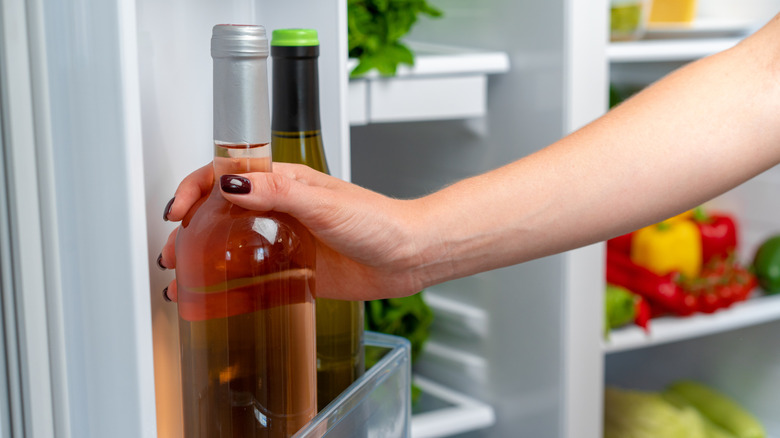
The 20-minute rule is not just a matter of taste, but science. When red wine becomes too warm, it increases the volatility of the alcohol, which can overpower and obscure fruitier or spicier notes. Lowering its temperature will suppress ethanol vapor and allow those flavorful nuances to be properly savored. Conversely, chilling white wine too much will suppress aroma compounds like esters and thiols. A slight rise in its temperature, however, will open up its more subtle herbal, citrusy, or mineral nuances.
The 20-minute rule is also perfect if you tend to stick to more budget-friendly wines (check out our recommendations of 15 cheap bottles of wine that taste expensive), and wish to replicate the conditions of a temperature-controlled wine cellar (which, annoyingly, many homes aren't equipped with). On Reddit, one user in favor of the 20-minute rule commented, "As far as I'm concerned, this is intended for all wines. I don't drink high-end wines. I have my favorites, and they average from $10 to $18 ... The advice, as I remember was make wine more enjoyable for everyone, regardless of cost."
If you want to exert maximum control over your wine's temperature while applying the 20-minute rule, wine thermometers are easy to find and generally inexpensive. Plus, waiting that recommend time frame before serving will give you a perfect opportunity to decant, so you can fully appreciate what decanting wine really does (and why you should do it).