

Sizzle Steak: What To Know About This Affordable Cut And Best Cooking Tips
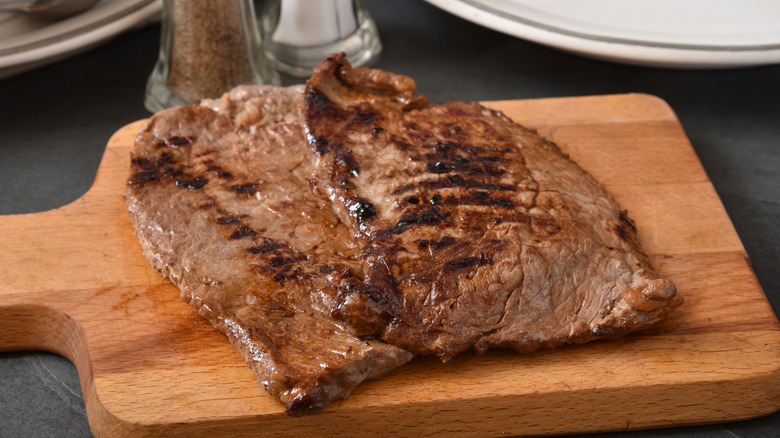
Nothing says special occasion like a steak dinner. Even if the occasion happens to be a random Tuesday night, serving a restaurant-quality steak at home is a simple way to elevate dinner any day of the week. And while there are many different cuts of steak to choose from, cuts like ribeyes, New York strips, and filet mignon often get top billing. They're indisputably delicious, but can leave a steak-sized hole in your wallet. If you're looking for a steak that won't break the bank, check your grocery store's meat section for a lesser-known option: sizzle steak.
Sizzle steak is flavorful and affordable if you know what to look for and how to prepare it. We asked chefs and beef experts for their take on what makes sizzle steak special. Dagan Lynn, executive chef for Beef. It's What's For Dinner; chef Gavin Pinto from Certified Angus Beef; Eric Vacha, production and processing manager at UW Provisions; Raul Gutierrez, partner and executive chef of Big Bowl; and Matt Riordan, divisional executive chef of Crying Tiger, Sushi-san, Ramen-san, and Tallboy Taco, shared their best tips and techniques for preparing sizzle steak perfectly, every time.
What is sizzle steak?
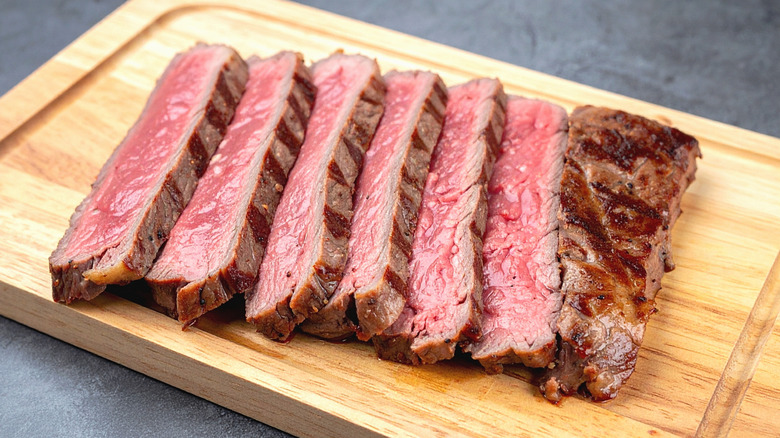
For many cooks, figuring out what sizzle steak is is the first question that needs to be answered. While sizzle steak isn't a new cut of beef, it is a relatively new term used by butchers and grocery stores for steaks that are sliced thin for quick cooking. It's affordable because it's typically cut from the bottom sirloin or the round. These are less expensive cuts because they are not generally tender. "Sizzle steak is a great option for home cooks looking for a budget-friendly, versatile cut that delivers bold beef flavor with minimal prep time," says chef Dagan Lynn.
Tenderness in beef cuts is determined by where on the cow it's cut from. Beef cut from muscles that do little work, like those along the back, is more tender than beef cut from areas like the legs and shoulders, where the muscles are moved frequently. These muscles are tougher because that movement produces more connective tissue and muscle fibers. Slicing the steaks thinly and cooking them fast counteracts the meat's natural toughness so the final result is deliciously tender.
Why is it called sizzle steak?
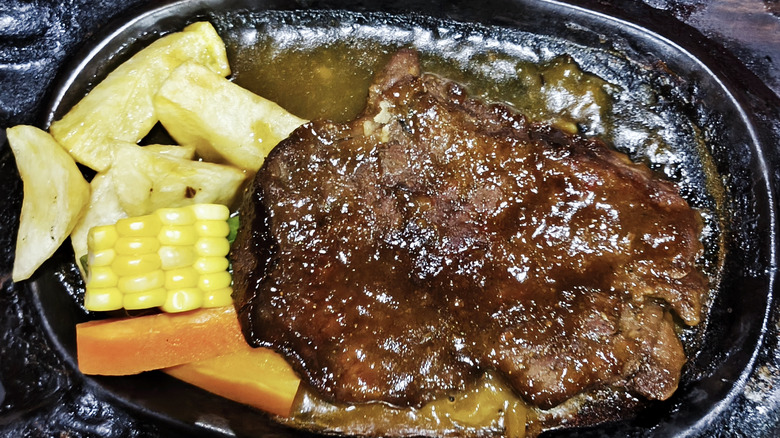
Since sizzle steak is not technically an official cut of meat, it doesn't have a clear origin story, but the name is a perfect description of the way this type of steak should be cooked. In the 1930s, salesman Elmer Wheeler coined the phrase, "Don't Sell the Steak — Sell the Sizzle!" Wheeler's words were meant to encourage other sales people to focus not just on the products they were pushing, but the experience the products could provide. While Wheeler's phrase wasn't about sizzle steak, his words do capture one of the steak's hallmark qualities. Sizzle steak, a relatively cheap cut, gets its name from the unmistakable sizzle it makes when it's added to a scorching hot skillet or griddle.
Some believe sizzle steak, aka sizzler steak, became more popular with the emergence of mid-20th century steakhouses. This new style of restaurant introduced a bit of culinary theater to diners. The steaks were served on heated platters so that the sizzling continued from the kitchen and into the dining room.
What does sizzle steak taste like?
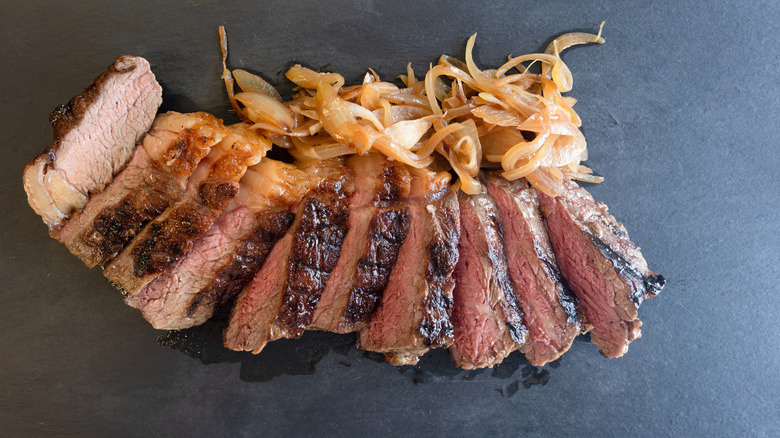
With sizzle steak, as with all beef, the part of the cow the steak is cut from not only influences its tenderness, but also its taste. "Sizzle steak typically comes from leaner cuts like sirloin, chuck or round, which gives it a robust, beef-forward flavor," says chef Dagan Lynn. Chef Raul Gutierrez describes the taste as a "rich, beefy flavor similar to many traditional cuts." Meanwhile, production and processing manager Eric Vacha believes sizzle steak's iron-like flavor is due to the increased amount of blood in the sirloin muscle, a result of regular use.
The quality of the beef also plays a role, according to chef Gavin Pinto. "The flavor depends largely on the quality of the beef it's cut from," he says. Pinto believes steaks cut from quality meat offer a more intense beef flavor.
How to tenderize sizzle steak
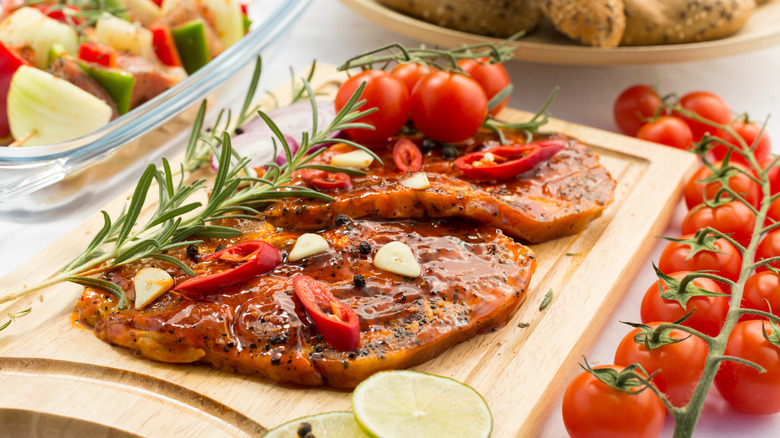
When cooking sizzle steaks and other typically tough cuts of meat, finding ways to tenderize the meat should be your first step. Marinating steak is nothing new, but for tougher cuts like sizzle steak, it's a step you won't want to skip. Some marinades can serve a dual purpose: They add flavor and soften the protein.
Make sure your tenderizing steak marinade contains an acid, like citrus juice or vinegar. The acid in these ingredients helps break down sizzle steak's tough muscle fibers. Fruit like papaya can also serve as your secret weapon for tenderizing steak. The fruit contains an enzyme that facilitates the breakdown of tough, muscle tissue. Marinate your sizzle steaks for at least two hours, or even overnight, for best results.
Dry-brining — salting the steak for a few hours before cooking — is another method of tenderizing sizzle steak. A layer of salt is spread gently on both sides of the meat. The salt pulls moisture from the steak, which in turn dissolves the salt, and when the liquid is reabsorbed by the steak, softening the meat. Be sure to rinse the steaks to remove the excess salt before cooking.
The best uses for sizzle steak
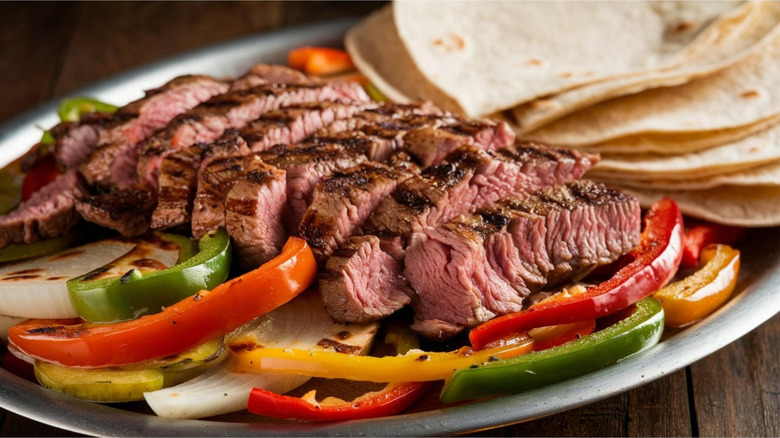
You'll love the versatility of sizzle steak. It's perfect for use in everything from sandwiches to salads, and the thin slices work well in stir-fries, fajitas, wraps, and cheesesteaks. "Sizzle steak is incredibly versatile," says Gavin Pinto. "Its thin slices cook quickly and can easily be cut into strips or bite-sized pieces, making it a great option for a variety of recipes."
Raul Gutierrez loves using sizzle steak in stir-fries. "Its thin cut allows it to cook rapidly while staying tender, and it pairs well with seasonal vegetables, noodles, or rice for a complete meal," he says. For Matt Riordan, the best use for sizzle steaks is in tacos and fajitas. "Since it's leaner and thinner, it thrives in applications where you want to achieve a quick sear (the 'sizzle') to build flavor without overcooking the meat. It's perfect for dishes that rely on a good sear and quick pan-toss," he says. A quick-cooking steak like sizzle steak is an ideal choice for weeknight dinners when the clock is moving fast, but you still want a real meal.
How to cook sizzle steak
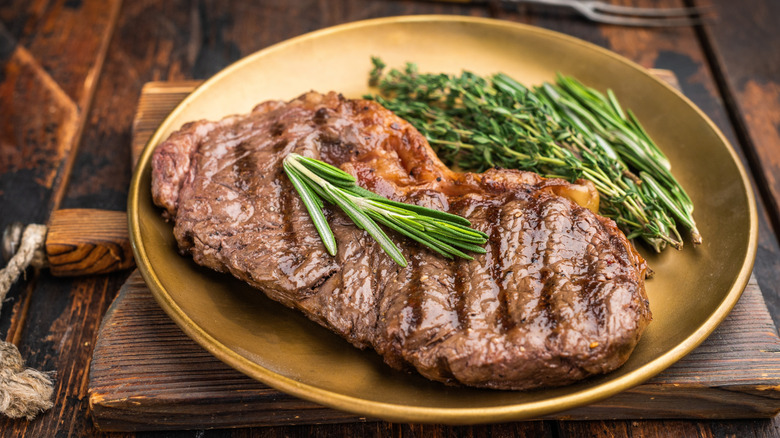
Sizzle steak can be simple to prepare, but it does require your full attention in order to cook it properly. The easiest and biggest mistake home cooks can make with it is overcooking it. This is where the difference between cheap and expensive cuts of steak becomes obvious. A pricier cut of meat may still remain somewhat tender if slightly overcooked. Cheaper cuts like sizzle steak start out tough and will only become tougher if they're cooked even a minute or two too long. Cooking these steaks just until they're done will give you the best shot at a perfectly cooked sizzle steak.
Marinate your sizzle steak — a three-ingredient marinade is all you need — then add it to a piping hot pan, cooking it for no more than one to two minutes per side. "Make sure your meat is patted dry before it goes into the skillet or on the grill," says Matt Riordan. "Moisture is the enemy of the sear."
While sizzle steak is most commonly cooked on the stovetop in a skillet or on a griddle, it can also be grilled, and it only needs a minute or two per side to develop a flavorful crust. Eric Vacha cautions cooks who grill sizzle steak to mind the temperature carefully. "Do [not] cook past medium rare," he says. Once your steak is done, Raul Gutierrez says, "For the most tender bite, always slice the steak against the grain."
Where to buy sizzle steak
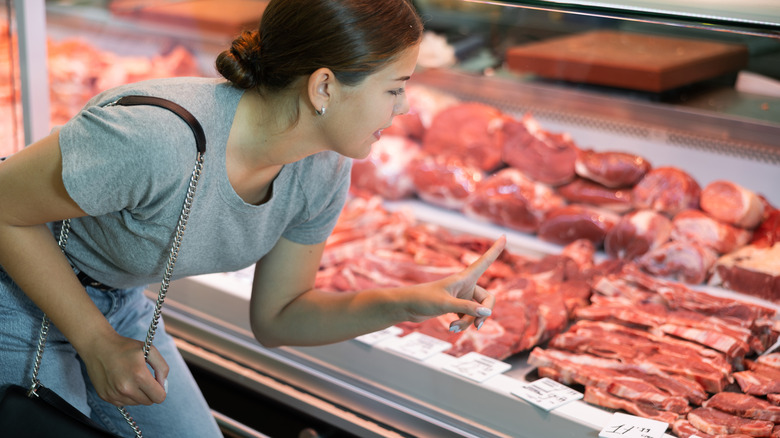
Sizzle steak is rising in popularity, but it's not as readily available as other more common cuts of steak. If you're looking to add it to your recipe repertoire, start by searching the meat department of your local grocery store. The name isn't standardized, so it might be labeled sizzle or sizzler steak, minute steak, or cube steak. If there's no sizzle steak in your store's meat section, check out your local butcher shops. You can ask the staff behind your store's meat counter for help. Even if it's not a cut they typically carry, they may be able to slice sirloin or round steaks thinly to create sizzle steaks.
You can also order sizzle steaks online from numerous companies and farms. Wanda Farms in Harvard, Illinois sells grass-fed, 6- to 10-ounce sizzler steaks online. UW Provisions offers sizzle steaks online and in their stores throughout the Midwest, while John Henry's Meats in Millington, Michigan, sells shaved sizzle steaks, perfect for stir-fries and sandwiches.
If you can't find sizzle steak, try these cuts
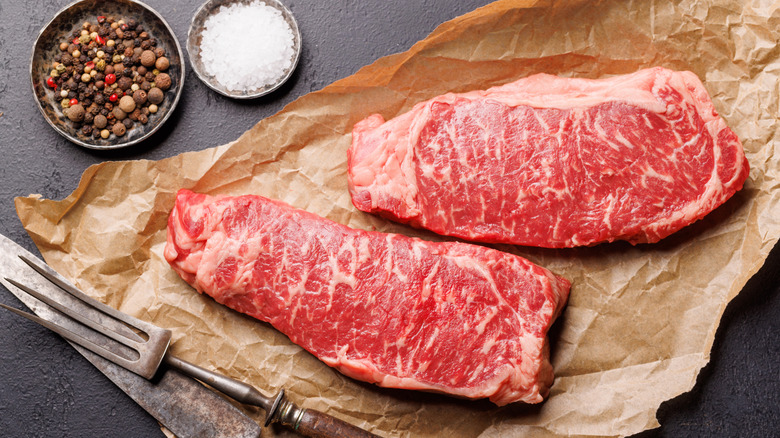
If you've fallen in love with sizzle steak and all it has to offer but have trouble finding it, you'll be happy to know you have plenty of alternatives. Since sizzle steak's claim to fame is its thin cut and quick cooking time, your best bet is to select another lean cut from the same part of the cow that can be similarly sliced and cooked. Eric Vacha recommends "any other cut out of the sirloin primal," which includes the tri-tip and the sirloin bavette.
"Look for sirloin or chuck at the store and ask your butcher to thinly slice for you, or you can do it yourself at home," says Dagan Lynn. According to Raul Gutierrez, "Thinly-sliced top sirloin, round steak or chuck steak are all good substitutes." Matt Riordan, meanwhile, says that, "sirloin tips or even a very thinly sliced top round can also work well if they are sliced properly against the grain to ensure tenderness."
If you're looking to replace sizzle steak in dishes like sandwiches, fajitas, or stir-fries, Gavin Pinto asserts shaved steak is the closest substitute. "Flank steak, skirt steak, sirloin, or flat iron steak can also be sliced thinly against the grain to create a similar texture and eating experience," he says.