

How To Repurpose Leftover Watermelon Seeds To Grow Plants In Your Garden
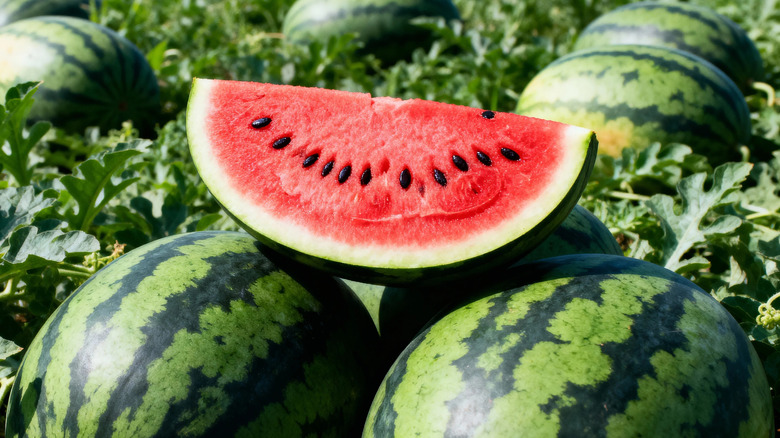
The satisfaction of growing your own food and turning it into a delectable meal is unmatched, but no one wants to spend a small fortune buying seeds and saplings for their garden. Luckily, there are many fruits and vegetables that you can easily grow from the leftover bits that no one likes to eat, such as the pits from cherries or peaches, and the seeds from apples or even watermelons. If you've got a picky eater in the group, or you're looking to meaningfully repurpose those leftover watermelon seeds, why not turn them into a never-ending supply of the red fruit that you can harvest right from your own backyard?
To begin, ensure that your watermelon is fully mature, since immature seeds won't sprout. This should be relatively easy to determine because the watermelons that you buy at the store are typically ready to eat. Pluck the seeds from the fruit and stick them in a container of water for 1 to 2 days to allow any attached pulp to float away. This process, known as fermentation, will remove any unwanted membranes and give your seedlings the best chance at germination. Keep in mind, you'll only want to opt for the black seeds, as there is a crucial difference between white and black watermelon seeds. Once the seeds are free of pith and pulp, they're either ready to be planted or preserved.
Making use of repurposed watermelon seeds
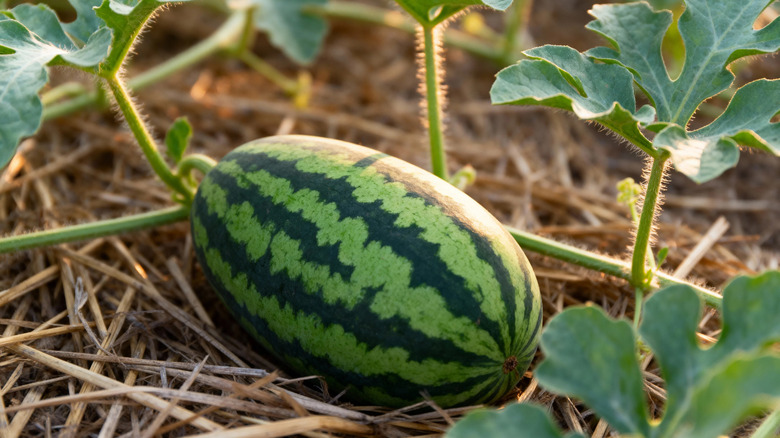
Before waiting for the watermelon seeds to sprout, it's best to toss out any misshapen or discolored seeds, and use a method known as the float test for a more successful yield. To complete this test, fill a container with clean water, add your seeds, shake, and observe which rise to the top. The floaters are no good, but the ones that sink are keepers.
Other tips for better growth include paying attention to your specific USDA Hardiness Zone and soil quality; watermelons tend to thrive in warmer areas with rich and well-draining soils, plenty of sunlight, and careful watering at the base of the plant. Consider also the size of potential growing containers, the direction in which you place the seeds in the soil (pointy end down is best for melons), and the particulars of when watermelon season begins and ends. There could be several explanations if the seeds don't grow as expected, but the motivation is knowing that, with some know-how, it is indeed possible to grow a garden from grocery store produce seeds.
If you're not ready to plant leftover watermelon seeds, you can dry them out for later. You'll want to follow the same steps from earlier, but instead of plopping the seeds into soil, spread them out on a paper towel and place them away from direct sunlight somewhere ventilated. After flipping the seeds every day for 1 to 2 weeks, they should be dehydrated enough for storage in an airtight container. Once you're ready to plant the watermelon seeds, try soaking them in fresh water overnight prior to planting for a better chance of germination.