

9 Rosés That Make Sangria 10x Better
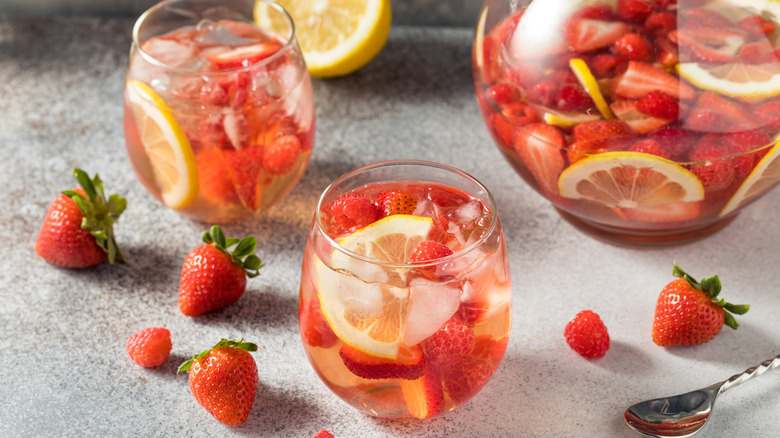
It's hard not to love a well-made sangria. The combination of wine, spirits, fruit, and something fizzy is endlessly customizable, offering a delicious balance when you're not sure if you're in the mood for wine or a cocktail. Served chilled, it provides the perfect accompaniment to a warm summer day. While classic versions tend to be made with a red wine recipe or white wine recipe, rosé is an excellent option when you're looking for something bright that leans into more red fruit and stone fruit aromas.
That said, some rosés are better for the job than others, boasting qualities that continue to stand out with the addition of other ingredients. Options with more structure and a juicy character tend to work more harmoniously with liqueurs, carbonated elements, and mixed fruit than those that are more delicate and subdued. To guide your bottle selection the next time you're making sangria, we spoke to some beverage experts to get the scoop. Whether you're looking to spend a little or a little more, these options will set you up for sangria success.
LaOsa - Trasto Rosado
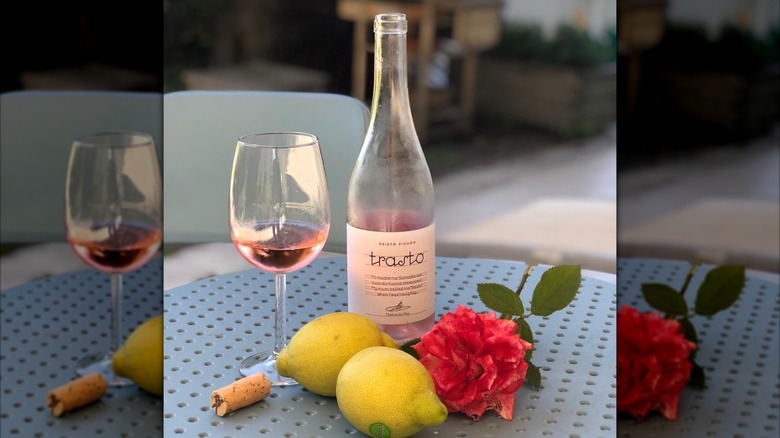
Lisa Komara, Beverage Director of Blackfoot Hospitality Group in NYC, is a big fan of using Spanish rosé wines when making sangria, sticking with the drink's country of origin. "They tend to be a juicier style while still being dry," she explains. Many typical Spanish rosados are made with garnacha, which is among the top three most planted varieties in the country. However, plenty of other options make stellar contenders for rosé, notably the prieto picudo grape, according to Komara. While it's not especially well known and has only grown across a few thousand hectares in the country, it's a favorite among those who try it.
Komara's favorite bottle is LaOsa Trasto Rosado from DO Tierra de Leon (where prieto picudo is primarily grown). "It smells of strawberries and fresh watermelon and tastes of juicy raspberry, cherry, and pomegranate," she describes, noting that it's an excellent way to infuse a mix of summery fruit flavors that take your sangria up a notch. Hints of pink grapefruit, watermelon, and jasmine add complexity to the refreshing palate. The wine is made with hand-harvested fruit from dry-farmed organic vines that are destemmed and fermented with native yeasts in stainless steel tanks. It sees minimal intervention and just a few hours of contact on the skin to infuse the juice with a bold color.
Gérard Bertrand - Côte Des Roses
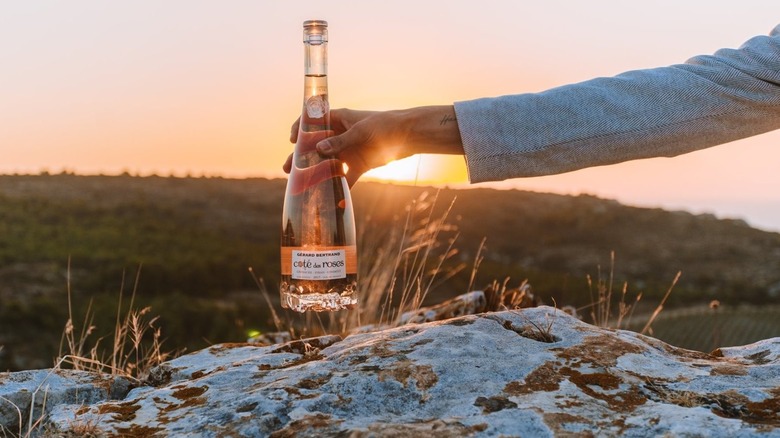
This iconic Provençal rosé comes in a recognizable bottle with an elongated neck and a sculpted rose at its base. The popular bottle is a favorite among many fans of southern French rosé, and according to Liz Martinez, General Manager and Sommelier at Centrolina in Washington DC, it's also a great choice when looking to scale up the quality of your rosé. "I like something that has a nice punch of fruit and florality in a lower price range," she explains, which, with a retail price of around $15, fits into that category. Nevertheless, Martinez adds, "the basic harmony in a wine is still very important," and Côte des Roses remains a well-regarded bottle from Languedoc, France.
She's especially a fan of this choice for its grenache-dominant profile, which she notes brings plenty of fruity, juicy, and fresh notes that work well as a foundation for sangria. "Also understanding that there will be other components involved, and having the ability to stand up to those is very important," Martinez notes. Dale Dcruz, Director of Food and Beverage at Grand Hyatt Grand Cayman Resort & Spa, describes it as a reliable budget-friendly choice for sangria. "It has juicy berry fruit, crisp acidity, and enough personality to still show through once mixed into sangria," he describes. With notes of red fruit, black currant, rose, and citrus, it enhances commonly featured sangria ingredients like berries, citrus, and orange liqueur.
Lucien Albrecht - Crémant d'Alsace Rosé
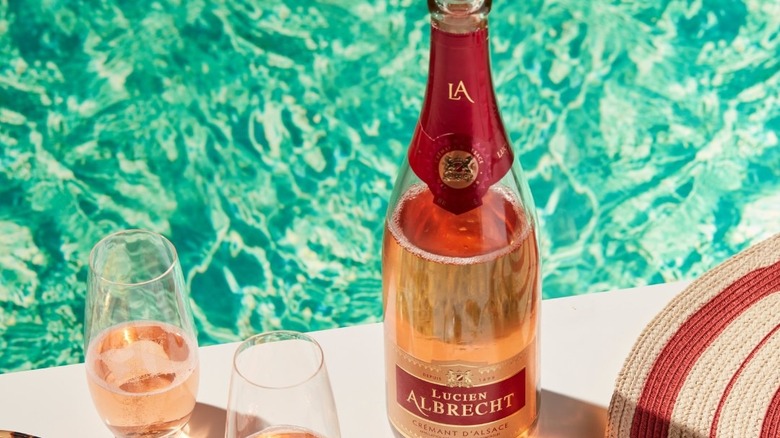
Piero Zelli, Director of Food and Beverage at Hotel Californian in Santa Barbara, California, shares, "The best rosés for sangria are bright, fruit-forward, and high in acidity." There are plenty of options that fit this description, including many sparkling rosés. Since sangria recipes commonly include a carbonated component like soda water, swapping it for sparkling wine is an elevated alternative that will make your sangria infinitely better. Zelli recommends Lucien Albrecht Crémant d'Alsace Rosé as an affordable option that will enhance the texture of your sangria.
The wine is made with 100% pinot noir grapes from Alsace, France, that are hand-harvested and gently pressed, resulting in a delicate salmon hue. The secondary fermentation follows the traditional method, with 14 to 16 months of lees aging to give it a more complex character. Bright red fruit aromas of strawberry, cherry, red currant, and rhubarb linger in the glass, along with citrusy hints that add brightness. The dry palate makes it a balanced option to pair with sweet sangria components, resulting in a harmonious experience. Just keep in mind to add the sparkling wine right before serving to ensure the effervescence remains intact.
Long Shadows - Julia's Dazzle Rosé
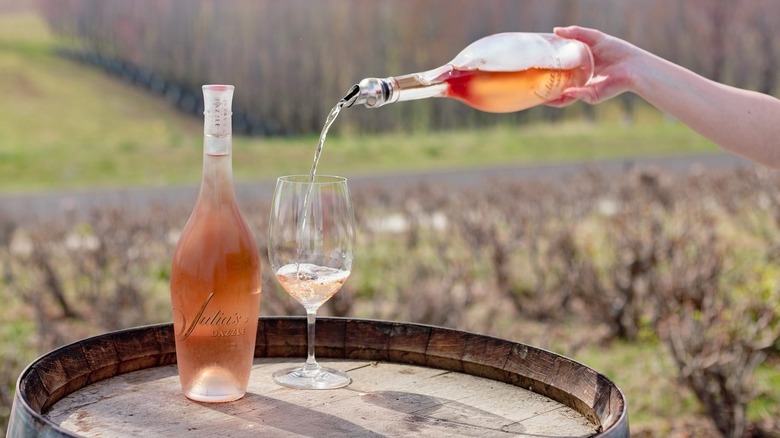
When he's in the mood for a rosé that's a bit more premium, Piero Zelli opts for Julia's Dazzle Rosé from Long Shadows in Washington's Columbia Valley. "I prefer something with structure and complexity that can still hold up to fresh fruit additions," he describes about this selection. The wine is made with pinot gris that stayed on the vine a little longer than usual, imbuing this pink-skinned grape with a deeper color. The fruit was gently pressed and fermented at cool temperatures to preserve the bright aromas.
Notes of orange blossom, strawberry, peach, guava, and melon are present on the palate, infusing each sip with a multitude of flavors that work well in sangria. Paired with orange liqueur and fresh fruits, it's sure to be a hit. This rosé boasts a notable acidity, which helps it stand out alongside the other ingredients in the drink, while keeping it bright and refreshing — a major selling point for sangria considering its ubiquity in the hot summer months.
Domaines Ott - Château de Selle Rosé
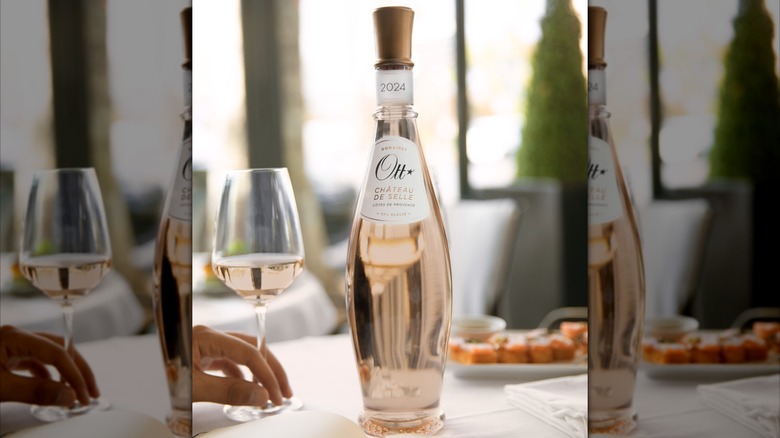
While a cheap and easy sangria is perfect for many occasions, when Dale Dcruz is looking to upgrade his sangria, Domaines Ott Château de Selle Rosé is one of his favorite choices. He describes it as having an "elegant texture, minerality, and layered fruit that create a more refined, less sugary style of sangria." Produced in the Côtes de Provence AOC in southern France, it offers a balance of structure, texture, and refined aromas that make it an all-around winner and a sophisticated choice to enhance your sangria recipe. "Rosés from southern France, especially Provence, create a lighter, more elegant style," Dcruz describes, so he recommends reaching for this bottle if you're looking for a sangria that reflects these qualities.
The wine is predominantly made with grenache, along with cinsault, syrah, and mourvèdre to create harmony. Notes of white peach, white flowers, and citrus are present on the palate, making this a suitable choice for a delicate and fresh style of sangria. The palate is bright with a balanced acidity, which Dcruz notes is a key element he looks for when choosing wine for sangria. "Structure matters too; you want enough acidity to stay refreshing once juice, fruit, or sweeteners are added," he explains.
Château d'Esclans - Whispering Angel
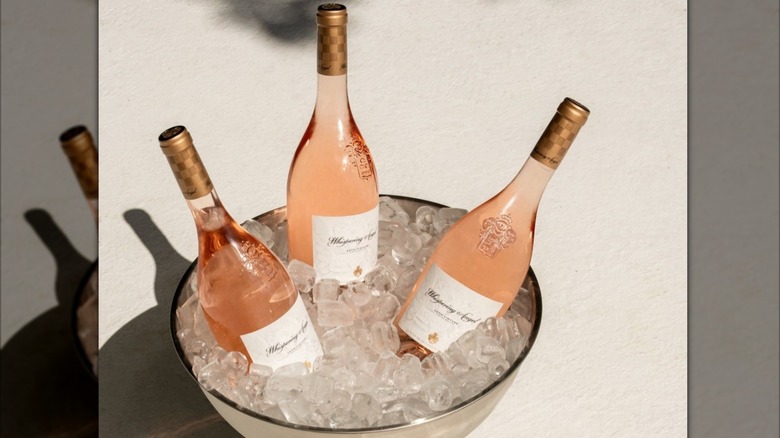
Another option Dale Dcruz reaches for when making an elevated sangria is Whispering Angel by Château d'Esclans. Although it's considered a premium bottle, you'll have no trouble tracking it down, as it continues to be the best-selling Provence rosé in North America since its introduction two decades ago. The wine is made with classic Provence grapes: grenache, cinsault, vermentino, and syrah, fermented in stainless steel tanks for freshness. A few months of lees aging on the spent yeast cells adds a creamy texture to the palate.
The result is richly aromatic, smooth, and pleasantly crisp. Notes of cherry, raspberry, strawberry, and citrus are present, along with hints of flowers and fresh herbs. Ripe aromas add body and nuance to the glass, making this a rounded option for sangria. With an ABV of 13%, Dcruz points out that this helps ensure the final drink remains balanced, once liquor and other components are added. When it comes to the other ingredients, Dcruz recommends keeping them in check to avoid overwhelming the flavors. "With higher-end rosé, I'd keep the recipe restrained, fresh citrus, stone fruit, herbs, and minimal added sugar, so the wine remains the focal point," he notes.
Quadrum - Rosé
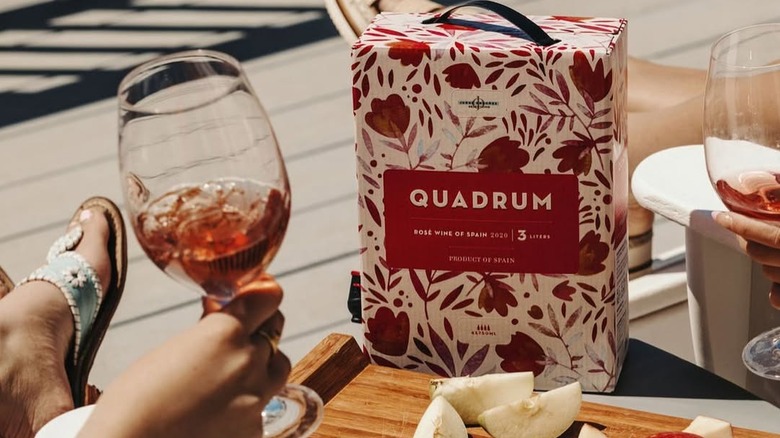
Joey Mar, Assistant General Manager at Picala, a new Spanish restaurant in Los Angeles, thinks Spanish wines should be used when making sangria. "Sangria is one of Spain's most iconic and oldest culinary contributions to the world," he shares, and consequently, believes the foundational component should reflect the drink's origins. He likes to use a wine with a blend of 50% tempranillo and 50% garnacha, which offers a nice balance of acidity and fruit. "Quadrum Rose is a great option if one is looking to do a large batch of Sangria for a party or gathering," he recommends.
The wine is sold as a bag in a box, meaning it comes in a 3-liter container, making it an excellent choice if you're serving a crowd. It consists of equal parts tempranillo and garnacha grown in the La Mancha region of Spain. The fruit is sustainably farmed and hand-harvested, with the skins sitting in contact with the juices for 8 hours to imbue color and subtle tannin. Ripe red fruit is present on the palate, along with hints of spice and a crisp acidity. Mar recommends incorporating it into a sangria recipe featuring citrus, stone fruit, and herbs like mint or thyme.
Muga - Rosado
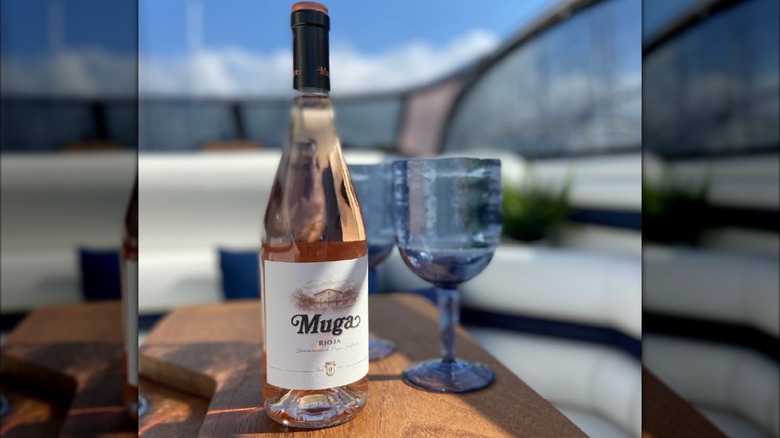
When Joey Mar is seeking a drier base for sangria, he reaches for Muga Rosado, a blend of old-vine garnacha and viura grapes grown in two regions, along with a small amount of tempranillo. The terroirs of the red and white varieties are distinct, resulting in a balance of freshness, structure, and complexity. The skins are left in contact with the juice for five hours before fermentation at cool temperatures, after which the wine remains in contact with the lees to develop a smoother texture.
The result is a wine that boasts a bright aromatic profile with notes of stone fruit, citrus, and white flowers. Hints of strawberries and cream dance on the palate as well, making this a well-rounded choice to elevate your sangria. Mar suggests pairing it with ingredients like grapefruit, mint, and basil to infuse complementary elements into the beverage. "Understanding the varietal's flavor profile is the first step in pairing fruit for a sangria," he explains.
Ruby Blanca - Nero D'Avola Rosato
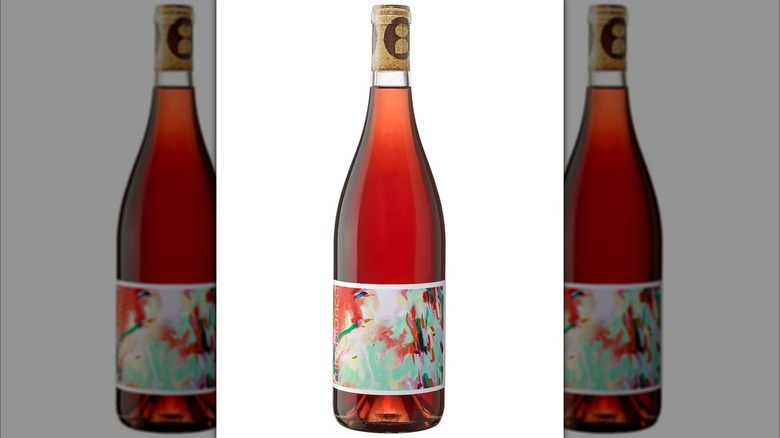
Mara Herbkersman, Co-Owner and Beverage Director of Amiguita in Silver Lake, Los Angeles, recommends Ruby Blanca's Nero D'Avola Rosato when it comes to a rosé that will enhance your sangria. "Honestly, this is too good to be mixing for sangria, but the bright, juicy vibes are just so perfect for a summer sangria," she describes about this natural, organic wine from Lodi, California. Nero d'Avola originates in Sicily, and winemaker Sabrina Tamayo developed a soft spot for it from years of working in Italian restaurants.
The wine boasts a deep color that reflects its bold, vibrant nature. It features notes of dark cherry, ripe berry, rhubarb, herbs, and citrus, finishing with a crisp, dry palate. "Half of the fun of sangria is munching on the boozy-soaked fruit at the bottom of the glass," Herbkersman shares, and this rosato is sure to stand out in the mix with its bright character. Herbkersman recommends pairing it with blackberries and blood oranges to emphasize the berry and citrus aromas.