

The Food Expiration Date Myth People Need To Stop Believing
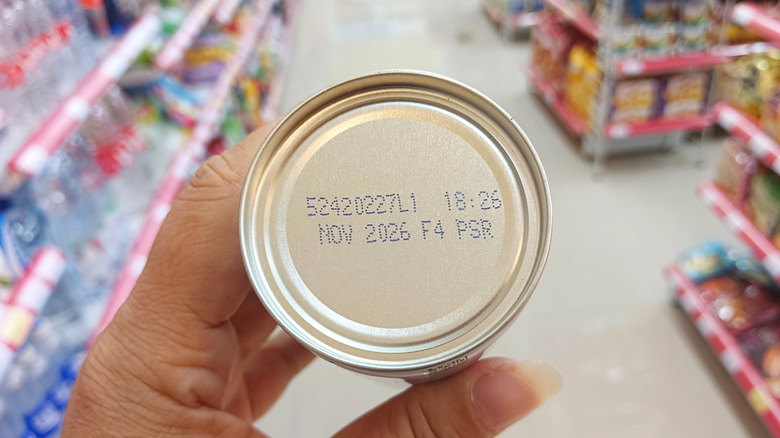
If you've ever cleared out your kitchen and tossed food based solely on the expiration date, we have bad news. You've probably thrown away perfect safe and edible food — and you're not alone. Thanks to a misguided understanding of how expiration dating works, people regularly toss food they could eat, which has led to a major waste of money and an increase in food waste. In fact, according to a 2013 study on the correlation between expiration dates and food waste, the numbers are staggering. At the time of the study, unnecessary food loss cost the average American family $2,275 annually and wasted more than 25 percent of all the fresh water in the United States.
Instead, rather than go by date, there are better ways to assess the older items in your fridge and pantry. Visible signs of mold, strange odors, and odd textures are all surefire signs you should toss something. Tears or perforations in packaging you haven't opened also might mean it's a good idea to play it safe, and it also helps to have a general understanding of how long common food items last. For example, regardless of the date on the label, milk is unlikely to last more than a week, while rice and dried pasta can be good for years. But even with this knowledge, it's useful to understand why we have expiration dates in the first place — including who puts them there and why.
Expiration dates are not regulated by the government
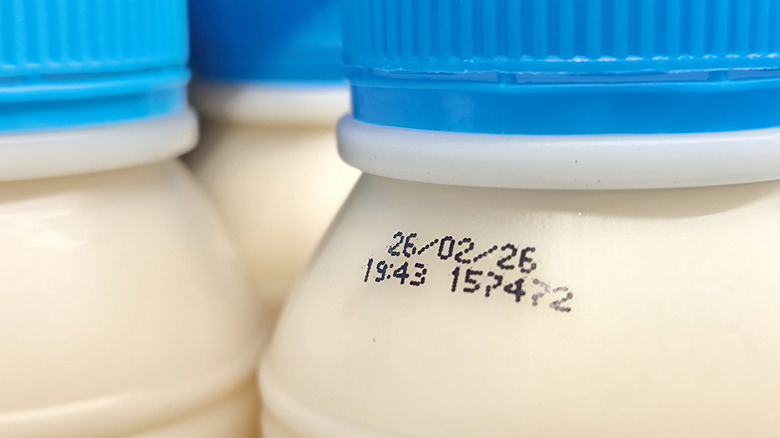
The biggest misconception is that food expiration dates are required by and regulated by the government, but this is false. In reality, the U.S. Food and Drug Administration (FDA), doesn't include dating information in their labeling guide. On the other hand, the U.S. Department of Agriculture's Food Safety and Inspection Service (FSIS) has some language around food dating, but they call for a production date, which is different from a "sell by" or "best by" date. This labeling is considered voluntary, and while the FSIS has guidelines around misleading or untruthful dates, they don't oversee any actual dating practices.
Lore suggests the practice might date back to the prohibition era, when notorious mobster Al Capone led a campaign for clearer labels after his niece fell ill from expired milk. This ultimately may have led to dates on processed food in the 1970s, but even today, the dates we see are considered rough estimates by farmers and producers. The U.S. Department of Agriculture has even encouraged a change in language from "sell-by" to "use-by" to "best if used by" in an effort to cut back on food waste. Rather than see expirations labels as the official expiration date, it's important to know that these estimates are usually quite conservative, which is why it's always best to assess the item yourself.