

It's True: Grocery Store Strawberries Aren't As Sweet As They Used To Be
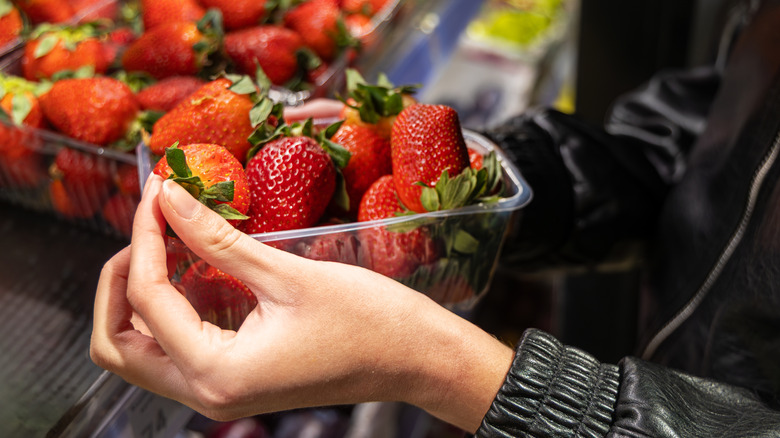
You'll often hear people claim that certain foods used to taste better. While you could write it off as wistful nostalgia, there can be a fair amount of truth behind this perspective. Take chocolate, for example — it's no secret that some candy makers have been substituting real cacao butter with palm oil and milk solids, resulting in a noticeable drop in quality. And if you're someone who thinks that store-bought strawberries taste blander these days, well, you're not wrong.
The shift began around the middle of the 20th century, as refrigerated transport and improved post-war infrastructure made it possible for supermarkets to expand their supply chains and offer seasonal produce year-round. To meet this demand and scale up for national distribution, strawberry growers had to adapt. Flavor was no longer the top priority — the fruit needed to appear plump and visually appealing, it had to be able to hold up during transport, and the shelf-life had to be long enough for retail shoppers. Unfortunately, the sweetest strawberry varieties didn't meet these requirements, so they fell out of favor as breeding programs focused on other qualities.
Ultimately, we've traded flavor for efficiency and availability. You can now buy vibrant, juicy-looking strawberries any time of the year, even if they're not a locally grown fruit, but don't expect the intensity of older, seasonal varieties.
Early harvesting and cold storage strip away the flavor of strawberries
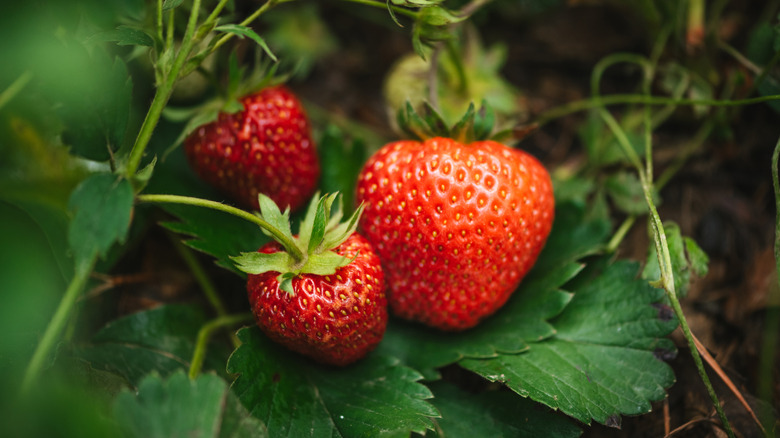
While selective breeding has impacted the flavor of modern strawberries, it's only part of the story. The way the fruit is harvested and handled after picking is also a considerable factor in how it tastes. Some fruits continue to ripen after picking, but this isn't the case for strawberries. They may change color, but they won't get sweeter once they're off the plant. You'd think the answer would be to harvest strawberries when they're at their ripest, but by this stage, they're too fragile and spoilage-prone for large-scale distribution. This is why strawberries are typically picked and shipped before they've had the chance to reach their full flavor potential.
Another issue is the way strawberries are stored for transportation. A refrigerated cold chain is crucial to stop fruit from going off before it reaches its destination, particularly if it's traveling a long way or being exported overseas. The drawback is that cold temperatures are known to suppress aromatic compounds, which play an important role in how we perceive sweetness. So even if the strawberries contain a reasonable amount of sugar, it's harder to detect and the fruit can taste slightly flat.
By the time strawberries reach your local supermarket, they're often the product of durability- and aesthetics-first breeding, early harvesting, and extended cold storage. This is why store-bought strawberries taste so different to wild strawberries and taste less sweet and vibrant than they used to, despite looking perfect on the outside.