

It's Time To Stop Believing This Myth About Farm-Raised Fish
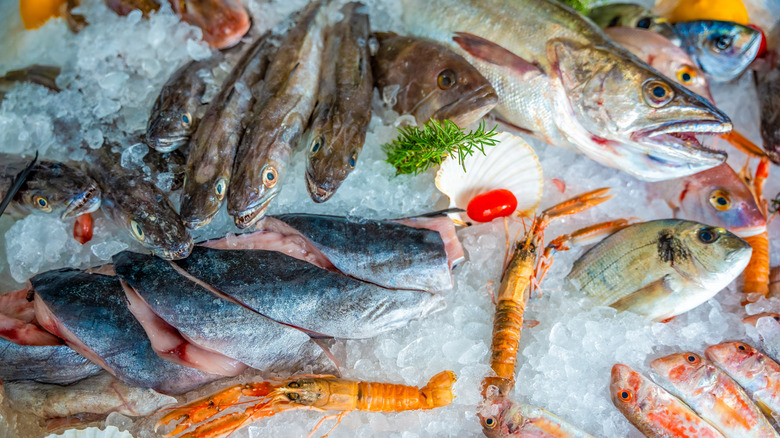
Whether we are talking about the packaging at the seafood counter or the message boards across the internet, wild-caught fish are generally presented as the better seafood product. If there isn't a sticker on the package, there is likely to be a statement in bold letters above the price tag, a declaration that this fish was harvested in the wild. When it comes to farmed fish, on the other hand, the origins are sometimes swept under the rug. Stores know that the term "wild caught" brings to mind beliefs about the superior quality, nutritional value, and sustainability of the product. But while it is an effective strategy, the truth here doesn't really line up with consumer opinion.
The debate between farmed and wild-caught fish is actually quite nuanced. In reality, neither category necessarily takes the crown as a superior product. Admittedly, there are some undoubtedly bad aquaculture operations out there. Poor management can lead to issues like disease among the stock and damage to the surrounding environment. But while this type of fish farm has gotten a lot of press over the years, it is not representative of aquaculture on the whole.
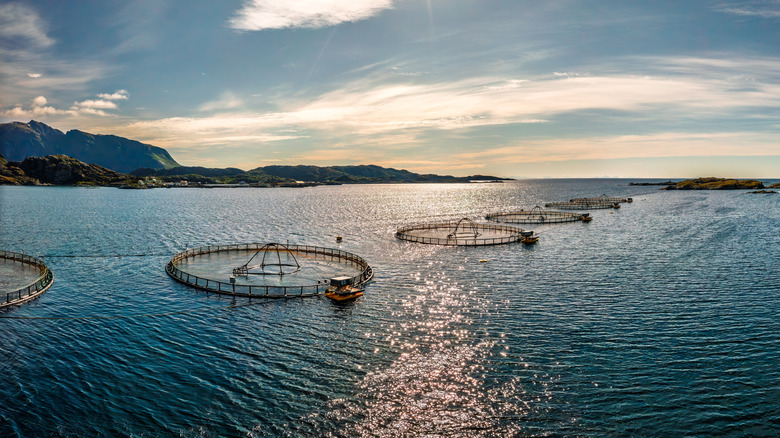
When handled responsibly, aquaculture operations can be a safe and sustainable way to produce high-quality seafood while minimizing impacts on the environment. Although wild-caught fish may still have an easier time catching the consumer eye, the more you know about farmed fish, the more you'll realize that it belongs on your shopping list. And we're not just talking about the price.
Differences between wild-caught and farm-raised fish
In general, fish offers healthy levels of protein. It is rich in minerals, and the fatty acids present particularly in oily fish can help reduce inflammation, manage cholesterol, and keep your heart healthy. While the general belief may be that wild-caught fish will be healthier across the board, this really isn't true. There are nutritional differences, sure, but farmed fish comes out on top in some respects.
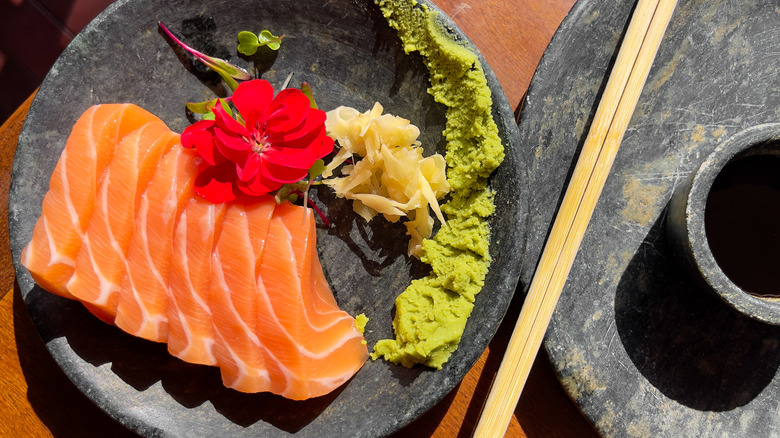
Salmon is one of the most widely farmed fish in the world, with around 3 million tons farmed each year. According to Statista, that accounts for around 70% of the total global haul. While analysis of farmed salmon versus wild-caught typically shows slightly higher levels of nutrients in the wild fish, the advantage is reversed for both protein content and fatty acids. Farmed salmon has a slightly higher quantity of protein per serving, as well as increased levels of Omega 3 and Omega 6 fatty acids. Additionally, farmed salmon is a better choice for sushi than wild-caught varieties due to the reduced risk of parasites from fish with a controlled feed supply.
Switching gears to tilapia, another widely farmed fish, we are again faced with a set of trade-offs. Analysis of wild and farmed tilapia has shown that the wild fish can be higher in heavy metals than the farmed alternative. Thanks to the vegetarian diet of this fish, when raised responsibly, they can be a very sustainable source of protein — the FDA even calls it one of the best fish to eat. Of course, tilapia is also sometimes farmed in questionable environments that can lead to issues like bacterial risk, which is why it is important to do a little research before buying farm-raised seafood.
What to consider when buying farmed fish
There are a lot of factors to think about when buying farmed fish. The quality is obviously paramount, but so too are the farming practices used. Good, healthy farm-raised fish produced with minimal environmental impacts are out there, if you know where to look. Fortunately, you don't have to do all the research yourself. There are organizations dedicated to making sure that consumers can easily pick the best, most sustainable seafood options at the store.
When it comes to aquaculture practices, the simplest thing to do is look for badges from organizations like Aquaculture Stewardship Council (ASC) and Best Aquaculture Practices (BAP). Both analyze the impacts of aquaculture operations to ensure that they follow best practices and minimize impacts on the environment. In addition to the obvious areas of inspection, like water quality and pollution from farming, this also includes monitoring everything from the fish hatcheries to the feed used, and even the plants where the fish are processed.
Regardless of how it arrives on your plate, seafood tends to be on the more sustainable end of the spectrum for proteins. Looking at farmed salmon versus wild-caught, the difference in carbon output is quite minimal, with wild-caught narrowly better. Compared to beef, however, salmon offers higher carbon savings of about 86-92%. Environmental impact is about more than just carbon, however, and one of the best tools out there for quick advice about the best sustainable seafood to buy and eat is the Monterey Bay Aquarium's Seafood Watch. Using these tools and certifications, it is easy to leave behind all of the negative myths about farm-raised fish and fill your plate with the best healthy and sustainable seafood choices.