

A Bartender Says Cocktail Prices Don't Always Tell The Full Story
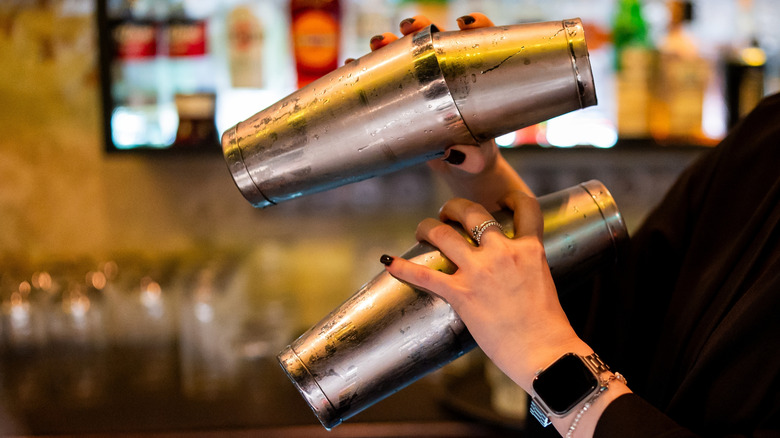
We get it: Shelling out $15 for a cocktail is the pits. After ordering a second round, "a fun night out" can start to feel financially stressful. It's no secret that leisure prices are sky-high in modern America — and it's also no secret that (current economic backdrop notwithstanding) craft cocktails always cost more than simply cracking open a can of beer. Asking your bartender to shake, strain, and pour a beverage requires not just their professional expertise and extra labor, but also the cost of the ingredients. More goes into the menu prices at your local cocktail bar than meets the eye.
According to Cody Nicoll, cocktail prices don't always tell the full story. Nicoll is an Ottawa-based sommelier and mixologist who is a managing partner of Ember Live Fire Grill, co-owner of Bar Ocelli, and the owner of Hospitable Nicoll. He sat down with Tasting Table to let us in on a little industry insider knowledge — namely, how discerning imbibers can be sure they're getting what they pay for when they choose to splurge on drinks out.
"For me personally, the value is always in the ingredient," Nicoll tells us. "I most often notice cocktail menus that feature high prices for drinks made with lower-quality ingredients." For instance, if the costliest offering on a cocktail menu is a gargantuan frozen daiquiri, there's a sporting chance that it'll be made with artificial sour mix or other lower-quality ingredients (aka it's overpriced).
Higher-quality ingredients are worth the splurge, so don't be afraid to ask questions
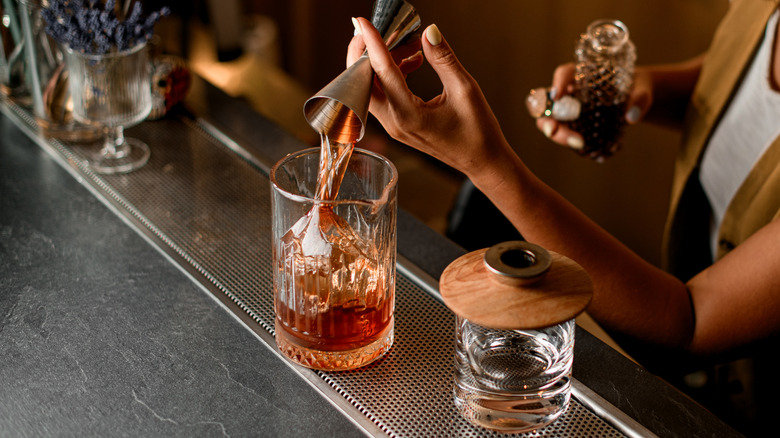
Conversely, there are some instances in which a costly-seeming cocktail is worth every penny. "If I see a twist on a classic or modern classic cocktail using quality ingredients at a fair price, I will always lean in that direction," says Nicoll. "Examples might include the type of vermouth used or spirits that are 100% authentic without any added coloring or flavoring agents." A higher asking price might also indicate house-made cocktail ingredients that require extra hands-on prep work to assemble, such as a celery root shrub or a black-tea-infused simple syrup.
In general, it's a solid rule of the road to let professionals do their jobs. In the cocktail sphere, that means trusting your bartenders to set fair prices based on current industry standards. Often, the person assembling your drink is not the same person who set the menu prices, anyway (so resist the urge to spark up any "why is this drink so expensive?" harassment. Chances are, they're powerless to change it). Alternatively, if you have a question about how a drink is made, don't be afraid to ask. "The details here are always in the fine print, and a proper bartender's responsibility [is] to educate the guest on what is good quality versus not," says Nicoll. Knowledge is power, and knowing that your beverage is made from higher-quality ingredients can help budget-conscious sippers feel good about their order. Or, on the flip side, learning that a certain pricey cocktail is made from well tequila and canned pineapple juice can help patrons make a more informed decision (i.e., order something else).