

6 Wines From Southern France You Should Know About
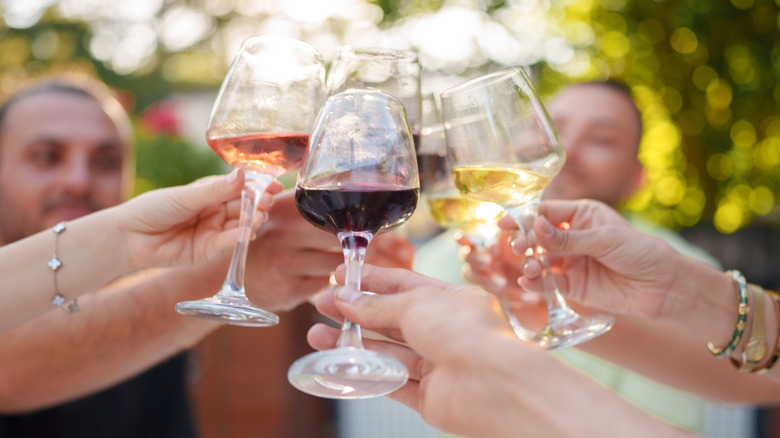
Buying and ordering wine can be intimidating, doubly so when it's French wine. On a recent trip with Viking Cruises up the Rhone river, I was lucky enough to try bottles from all over the area and get a crash course on all things wine from the south of France.
The first thing to know is that there are seven wine regions in the south of France: Rhone, Languedoc-Roussillon, Provence, Corse, Bordeaux, Beaujolais, and Sud Ouest (or South West). Each has its own specific styles that make the region's wines unique, based not only on the grapes used and the aging methods, but also the soil, climate, and other factors, which are on the whole called terroir. From there, each vintner has their own proprietary strain of yeast they ferment the juice with, which is one of the ways wineries stand out from one another.
Over the course of my travels, I tasted over two dozen unique bottles from an equal number of wineries across the south of France. I also spoke to sommeliers and wine experts across both France and the U.S. to learn about their favorite varieties and what makes them standouts for the region. Out of everything I sipped and savored, plus those expert picks, these are the top wines you need to give a try.
White Bordeaux
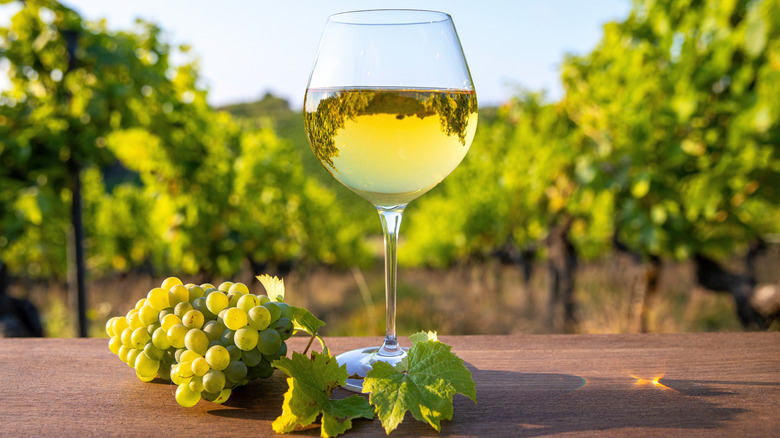
You are likely familiar with reds from Bordeaux, but sommelier and maître d'hôtel Peter Nikolav shared that white Bordeaux is his top pick for Southern France wines people living in the U.S. should know but are unfamiliar with. This blended wine is from the Bordeaux region (naturally) and is grown on the right bank of the Garonne river.
With white Bordeaux, you can expect a fresh, grassy aroma. The taste is crisp, citrusy, and dry. One unique thing about this wine is that the grapes must be handpicked.
Chateauneuf-du-Pape
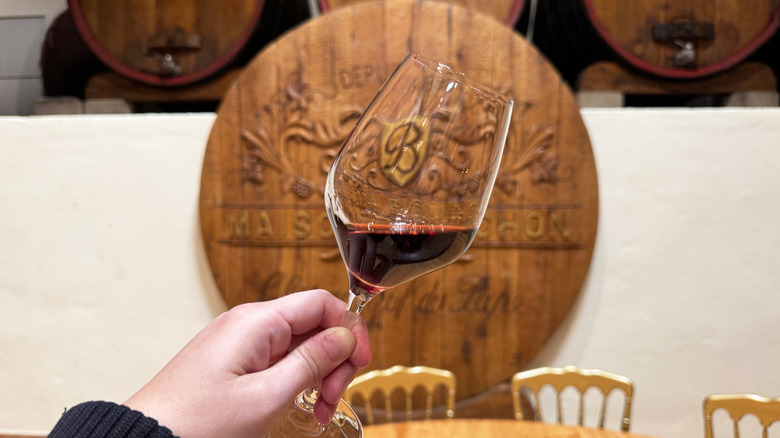
One of the more nerdy wines on our list, Chateauneuf-du-Pape comes in both white and red varieties; sadly, France does not export the whites outside of the country (cue many jokes about keeping the best for themselves), so the red is what we'll focus on. A typical Chateauneuf-du-Pape has a jammy, musky scent. The tannin-rich flavor leans towards red fruits with some hints of baking spices.
Only 324 wineries are allowed to make Chateauneuf-du-Pape. Of those 324, only 80 make whites. The grapes must be picked by hand, and the vintners cannot water the vines to be certified by the Appellation d'Origine Contrôlée, or AOC.
Aix-en-Provence Rosé
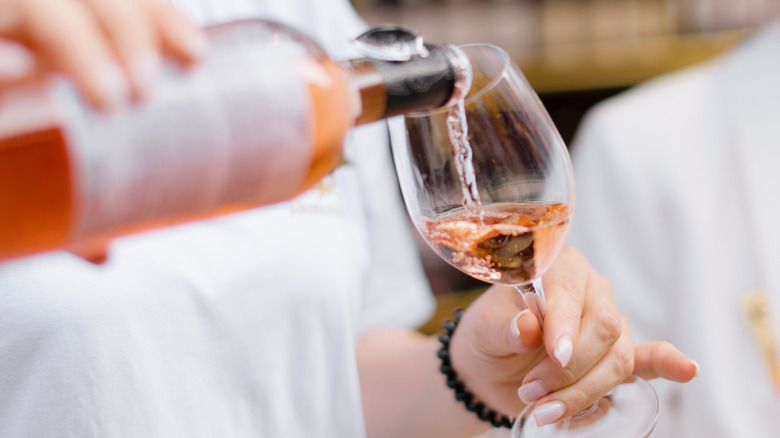
You are, of course, familiar with rosé wine, but Peter Nikolav says the best of the best is coming from the Aix region of Provence. You'll find very little sweetness in this glass, instead tasting a stellar dry, crisp, and clean flavor. The light-colored wine is super refreshing and perfect for a hot summer day.
The grapes blended to make Aix rosés grow well in the Mediterranean climate, thanks to tons of sun, frequent and strong winds which help pollinate the plants, and soil rich with limestone and clay.
Grenache from Gigondas
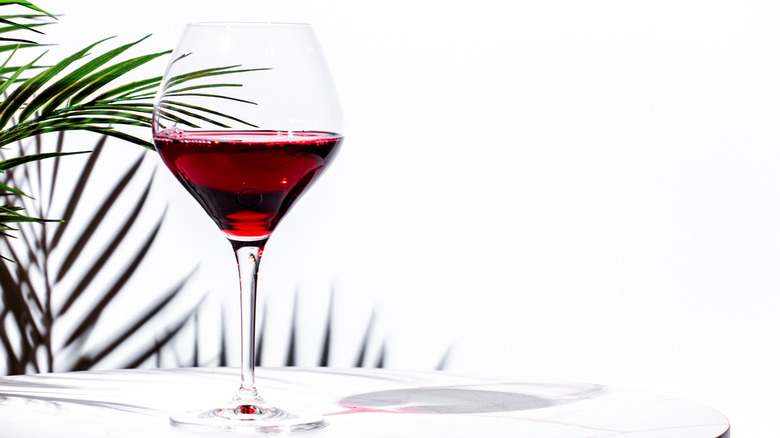
As with the rosé above, Peter Nikolav explains what matters most with many French wines is not the variety itself but where it was grown. Nestled in the Rhône valley, the Gigondas region is one of the only in the country allowed to produce 100% grenache wines — not blends. (Though you can and will find blends from this area.)
These deep garnet wines have a spicy taste, with notes of ripe black fruits. The well-balanced wine is velvety and smooth.
La Clape wines
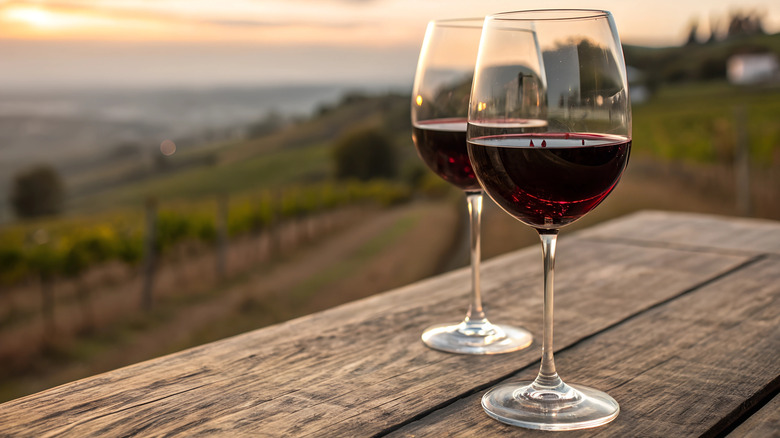
On the coast of the Languedoc-Roussillon region, la Clape produces blended reds and whites. Thanks to that bright sun, fierce wind, and low rainfall typical of the south of France, grapes in this region produce some fantastic wines.
The red wine has tasting notes of black currant, vanilla, and jam, with a velvety texture. The whites produced have a pronounced minerality.
Rosé from Tavel
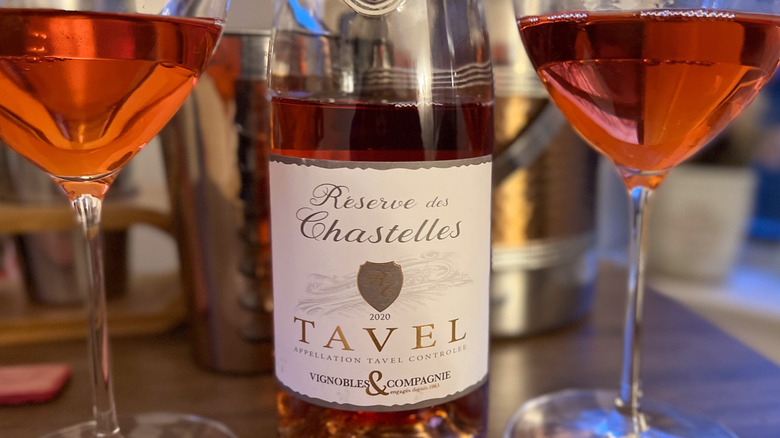
Sommelier and writer Lee Musho recommends checking out the rosés produced in Tavel. She shares that this is the first region in the country that was reserved for rosé production.
Thanks to a longer macerating time, these wines have a brighter, more saturated blush hue than those from Provence, similar to a blood orange or watermelon Jolly Rancher. They have fruit notes like watermelon and strawberry and are fantastic for summer. Musho recommends pairing Tavel rosés with foods like grilled salmon and watermelon feta salad.