

The Nutritional Value Of Coffee, According To Science

Looking up the health benefits of coffee is the ultimate proof of confirmation bias; if you search "will coffee destroy me or save my life?" you can easily find yes and no answers for both. Despite this, there is ever-mounting evidence that there's more good in your cup of joe than bad.
Let's consider pure black coffee and take a closer look at its baseline health benefits — excluding additions like dairy or sugar which bring their own array of macro and micronutrients, good and bad. Strictly speaking, the nutritional value of coffee is relatively low, as it contains almost no macronutrients — that's the big three: fat, protein, and carbs, and it provides only around 1-2 calories for every 100 ml of black coffee, according to a 2014 paper published by The Royal Society of Chemistry.
But that same study does show that coffee contains some levels of micronutrients, however. These are mostly essential minerals, with every 100 ml of coffee containing 92 mg of potassium, 8 mg of magnesium, and 0.7 mg of niacin (a B vitamin). For those who drink multiple cups a day, this can be a good way to contribute to their overall daily recommended intakes.
Caffeine is key
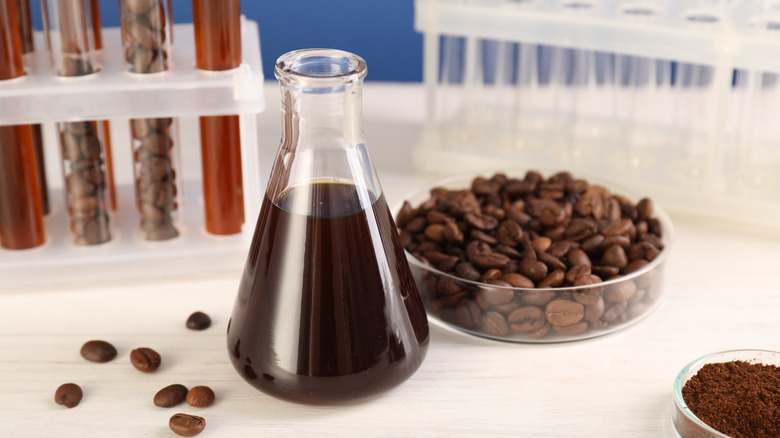
While the nutritients in coffee are relatively few, there are compounds and chemicals that make coffee beneficial to our health and wellbeing. Board-certified family medicine physician and collaborating physician at Mochi Health, Dr. Roberto Valledor in discussion with The Takeout, identifies caffeine as a key chemical to consider. "The general consensus is that you can safely consume up to 400 milligrams [of caffeine] a day, which is about the amount found in four 8-ounce cups of brewed coffee." Note, this number drops to a recommended limit of 200 mg for pregnant women. Valledor also recommends avoiding light roast coffee for those trying to curb their caffeine intake by the milligram, as "light roasts may have a bit more caffeine by volume because they're more dense, but overall there's not much of a difference."
Caffeine has been shown in a 2021 study published by the International Society of Sports Nutrition to improve performance in exercise, enhancing muscular endurance, strength, and in particular, aerobic endurance. Another paper published in 2024 in the Journal of Endocrinology reiterates evidence that coffee also boosts metabolism by 5% to 20%, meaning faster fat burning over a period of up to three hours. This has knock-on effects for heart health, and overall health and wellness throughout our lives. A 2026 study by JAMA showed how caffeine also has a similar ability to prevent cognitive decline and lower the risk of dementia, identifying moderate coffee consumption of around two-to-three cups daily to be most effective.
Antioxidants to the rescue

A common benefit associated with coffee consumption is the presence of antioxidants. While antioxidants are definitely beneficial, they're not technically nutritional components, but rather a chemical property of the substances we consume, according to Harvard Health Publishing. In brief, antioxidants are compounds that mitigate the negative effects of unstable molecules called free radicals, by neutralizing them before they disrupt the molecular composition of various parts of our cells, including DNA. In other words, antioxidants protect our cells from degradation and the ravages of inflammation.
Antioxidants in turn ward off chronic conditions like cardiovascular disease, obesity, and type 2 diabetes. Neurodegenerative conditions, such as Alzheimer's disease are also shown to be curbed through consumption of antioxidants such as those in coffee. Not only do antioxidants seem to be effective for brain health, but so are other components of coffee drinks, such as hydroxycinnamic acid derivatives, which also seem to help combat Parkinson's disease and Alzheimer's, as seen in a 2022 study published by the Biomedicines journal. These days, many are supplementing their normal daily cup by drinking coffee combined with mushrooms, which add to the antioxidants and nutrients already present in coffee, maximizing the benefits.
Static Media owns and operates Tasting Table and The Takeout.