

Crispy Vs Crunchy Food: What's The Difference, And How To Achieve Both Textures
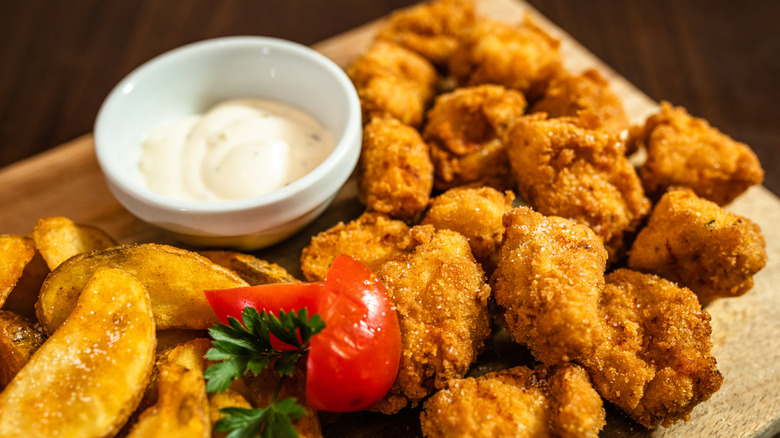
Part of making any dish tasty involves getting the right texture. Sometimes adding a textural contrast can bring all the other elements of a dish together into a perfect bite. Often this means including a delicate crispy accent. Or is it a crunchy addition that you need? Is there a difference? It turns out there very much is. Both crispiness and crunchiness offer a pleasant textural experience, but they achieve it in different ways, and each have unique characteristics.
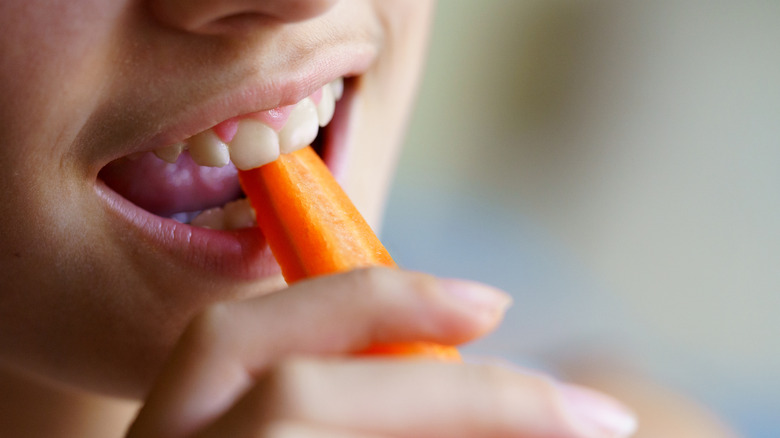
Tasting Table asked Chef John Politte, founder and host of "It's Only Food," about the difference between crispy and crunchy and how they relate to texture in food. "While both 'crispy' and 'crunchy' describe appealing textures, they differ in subtle ways. 'Crispy' refers to a light, delicate texture that breaks easily and often makes a sharp, audible sound when bitten into — think of potato chips or the outer layer of fried chicken," he explains. When it comes to crunchy, however, the chef honed in on the central qualities of the texture. According to Politte, crunchy "describes a firmer, denser texture that requires more force to bite through and produces a louder, more sustained sound — like carrots or granola." See for yourself with this crunchy homemade granola recipe.
"In summary, 'crispy' is typically thinner and more fragile, while 'crunchy' is thicker and more robust," Politte says. Some other examples of crispy foods he mentions include "spring roll wrappers, bacon (when cooked until just brittle), rice crackers, or thin-crust pizza." For crunchy foods, Politte also lists "celery stalks, almonds and other nuts, apples, or croutons."
How to achieve crispy or crunchy textures
Understanding the difference between crispy and crunchy is one thing, but making it happen is another. We asked the chef what we could do to achieve a crispy texture in a dish. "Remove excess moisture from foods before cooking — pat dry with a towel or allow to air dry," said Politte. This is especially important when breading and frying fish or chicken. "Use high heat for frying, baking, or roasting to quickly evaporate water and create a brittle surface," he added.
Additionally, Politte suggested, "Coat foods lightly with flour, cornstarch, or breadcrumbs to encourage crispiness." He also offered some tips for the cooking process itself. "Don't overcrowd the pan or baking sheet, which can cause steam and sogginess. Let fried or baked foods rest on a wire rack to keep air circulating and prevent moisture buildup." If you've ever fried something that turned out soggy and oily, rather than crispy, it was probably due to one of these issues.
Politte's tips for making a crunchy dish show how the two textures are fundamentally different. "Choose naturally dense foods (like raw vegetables or nuts) and avoid overcooking them. Roast or bake foods to intensify their firmness — nuts, seeds, and granola become crunchier after baking," he said. If you're roasting veggies and are trying to keep them crunchy, don't use parchment paper, either. It can slow the browning process, and also trap moisture so the veggies become steamed and softer.
Keeping an eye on moisture levels is also important for making food crunchy. "For baked goods, use less moisture in the dough or batter to create a denser, crunchier bite," Politte said. "Store crunchy foods in airtight containers to maintain their texture and prevent softening," he shared, adding, "Cool baked items completely before storing them to keep their crunch."