

This Dessert Is A Must-Try In Florida (And We're Not Talking Key Lime Pie)
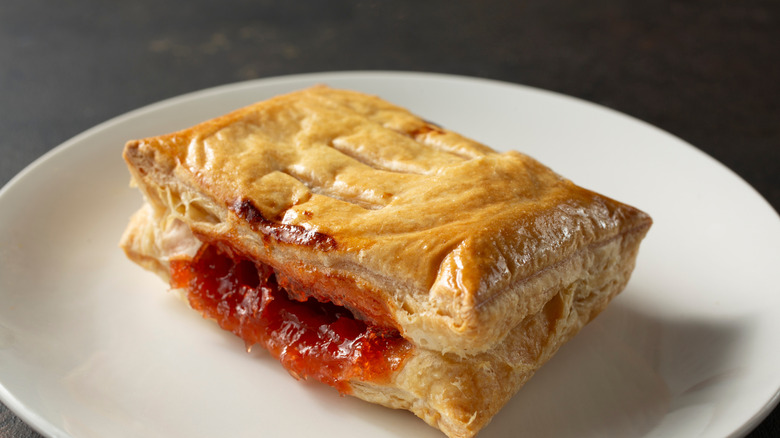
There are plenty of iconic Florida foods you need to try, and we promise it's more than just gator meat. Florida's Key limes and their namesake sweet and tart pie are just one of them; once you head south toward Miami, a different fruit takes over: guava. While there are many Cuban desserts and foods tied to guava, like casquitos de guayaba or a cake known as matahambre or masareal, the most popular Cuban dessert to cross the shores of Florida is known as pastelito de guayaba, often simply referred to as pastelito, which is roughly translated to little pastry or mini pie.
Pastelitos can be savory as well, sometimes filled with meat, but the shining star of the pastelito family is far and away the guava (guayaba) version. Some pastelitos are squares or rectangles of flaky puff pastry dough filled with guava paste or jam, while another wildly popular version is filled with guava paste and cream cheese.
The tropical fruit's sweet, floral taste — similar to strawberry and pear mixed with a bit of acidity — becomes more distinct when it's cooked down and concentrated in a paste or jam. When paired with cream cheese and wrapped in a buttery, flaky puff pastry, the thick, sticky guava paste's sweetness is even more pronounced.
The long history of pastelitos de guayaba
Not just found in Miami, pastelitos de guayaba can be found all over Florida, especially in the southern parts. Tampa is known as "The Big Guava" and hosts multiple guava-themed events each year. Even where I live in Los Angeles, the pull of the Cuban pastelito is strong, and L.A.'s iconic Cuban bakery always has a line out the door from opening until closing.
We have Cuban immigrants to thank for bringing pastelitos stateside. While Cuban immigration to the United States is a long and complicated story, the Cuban Revolution of the 1950s led to a rapid influx of Cubans seeking asylum, which brought about the formation of Miami's Cuban Refugee Emergency Center in 1960 by President Dwight D. Eisenhower. In the two decades that followed, over 600,000 refugees from Cuba sought asylum in Miami alone. As with any diaspora, Cubans brought their culture to the United States, including incredible food like pastelitos de guayaba, giving Florida a chance to become a new home for the deliciously tart and sweet guava pastry.
Guava trees were also not native to Florida, but South America; though, most of the world's guava actually comes from India, given the country's warm climate. Guava trees made their way from South America up toward Central America and the Caribbean, which includes the island of Cuba. Cuba's neighbor, Florida, has a similar climate that's ideal for guava to thrive in, as it can grow year-round, so Florida grows guava with pink and white flesh, but pink guavas are usually used in baking and jams.